
A $25,000 smile transformation can be compromised in less than forty-eight hours by a single misunderstood instruction. It’s a high-stakes reality for both the clinician and the patient. While porcelain veneers are durable Class II medical devices designed to last up to twenty years, their longevity depends entirely on the precision of your initial recovery. Following standardized post-procedure instructions for veneers isn’t just a suggestion; it’s a critical clinical requirement to protect your investment from premature failure or displacement.
We understand the anxiety that follows the procedure once the local anesthetic wears off. You’re likely concerned about a temporary veneer popping off during a meal or that sharp sting of post-operative sensitivity to cold drinks. This guide provides a master protocol for the two-phase aftercare system, moving you from the initial temporary phase to long-term maintenance with total confidence. We’ll cover essential dietary restrictions, bite alignment checks, and the systematic habits needed to ensure your new smile remains a functional and aesthetic success for decades.
Key Takeaways
- Implement a standardized two-phase protocol to minimize emergency re-cement appointments and protect the integrity of both temporary and permanent restorations.
- Utilize precise post-procedure instructions for veneers to guide patients through the critical 48-hour resin curing window and long-term dietary adjustments.
- Mitigate legal risks and reduce administrative friction by providing automated, multi-language aftercare documentation that ensures every patient understands their responsibilities.
- Protect the long-term bond by identifying specific dietary “danger zones” and focusing on the hygiene of the vulnerable margin where porcelain meets the natural tooth.
- Enhance practice efficiency by transitioning from manual aftercare explanations to a digital, automated instruction library that saves valuable clinical time.
The Critical Role of Standardized Post-Op Instructions in Veneer Success
In the high-pressure environment of modern cosmetic dentistry, the gap between a successful restoration and a clinical failure often comes down to the quality of communication. Standardized post-procedure instructions for veneers are no longer just a courtesy; they’re a clinical and legal necessity for practices in 2026. When a patient leaves the chair after receiving What are dental veneers?, they’re often in a state of sensory overload. Verbal instructions are frequently forgotten before the patient even reaches the parking lot. By implementing a standardized system, you eliminate the ambiguity of post-operative care and significantly reduce the administrative burden of managing emergency “re-cement” appointments and endless phone tag.
Patient compliance is the primary driver of aesthetic longevity. Porcelain is exceptionally strong once bonded, but the initial recovery period is delicate. Clear, written protocols ensure patients respect the limitations of their new restorations. We divide this recovery into a two-phase system: the Temporary Phase, where the goal is protecting the provisional bond, and the Permanent Phase, which focuses on long-term integration and maintenance. This structured approach moves the patient from a state of post-operative resistance to one of systematic control.
Reducing Practice Liability Through Documentation
Relying on verbal advice is a significant liability. If a complication arises and there’s no record of the specific advice given, your practice is professionally vulnerable. Using digital dental informed consent forms allows you to set clear expectations before the procedure begins. Delivering your post-procedure instructions for veneers via SMS or email ensures the patient has a permanent, searchable reference. This digital trail provides regulatory reassurance and ensures that your clinical advice is always accessible, regardless of the patient’s memory or stress levels.
The Psychology of Post-Operative Patient Anxiety
The “new teeth” adjustment period often triggers psychological stress. Patients frequently report phantom bite sensations or anxiety over the new thickness of their smile. These sensory shifts can lead to panic calls regarding perceived misalignment. Standardized templates provide immediate psychological security by identifying these sensations as normal parts of the healing process. When you use visual aids and clear timelines to manage recovery expectations, you lower the patient’s anxiety. This proactive communication serves as a pre-emptive strike against the common administrative failures that occur when patients feel uninformed or unsupported during their recovery.
Phase One: Managing the Temporary Veneer Period
The provisional stage is the most vulnerable point in the restorative journey. While you wait for the laboratory to craft your final porcelain units, these temporary restorations serve two vital functions: they seal exposed dentin tubules to minimize discomfort and act as placeholders to prevent tooth migration. If a tooth shifts even a fraction of a millimeter, the permanent veneer won’t seat correctly. Following specific post-procedure instructions for veneers during this 2-3 week window is essential for a seamless final delivery.
Dietary choices require temporary discipline. Since provisional restorations are bonded with “weak” temporary cement designed for easy removal, they can’t withstand the lateral forces of sticky or hard foods. Avoid caramel, raw carrots, and crusty breads. Additionally, the acrylic or resin material used for temporaries is more porous than porcelain. This makes it highly susceptible to staining from red wine, coffee, or dark berries. To maintain the aesthetic of your temporaries, stick to a “white diet” and softer textures until your permanent seat appointment.
The “Pull-Through” Flossing Technique
Standard flossing habits can inadvertently dislodge a provisional restoration. Instead of the typical “up-and-down” motion, we recommend the pull-through method. After sliding the floss between the teeth, don’t snap it back up through the contact point. Instead, release one end of the floss and pull it horizontally through the side of the embrasure. This eliminates vertical tension on the temporary cement. If your temporaries are “splinted” or fused together, use a floss threader to clean the gingival margin without disturbing the bond. Aggressive cleaning during this stage often leads to premature debonding, which requires an unscheduled office visit.
Managing Immediate Post-Prep Sensitivity
It’s normal to experience heightened sensitivity to cold temperatures immediately following enamel reduction. This occurs because the protective outer layer of the tooth has been modified, leaving the underlying dentin more reactive to thermal changes. You can manage this by following a Veneer Aftercare regimen that includes rinsing with warm salt water three times daily to soothe the gingival tissue. Over-the-counter analgesics like ibuprofen are usually sufficient to manage minor discomfort. However, if you experience sharp, throbbing pain that persists without a stimulus or wakes you up at night, contact your dentist. This may indicate pulpitis, which requires professional intervention beyond standard aftercare.
If a temporary becomes loose, don’t panic. Gently place it back over the tooth if possible and call the office immediately. Keeping the tooth covered is critical to prevent shifting. Providing detailed post-procedure instructions for veneers ensures that this provisional phase doesn’t become a source of frustration for the patient or the clinical team. To ensure your patients have these steps at their fingertips, you can automate your aftercare delivery to provide instant guidance the moment they leave your chair.
Phase Two: Aftercare for Permanent Porcelain Veneers
Once your permanent porcelain restorations are bonded, the focus shifts from provisional protection to long-term integration. The first 48 hours following your “seat” appointment are particularly delicate. During this window, the resin cement is reaching its final stage of polymerization. We advise patients to avoid extreme thermal changes, such as ice-cold beverages or boiling hot soups. These temperature spikes can cause the porcelain and the natural tooth structure to expand and contract at different rates, potentially stressing the fresh bond. Your Post-Procedure Expectations should also include a period of gingival recovery. Minor gum tenderness is common, especially if we performed minor recontouring or thorough cement removal at the margin.
Providing comprehensive post-procedure instructions for veneers ensures you aren’t surprised by the initial “foreign” feeling of your new smile. Your tongue will likely spend the first few days exploring the new contours, and your speech might even sound slightly different at first. This is a normal part of the acclimatization process. Just as patients undergoing more extensive cosmetic surgeries often seek out the Best Lymphatic Specialist to manage inflammation, dental patients should prioritize tissue health during recovery. We always require a follow-up “occlusal check” seven to ten days after cementation. This appointment allows us to verify that the veneers are functioning in harmony with your natural jaw movements once the initial post-operative inflammation has subsided.
Sensitivity and Comfort Management
The transition from a temporary to a permanent bond involves a more rigorous etching and bonding process. This can temporarily irritate the nerve within the tooth. It’s standard practice to use a desensitizing toothpaste containing potassium nitrate for at least the first 14 days post-cementation. This helps block the neural pathways that transmit cold signals. While mild thermal sensitivity is normal, it shouldn’t be spontaneous. If you experience lingering pain that lasts more than a few seconds after the stimulus is removed, we may need to perform a diagnostic X-ray to ensure the health of the underlying pulp.
The Bite Adjustment Period
Your brain’s proprioceptive system, which is the sense that tells you where your teeth are in space, needs time to adapt to changes in tooth morphology. If you feel a “high spot” where one veneer makes contact before the others, don’t wait for it to “wear down.” Porcelain is stronger than enamel and will not wear away. Instead, a high spot places excessive stress on a single unit, which can lead to a fracture. An unbalanced bite is the #1 cause of premature veneer failure. We use these post-procedure instructions for veneers to emphasize that early intervention during the adjustment period is the best way to protect your aesthetic investment.
Long-Term Maintenance: Protecting Your Smile Investment
The transition from initial recovery to long-term maintenance requires a shift in mindset. You’ve moved past the acute healing phase, but your daily habits now dictate the lifespan of your investment. While porcelain veneers are highly resistant to wear, they’re not invincible. Comprehensive post-procedure instructions for veneers must address the specific “danger zones” that threaten the structural integrity of the bond. The most critical area is the margin, which is the microscopic seam where the porcelain meets your natural enamel. While the veneer itself cannot decay, the underlying tooth structure at this margin is still susceptible to cavities if plaque is allowed to accumulate.
Protecting this interface is a clinical priority. If the margin is compromised by decay, the entire restoration must be replaced, regardless of how perfect the porcelain looks. This is why professional maintenance isn’t just about cleaning; it’s about a systematic assessment of the bond’s integrity. Comprehensive clinics like Greenlane Dental Practice recommend regular check-ups every six months to monitor these transition points and ensure the gingival tissue remains healthy and tight against the restoration.
Diet and Lifestyle Adjustments
Porcelain is technically stain-proof, yet the resin cement used to bond it is not. Over time, heavy consumption of tannins from red wine or tobacco can discolor the edges of your restorations. We also recommend the “Apple Test” for all patients. Instead of biting directly into hard, crunchy fruits or crusty bread, slice them into smaller pieces. This simple habit prevents the high-leverage shearing forces that can cause a veneer to debond or chip. It’s also vital to avoid mouthwashes with high alcohol content. Frequent exposure to alcohol can chemically soften the composite bonding agents, compromising the seal at the gumline and leading to premature failure.
Oral Hygiene for the Veneer Patient
Maintaining your new smile requires specific tools and products. Switch to a non-abrasive, gel-based toothpaste immediately. Avoid “whitening” or charcoal-based formulas, as the grit in these products can create microscopic scratches on the porcelain surface, causing it to lose its luster over time. Interdental brushes or water flossers are excellent for cleaning the margins without applying excessive force. During your professional cleanings, remind your hygienist that you have porcelain restorations. They must use non-acidified fluoride and a specific fine-grit polishing paste designed for cosmetic work to avoid etching the glaze.
If you have a history of nocturnal grinding, a custom-fitted night guard is a non-negotiable requirement. Bruxism forces can exceed 250 pounds of pressure, which is more than enough to shatter even the strongest ceramic. By following these long-term post-procedure instructions for veneers, you move from a reactive state of “hoping for the best” to a proactive system of preservation. To ensure your patients receive these critical updates and reminders automatically, you can standardize your patient aftercare with our digital library.

Streamlining Aftercare Delivery with PractCom
Operational resistance often peaks during the administrative hand-off. Even the most precise clinical work can be undermined if the patient leaves the office feeling overwhelmed or under-informed. Standardized post-procedure instructions for veneers are only effective if the patient actually retains and follows them. PractCom’s library of automated dental post-op instructions removes the variability of human memory by providing a consistent, high-utility resource that patients can access instantly on their mobile devices. This transition from paper-based handouts to a digital-first ecosystem ensures that your aftercare guides are never lost or ignored.
Modern practices must also account for a diverse patient base. With PractCom’s multi-language support, you can deliver veneer care instructions in 15 different languages, ensuring that linguistic barriers never compromise your clinical outcomes. Furthermore, our platform automates the follow-up process. By scheduling an automated text or email to check on patient comfort exactly 24 hours after cementation, you provide a level of proactive care that builds immense trust. This systematic oversight allows you to identify minor sensitivity issues or bite concerns before they escalate into weekend emergencies or negative online reviews.
Customizing Your Practice Templates
Clinical precision requires material-specific guidance. You shouldn’t provide the same dietary advice for a lithium disilicate (E-max) restoration as you would for a high-translucency Zirconia unit. Our system allows you to personalize templates based on the specific materials and techniques used in your practice. By integrating your practice branding and utilizing the PractCom Patient Portal, you provide a centralized hub for all post-operative documentation. This organization serves as a guardian of your professional reputation, showing patients that your commitment to their smile extends far beyond the time they spend in the chair.
The ROI of Better Communication
Every non-billable phone call regarding a “weird feeling” in the bite or a concern about gum redness is a drain on your clinical profitability. Proactive education through standardized digital handouts reduces these interruptions by answering the patient’s questions before they even think to ask them. This high-tech aftercare experience directly correlates with improved patient satisfaction and increased referrals. When you look at a comparison with traditional methods, it’s clear that digital automation provides a superior audit trail for regulatory compliance while simultaneously freeing your staff from repetitive administrative tasks. You move from the chaos of manual follow-ups to the confidence of a standardized, ethical, and professional communication system.
Elevating Clinical Outcomes Through Standardized Communication
Standardizing your post-procedure instructions for veneers is the most effective way to bridge the gap between technical excellence and long-term patient satisfaction. By moving from the uncertainty of verbal advice to a structured, digital protocol, you protect both the restoration and your practice’s operational flow. You’ve seen how managing the temporary phase and the permanent integration requires specific dietary and hygiene adjustments. Now, you can remove the burden of manual documentation from your clinical team entirely.
PractCom provides the tools you need to automate this process with precision. With over 80 clinical post-treatment templates and support for 15 languages, our platform ensures every patient receives high-utility guidance via automated SMS and email delivery. This system doesn’t just save time; it acts as a guardian of your professional reputation. Start your free trial of PractCom’s instruction library today to transform your aftercare from a source of stress into a professional signature. Your patients deserve the psychological security of a system that never leaves their recovery to chance.
Frequently Asked Questions
How long should I wait to eat after getting veneers?
You’ll want to wait until the local anesthetic has completely worn off before you attempt to eat. This prevents accidental biting of your lips or tongue while you lack sensation. Once feeling returns, you can resume eating, but stick to soft foods for the first 24 hours. Avoid extreme temperatures for the first 48 hours while the permanent resin cement reaches its final stage of polymerization.
Is it normal for my teeth to be sensitive to cold after veneers?
Yes, mild cold sensitivity is a standard side effect following the enamel reduction process. This occurs because the tooth’s protective outer layer has been modified, making the underlying dentin more reactive to thermal changes. You can manage this by using a desensitizing toothpaste for the first 14 days. If the pain is sharp, spontaneous, or lasts more than a few seconds after the stimulus is gone, contact your dentist for an evaluation.
What should I do if my temporary veneer falls off?
Contact your dental office immediately to have the provisional restoration re-cemented. Temporary veneers are vital placeholders that protect exposed dentin and prevent your natural teeth from shifting. If a tooth shifts even slightly, the final porcelain unit won’t fit correctly. If you can’t reach the office right away, you can gently place the temporary back on the tooth with a small dab of denture adhesive as a stopgap measure.
Can I still floss my teeth with veneers?
Yes, daily flossing is a critical requirement for preventing decay at the veneer margins. For permanent porcelain restorations, you can floss as you normally would. However, during the provisional phase, your post-procedure instructions for veneers will specify the “pull-through” technique. This involves releasing one end of the floss and pulling it out sideways. This horizontal motion avoids putting vertical pressure on the temporary cement, which could dislodge the restoration.
Are there any foods I should permanently avoid with veneers?
You don’t need to permanently eliminate specific food groups, but you must change how you consume hard or crunchy items. Never use your veneers to bite directly into ice, hard candies, or raw carrots. Slicing apples or corn off the cob reduces the shearing forces that can cause porcelain to chip or debond. You should also avoid using your teeth as tools to open packages or bite your fingernails.
Do I need a night guard if I have veneers?
A custom-fitted night guard is highly recommended for any patient with a history of nocturnal grinding or clenching. Bruxism forces can exceed 250 pounds of pressure, which is more than enough to shatter or debond even the strongest ceramic. Wearing a guard acts as a protective barrier that absorbs these forces. This simple precaution is one of the most effective ways to ensure the longevity of your porcelain investment.
How long do veneers typically last with proper care?
Porcelain veneers typically last between 10 and 15 years, though they can last up to 20 years with meticulous maintenance. Composite alternatives generally have a shorter lifespan of 5 to 7 years. Your long-term success depends heavily on following the post-procedure instructions for veneers provided by your clinician. Regular professional cleanings and bite assessments are essential to maximize the return on your smile investment and monitor the integrity of the bond.
What happens if a veneer chips or breaks?
Small chips can sometimes be polished or repaired with composite resin, but significant fractures usually require a full replacement of the unit. Minor repairs for chips or cracks typically cost between $150 and $300 per tooth. If a veneer breaks, keep the pieces and call your dentist immediately for a diagnostic appointment. To prevent fractures, always wear your night guard and avoid high-impact activities that could result in facial trauma.
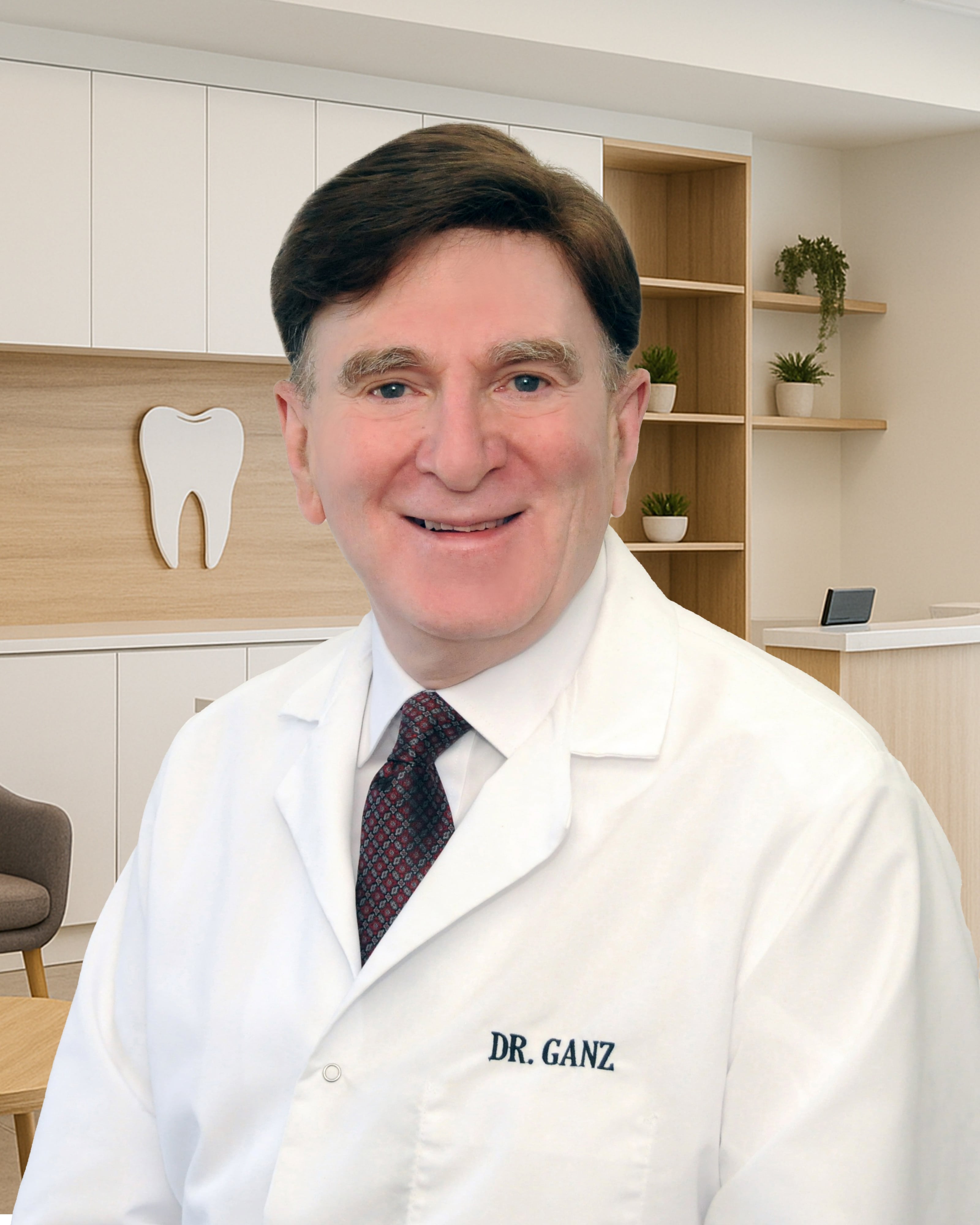
Article by
Cary Ganz DDS
Dr. Cary H. Ganz is a dentist, prosthodontist, entrepreneur, lecturer, and author with more than 50 years of experience in clinical dentistry and dental technology. Throughout his career, he has combined hands-on patient care with a deep understanding of how technology can improve dental practice operations, communication, documentation, and patient outcomes.
In addition to his clinical background, Dr. Ganz has held significant leadership roles in the dental technology industry, including Past Owner and Vice President of Clinical Affairs at DEXIS Digital Radiography and Past Vice President of Clinical Affairs at Denticon Practice Management Software. His business experience includes product development, clinical strategy, dental software innovation, practice management solutions, and educating dental professionals on the effective use of technology in modern dentistry.
Today, Dr. Ganz continues to focus on creating practical technology solutions for dental practices, including PractCom, a comprehensive dental practice communication platform designed to improve patient communication, documentation, compliance support, referrals, and overall practice efficiency. His work reflects a career-long commitment to helping dentists deliver better care while making their practices more organized, efficient, and protected.
No responses yet