
Your deep cleaning appointment is finished, but the clinical success of your treatment actually depends on what happens over the next 72 hours. It is completely normal to feel a sense of relief mixed with sudden anxiety about your recovery. You might be staring at your dinner plate wondering if a single bite will trigger a wave of sensitivity or disrupt the healing process. Mastering the proper aftercare for scaling and root planing is the only way to ensure those deep pockets actually close and your gums regain their firm, healthy attachment.
We understand that post-procedural sensitivity can feel like a setback, but it is a sign that your body is beginning to respond to the removal of deep-seated bacteria. This guide provides a structured recovery roadmap to help you manage discomfort, choose the right foods, and maintain hygiene without causing irritation. You will learn exactly how to minimize pain and when it is safe to return to your normal routine. By following these professional protocols, you can reduce your healing time and protect the significant investment you have made in your oral health.
Key Takeaways
- Understand why restricting physical activity and managing lingering anesthesia are vital for stabilizing your gums in the first 24 hours.
- Learn the most effective over-the-counter protocols for managing sensitivity and soreness during your aftercare for scaling and root planing.
- Identify which specific foods to prioritize, and which “sharp and sticky” snacks to avoid, to protect your healing tissue during the critical 48-hour window.
- Distinguish between normal post-procedural symptoms and red flags like persistent bleeding that require immediate clinical attention.
- Discover how standardized digital instructions bridge the gap between complex clinical procedures and your successful daily recovery at home.
Immediate Steps: The First 24 Hours of Recovery
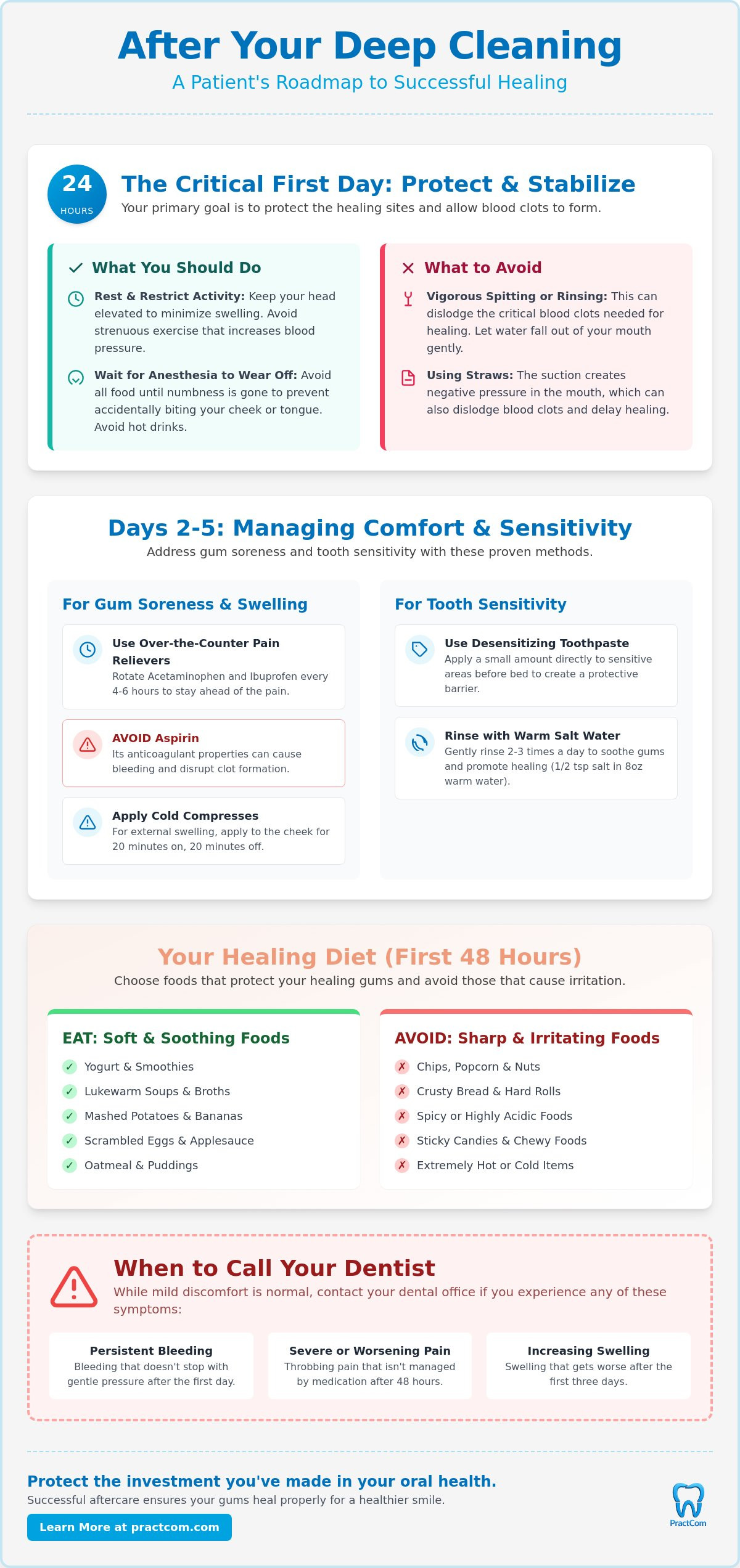
The first 24 hours are the most critical window for successful aftercare for scaling and root planing. During this period, your primary objective is to protect the newly cleaned root surfaces and allow the blood clots to stabilize within the gingival pockets. Any disruption now can lead to prolonged bleeding or delayed tissue reattachment. You should focus on two main pillars: protecting yourself while numb and managing your systemic blood flow through rest. This phase is less about active cleaning and more about clinical preservation.
Clot stability is essential for healing. Avoid vigorous spitting or using straws for at least 24 hours. These actions create negative pressure in the mouth that can dislodge the delicate clots forming in the deep pockets. If you need to rinse, use a gentle “lean and let it fall” method rather than forceful spitting. This simple mechanical precaution prevents the recurrence of bleeding and keeps the scaling and root planing site protected from external irritation.
Managing Post-Anesthesia Numbness
Local anesthesia typically remains effective for two to four hours after your appointment. During this time, your ability to sense temperature and pressure is significantly compromised. Avoid hot liquids like coffee or tea, as you won’t feel the burn until the damage is already done. Similarly, skip solid foods until the sensation returns to prevent accidental soft tissue trauma such as biting your cheek or tongue. You’ll know the anesthetic is wearing off when you feel a slight tingling sensation followed by the return of normal muscle control.
Activity Restrictions for Day One
Physical rest is a clinical requirement for the first day. Strenuous exercise increases your heart rate and blood pressure, which can cause the surgical sites to throb or start bleeding again. It’s best to keep your head elevated, even while resting on the couch, to minimize facial swelling. You can usually resume light daily routines after 24 hours, but listen to your body’s signals. If you feel a rhythmic thumping in your gums, it’s a sign that you need to return to a state of rest to support the healing process.
Managing Discomfort and Tooth Sensitivity
Discomfort after a deep cleaning is a sign that your body is initiating the inflammatory response necessary for healing. While the first 24 hours focused on stabilization, the following three to five days require a proactive approach to managing gum soreness and thermal sensitivity. Effective aftercare for scaling and root planing involves differentiating between soft tissue tenderness and the sharp “zing” of root sensitivity. Understanding these signals helps you apply the correct remedy at the right time.
Pain Management Protocols
Standard over-the-counter protocols are typically sufficient for managing periodontal discomfort. Most practitioners recommend a structured approach to medication to stay ahead of the pain curve rather than chasing it. Use these guidelines to manage your recovery:
- Acetaminophen or Ibuprofen: Rotate these medications every four to six hours to address inflammation at the source while dampening pain signals.
- Avoid Aspirin: Don’t use aspirin during this phase; its anticoagulant properties can cause the surgical sites to weep or bleed, potentially disturbing the clots you protected on day one.
- Cold Compresses: For external swelling, apply a cold compress to the cheek for 20 minutes on and 20 minutes off to provide significant relief.
These After Care Tips from the ADA highlight that while some swelling is normal, it should begin to subside within 48 hours. If throbbing persists beyond this window, it may indicate a need for clinical review.
Addressing Temperature Sensitivity
Tooth sensitivity is a distinct challenge that often surprises patients. During the procedure, the removal of calculus often exposes the cementum, the thin layer covering the tooth roots. This layer is much more porous than enamel, allowing hot and cold stimuli to reach the dental nerve more quickly. This sensitivity typically peaks within the first week and gradually fades as the gums tighten around the teeth.
To manage this, switch to a desensitizing toothpaste containing potassium nitrate. Don’t just brush with it; apply a small amount directly to the sensitive area before bed and leave it there. This creates a chemical barrier over the exposed tubules. Integrating warm salt water rinses into your aftercare for scaling and root planing is another essential, cost-effective tool. Dissolve half a teaspoon of salt in eight ounces of warm water and gently swish for 30 seconds. The saline solution draws out excess fluid from the swollen tissues through osmosis, providing immediate relief from that “tight” feeling.
If you find yourself forgetting these steps, many modern practices now offer automated digital aftercare reminders to keep your recovery on track. Consistent application of these protocols ensures that discomfort remains a minor inconvenience rather than a barrier to your long-term periodontal health.
Dietary Guidelines and Oral Hygiene Maintenance
Successful aftercare for scaling and root planing requires a shift from immediate clinical preservation to active home-care management. Once the initial 24-hour window has passed and your blood clots have stabilized, your focus must turn to providing the right nutrients for tissue repair while keeping the surgical sites clean. The goal is to prevent mechanical irritation of the gums and avoid introducing bacteria into the healing pockets. This phase typically lasts between three to seven days, depending on the depth of your initial periodontal pockets.
The Healing Diet: Safe Food Choices
Your dietary choices during the first 48 hours act as a form of biological protection. You should prioritize nutrient-dense, soft foods that require minimal chewing force. This reduces the risk of accidentally dislodging a clot or causing blunt force trauma to the tender gingival margins. Excellent choices include:
- Protein-Rich Bases: Scrambled eggs, Greek yogurt, and protein shakes (consumed without a straw).
- Soft Carbohydrates: Mashed potatoes, lukewarm oatmeal, and well-cooked pasta.
- Hydration: Room temperature water and electrolyte-balanced drinks that aren’t overly acidic.
Small, hard particles are the greatest threat to your recovery. Avoid foods with small seeds, such as poppy seeds or sesame seeds, as these can easily become trapped in the space between the tooth and the healing gum tissue. Similarly, “sharp” foods like popcorn, corn chips, and crusty bread can act like small blades against the sensitive tissue, potentially causing localized infections or delayed healing. Stick to a “no-crunch” rule until your follow-up appointment or until the tenderness has completely subsided.
Gentle Oral Hygiene Techniques
Maintaining a clean environment is essential, but you must modify your technique to account for the vulnerability of the tissue. A soft-bristled toothbrush is a mandatory requirement for aftercare for scaling and root planing. Use the Bass technique, which involves angling the bristles at 45 degrees toward the gum line and using small, circular motions. This effectively disrupts plaque biofilm without the abrasive force that can cause gum recession in its healing state.
Standardized hygiene protocols in 2026 have moved away from alcohol-based mouthwashes. Alcohol is a desiccant that can dry out the oral mucosa and sting the surgical sites, which slows down the epithelialization of the gums. Instead, continue with the warm salt water rinses mentioned previously or use a prescribed antimicrobial rinse if your dentist provided one. You can typically resume gentle flossing after 24 hours, but avoid “snapping” the floss into the gums. Instead, carefully slide it along the side of the tooth to remove debris without impacting the base of the pocket. This balanced approach ensures that you aren’t sacrificing cleanliness for comfort, or vice versa.
When to Call Your Dentist: Recognizing Complications
Most patients experience a linear recovery, but recognizing deviations from the standard healing timeline is a clinical necessity. While some oozing and tenderness are expected, certain symptoms indicate that your body needs professional intervention to stay on track. Vigilance during your aftercare for scaling and root planing ensures that minor physiological hurdles don’t escalate into long term periodontal setbacks. You should treat your recovery with the same technical precision as the procedure itself.
Persistent bleeding is the first red flag to monitor. While minor pink tint in your saliva is normal for the first 24 hours, active, bright red bleeding that continues after six hours requires attention. If firm pressure with a moistened gauze or a caffeinated tea bag does not stop the flow, you should contact your dental office immediately. Similarly, monitor your systemic response to any prescribed medications. Sudden onset of hives, skin rashes, or difficulty breathing indicates an allergic reaction and requires an immediate call to your provider or emergency services.
Warning Signs of Infection
Infection is rare following deep cleaning, yet it remains a possibility if bacteria are reintroduced to the healing pockets. You can identify a potential infection by looking for these specific clinical markers:
- Elevated Temperature: A fever exceeding 101 degrees Fahrenheit often signals that your body is fighting a localized infection.
- Increasing Pain: Discomfort that intensifies after the third day, rather than subsiding, is a sign that the healing process has stalled.
- Persistent Malodor: A foul taste or odor originating from the gum tissue that does not resolve with gentle salt water rinses.
- Extensive Swelling: Inflammation that spreads beyond the gum line and begins to affect the cheek, jaw, or area under the eye.
The Importance of the Follow-Up Visit
The re-evaluation appointment, typically scheduled four to six weeks after treatment, is the most critical component of aftercare for scaling and root planing. This is not a simple check-up; it is a data-driven assessment where your hygienist will measure your pocket depths again. These measurements provide the evidence needed to confirm that the gingival tissue has successfully reattached to the clean root surfaces.
During this visit, your clinical team will determine if you are ready to transition to a periodontal maintenance schedule. According to 2026 clinical standards, patients with a history of periodontitis typically require professional cleanings every three to four months rather than the standard six-month interval. This proactive frequency is designed to disrupt biofilm before it can cause further bone loss. Practices that utilize automated patient follow-up tools help ensure you remain compliant with these essential milestones, protecting both your health and your financial investment in your smile.
Standardizing Aftercare with Digital Instruction Libraries
Patients often exit the clinical environment in a state of cognitive fog. The combination of lingering local anesthesia and the inherent stress of a deep cleaning procedure means that verbal instructions are rarely retained with 100% accuracy. Transitioning the aftercare for scaling and root planing into a standardized digital format is not just a modern convenience; it’s a strategic necessity for ensuring patient compliance and clinical success. Digital delivery systems replace the unreliable nature of human memory with a permanent, accessible record that patients can reference the moment they feel a twinge of sensitivity or confusion.
This systematic approach to communication protects both the patient and the practice. When instructions are delivered via a standardized platform, the risk of omitting critical details like the “no-spit” rule or specific dietary restrictions is eliminated. This creates a high-utility environment where the patient feels secure and the practitioner is confident that all regulatory and clinical requirements for post-operative guidance have been met. It is about moving from a disorganized, verbal-only system to a controlled, professional ecosystem.
The Power of Multi-Language Communication
Clear communication is the primary tool for reducing high-stress, after-hours emergency calls. When a patient doesn’t understand the difference between normal oozing and active bleeding, they panic. In 2026, roughly 15% of US households speak a language other than English at home. Providing complex medical instructions exclusively in English creates an unnecessary risk for complications. By offering documentation in 15 different languages, a practice ensures that every patient understands the nuance of their recovery. This level of clarity standardizes the patient experience and acts as a defensive shield against liability claims resulting from misunderstood protocols.
Leveraging PractCom for Seamless Aftercare
PractCom provides a comprehensive ecosystem designed to eliminate operational friction and improve patient outcomes. You can access a robust Post-Treatment Instruction Library specifically for SRP, ensuring that your patients receive the exact guidance outlined in this recovery guide. Delivering these instructions via SMS or Email allows for instant access on the patient’s device, exactly when they need it most, such as during their first meal post-treatment.
Integrating these instructions with Digital Informed Consent Forms creates a seamless, legally sound workflow. This systematic approach reduces the volume of routine phone calls to the front desk, allowing your team to focus on clinical care rather than repeating basic hygiene instructions over the phone. By automating the follow-up process, you ensure that every patient feels supported throughout their aftercare for scaling and root planing, leading to faster healing and higher clinical success rates.
Securing Long-Term Periodontal Health
Successful recovery depends on your commitment to the first 72 hours of care. By prioritizing clot stability, managing sensitivity with desensitizing agents, and strictly adhering to dietary restrictions, you transform a clinical procedure into a lasting health victory. Proper aftercare for scaling and root planing is the essential bridge between active disease and a stable, healthy smile. It requires a transition from immediate protection to a structured, long-term maintenance routine that prevents the recurrence of infection.
Modern dental practices are moving away from the limitations of paper instructions and verbal reminders. You can now standardize your patient experience using a platform that offers over 80 post-treatment templates delivered in 15 different languages. These automated follow-ups reduce clinical friction and ensure that no patient feels lost during their recovery journey. This systematic approach provides the regulatory reassurance you need while protecting your practice from avoidable complications. It replaces operational disorganization with the confidence of a professional, high-utility system.
Start your free trial of PractCom’s instruction library to provide the psychological security and technical precision your patients deserve. Your journey to a healthier smile is well underway, and with the right systems in place, your recovery can be as efficient and predictable as the treatment itself.
Frequently Asked Questions
How long does it take for gums to heal after scaling and root planing?
Initial healing takes 5 to 7 days for the soreness to subside, though the deeper biological reattachment of the gums takes 4 to 6 weeks. You should see a reduction in swelling and redness within the first week. This timeline is the standard for aftercare for scaling and root planing, provided you follow all dietary and hygiene protocols to prevent irritation of the surgical sites.
Can I smoke after having a deep cleaning procedure?
You must avoid smoking for at least 72 hours following your procedure. Smoking introduces toxins that restrict blood flow to the gingival tissues, which significantly delays the healing process and increases the risk of infection. For the best long term results, wait until your gums have fully stabilized before resuming any tobacco use, as nicotine can prevent the necessary reattachment of the gum tissue to the tooth roots.
Is it normal for my teeth to feel loose after root planing?
It is common for teeth to feel slightly loose after a deep cleaning. This sensation occurs because the hard calculus that was previously “splinting” the teeth together has been removed. As the inflammation subsides and the gum tissue begins to tighten around the clean root surfaces, this mobility typically decreases. This is a normal part of the healing phase and usually resolves within a few weeks.
When can I start eating normal foods again?
You can typically resume a normal diet after 48 to 72 hours, once the initial sensitivity has decreased. However, you should continue to avoid “sharp” or “sticky” foods like popcorn, chips, or gummy candies until your follow-up appointment. These items can easily become lodged in the healing pockets. Gradual reintroduction of firmer foods ensures you don’t accidentally traumatize the delicate gingival margins during your aftercare for scaling and root planing.
What should I do if my gums are still bleeding the next day?
Minor pink oozing is normal, but active bleeding the next day requires immediate attention. Start by applying firm, continuous pressure to the area with a moistened gauze pad or a caffeinated tea bag for 20 minutes without lifting it. The tannins in the tea help constrict blood vessels. If the bleeding remains heavy or doesn’t stop after two attempts, contact your dental office immediately for a clinical evaluation.
How often do I need to get scaling and root planing done?
Scaling and root planing is generally a one-time therapeutic treatment rather than a recurring cleaning. Once the initial infection is cleared, you will transition to a periodontal maintenance schedule. This typically involves professional cleanings every three to four months. This increased frequency is necessary to disrupt bacteria before they can re-establish deep pockets and cause further bone loss or tissue damage.
Can I brush my teeth the same night after the treatment?
You should brush your teeth the same night as your treatment, but you must be extremely gentle. Use a soft-bristled toothbrush and light, circular motions to clean the teeth while avoiding the gum line if it is too tender. Maintaining a clean environment is essential for preventing infection. However, skip flossing for the first 24 hours in the treated areas to avoid disturbing the blood clots that are vital for healing.
Why do my gums look more recessed after the cleaning?
Your gums may appear more recessed because the treatment has successfully reduced inflammation. Before the procedure, your gums were likely swollen and puffy due to infection. As the tissues heal and become firmer, they shrink and fit more tightly against the teeth. While this may reveal more of the tooth surface, it is actually a sign that the infection is resolving and your periodontal health is improving.

Article by
Cary Ganz DDS
Dr. Cary H. Ganz is a dentist, prosthodontist, entrepreneur, lecturer, and author with more than 50 years of experience in clinical dentistry and dental technology. Throughout his career, he has combined hands-on patient care with a deep understanding of how technology can improve dental practice operations, communication, documentation, and patient outcomes.
In addition to his clinical background, Dr. Ganz has held significant leadership roles in the dental technology industry, including Past Owner and Vice President of Clinical Affairs at DEXIS Digital Radiography and Past Vice President of Clinical Affairs at Denticon Practice Management Software. His business experience includes product development, clinical strategy, dental software innovation, practice management solutions, and educating dental professionals on the effective use of technology in modern dentistry.
Today, Dr. Ganz continues to focus on creating practical technology solutions for dental practices, including PractCom, a comprehensive dental practice communication platform designed to improve patient communication, documentation, compliance support, referrals, and overall practice efficiency. His work reflects a career-long commitment to helping dentists deliver better care while making their practices more organized, efficient, and protected.
No responses yet