
Imagine sitting down for a meal and realizing that the simple act of chewing suddenly feels like a complex, foreign chore. For many, the first 24 hours with a prosthetic can feel more like a hurdle than a solution. It’s completely normal to feel overwhelmed by initial mouth soreness or the anxiety of speaking clearly in front of others. Providing clear, actionable instructions for patients with new dentures is the first step in transforming this period of uncertainty into a successful clinical outcome.
We understand that the transition to a new smile is a psychological journey as much as a physical one. You’ve made a significant investment in your oral health; now, you need a reliable system to ensure that investment lasts. This 2026 adaptation guide offers a step-by-step roadmap to help you navigate the first 30 days of wear with confidence. We’ll cover everything from managing “sore spots” and mastering difficult speech patterns to establishing a maintenance routine that prevents costly replacements. By the end of this guide, you’ll have the tools to achieve pain-free wear and restored function through a structured, professional approach.
Key Takeaways
- Navigate the 30-day adaptation timeline with a structured roadmap designed to build muscle memory for natural speech and eating patterns.
- Manage the initial 24-hour transition by setting realistic expectations for hyper-salivation and the physiological sensation of a foreign object.
- Follow standardized instructions for patients with new dentures that emphasize non-abrasive cleaning protocols and the “Sink Safety” rule to protect your investment.
- Learn to identify specific “sore spots” that require professional clinical intervention versus the standard settling process to ensure a pain-free fit.
- Discover how digital delivery and multi-language support improve compliance by providing clear, accessible guidance throughout the recovery period.
The First 24 Hours: Managing the Immediate Transition
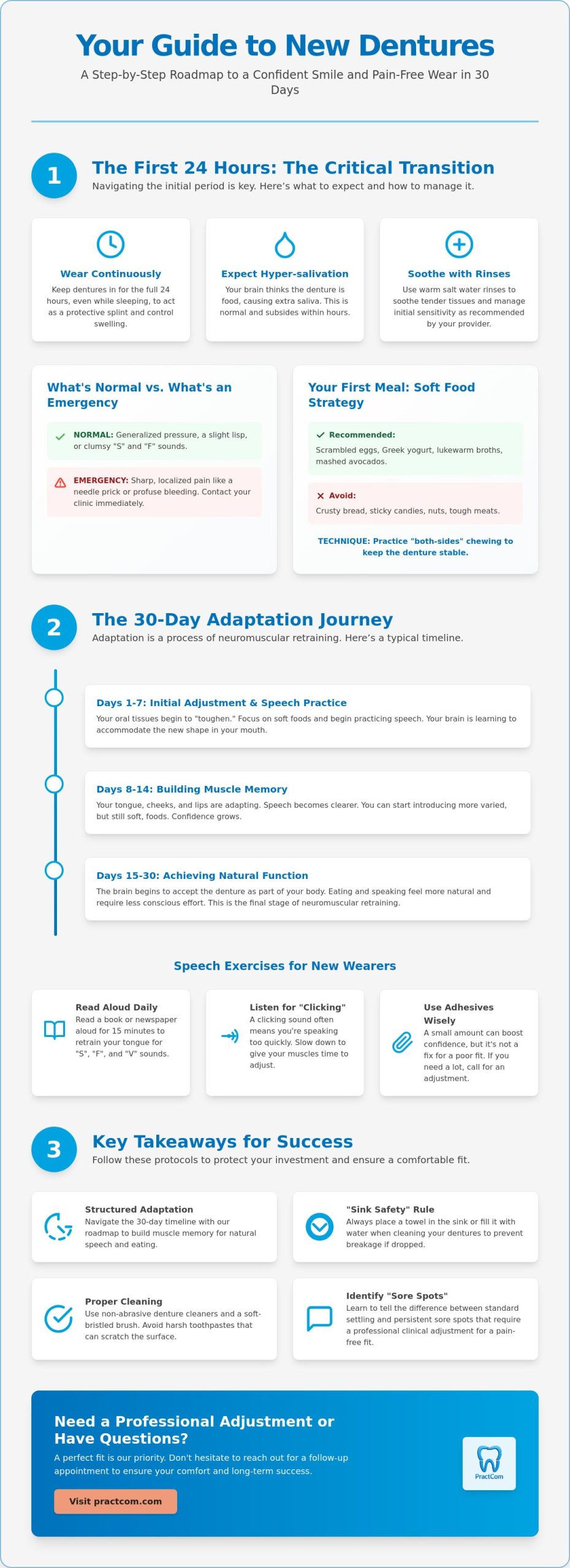
The moment you receive your prosthesis, your brain will likely identify it as a foreign object. This sensation is expected. Your mouth is one of the most sensitive areas of your body, and even a perfectly fitted appliance feels bulky at first. To help you succeed, these instructions for patients with new dentures focus on the critical first window of recovery. You might notice an immediate surge in saliva. This is called hyper-salivation. It happens because your brain perceives the new material as food and signals the salivary glands to begin digestion. This usually subsides within a few hours as your oral cavity adjusts.
Most clinicians require you to keep your dentures in place for the full first 24 hours, even while sleeping. This protocol is essential because the denture acts as a protective splint. It controls swelling and helps your gums transition to their new shape. Removing them too early can allow tissues to swell, making it difficult or impossible to reinsert the appliance the next day. For initial sensitivity, follow your provider’s recommended over-the-counter pain management schedule. Warm salt water rinses can also soothe tender tissues. You can also learn about dentures and how they interface with oral tissues to better understand this healing phase.
What is Normal vs. What is an Emergency
Distinguishing between the standard “breaking-in” period and a clinical issue is vital for your peace of mind. It takes time. It’s normal to experience a slight lisp or find that “S” and “F” sounds feel clumsy. You might also feel generalized pressure across the ridge of your gums. However, if you experience profuse bleeding or sharp, localized pain that feels like a needle prick, contact your clinic immediately. Normal adaptation involves manageable pressure and sensory changes, while a clinical complication presents as persistent bleeding or sharp, localized tissue trauma.
The First Meal: Soft Food Strategies
Eating is a learned skill with a new prosthesis. To maintain stability, you must practice “both-sides” chewing. Placing food on both the left and right sides of your mouth simultaneously prevents the denture from tipping or breaking its seal. For the first 48 hours, stick to a nutrient-dense, soft-food diet. This reduces the mechanical stress on your healing gums. Following clear instructions for patients with new dentures regarding diet can prevent early “sore spots” from forming.
- Recommended: Scrambled eggs, Greek yogurt, lukewarm broths, and mashed avocados.
- Avoid: Crusty bread, sticky candies, nuts, or any meat that requires heavy tearing.
The 30-Day Learning Curve: Speech and Eating Mastery
Adaptation isn’t immediate. It’s a 30-day process of neuromuscular retraining. Your tongue, cheeks, and lips must learn to accommodate the new volume and shape of the prosthesis. During the first two weeks, your tissues will begin to “toughen” as they adjust to the constant contact. Following standardized instructions for patients with new dentures provides a structured approach to this window, ensuring you don’t feel discouraged when progress seems slow. Your brain needs time to stop treating the appliance as a foreign object and start treating it as a functional part of your body.
Speech Exercises for New Wearers
Phonetics often change because the denture base alters the space available for your tongue. Complex sounds like “S”, “F”, and “V” require precise contact between the tongue and the palate or teeth. Use the “Read Aloud” technique daily. Pick up a newspaper or book and read for 15 minutes while standing in front of a mirror. This allows you to observe your mouth movements and correct them in real time. If you hear a “clicking” sound, slow down your speech. This sound usually means your dentures are lifting slightly because you’re speaking too quickly for your current muscle control.
Adhesives can be a valuable tool during this transition, though they shouldn’t be used to fix a poorly fitting appliance. They provide an extra layer of security that builds your confidence while your muscles are still learning to stabilize the plate. According to ADA denture care guidelines, a small amount of adhesive is sufficient for most patients. If you find yourself needing excessive amounts, it’s time for a clinical adjustment. Practices that deliver these educational resources through a digital patient portal help patients feel supported without requiring extra chair time.
Chewing Mechanics and Bite Alignment
By week three, you can begin transitioning from soft foods to more regular textures like cooked meats and soft breads. Your cheeks and tongue now play a more active role in holding the lower denture in place. The psychological shift from “biting” to “chewing” is the most significant hurdle. You can no longer pull food away from your mouth with your front teeth as you did with natural teeth. Instead, use your side teeth for all cutting and grinding. This vertical chewing motion keeps the pressure balanced and prevents the seal from breaking. Consistent adherence to instructions for patients with new dentures during this phase ensures your bite remains aligned and your gums remain healthy.
Daily Hygiene and Long-Term Maintenance Protocols
Maintaining your prosthesis is not just about aesthetics; it’s a fundamental requirement for preventing oral infections. One of the most critical instructions for patients with new dentures is the “Sink Safety” rule. Always clean your appliance over a sink filled with water or a folded towel. This simple precaution provides a mechanical cushion if the device slips. Acrylic is brittle; a drop of just a few inches onto a ceramic surface can cause a fracture that requires an expensive professional repair. By establishing this habit early, you protect your investment from accidental impact damage.
You must also avoid standard toothpaste. While it works for natural enamel, it is far too abrasive for dental acrylic. Toothpaste creates microscopic scratches on the surface of the denture. These grooves become breeding grounds for plaque and food particles, leading to persistent odors and staining. Instead, use a non-abrasive denture cleanser or a mild dish soap to preserve the smooth finish of the material. Moisture is the final pillar of maintenance. Your dentures are designed to function in a moist environment. If they dry out, the acrylic can warp, causing a loss of fit that necessitates a reline. When they aren’t in your mouth, they should be submerged in a dedicated soaking solution or plain water. Following these patient instructions for new dentures helps maintain the structural integrity of the appliance for years.
The Nightly Cleaning Routine
Remove your dentures every night to give your gum tissues a necessary rest. Use a soft-bristle brush specifically designed for prosthetics to gently scrub all surfaces. Pay close attention to the area that contacts your gums, as this is where adhesives and bacteria accumulate. After brushing, place them in an alkaline peroxide solution to effectively eliminate odor-causing bacteria. Always rinse the appliance thoroughly under lukewarm water before reinserting it to avoid chemical irritation of your oral mucosa.
Protecting the Appliance from Damage
Never use boiling or very hot water to clean your dentures. High temperatures can permanently distort the shape of the acrylic base. Additionally, store your case in a secure location. Pets are often attracted to the scent of saliva on the appliance and can easily chew through the material. Poor hygiene doesn’t just damage the denture; it can lead to “denture stomatitis,” a painful yeast infection of the gums. Clear instructions for patients with new dentures emphasize that a clean mouth is just as important as a clean prosthesis. Brush your gums, tongue, and the roof of your mouth with a soft toothbrush daily to stimulate circulation and remove plaque.
When to Call Your Dentist: Recognizing Necessary Adjustments
Distinguishing between the standard adaptation phase and a mechanical fit issue is a critical skill for every wearer. While the first 30 days involve a learning curve, persistent pain should never be ignored. In many cases, instructions for patients with new dentures emphasize that minor pressure is normal, but “sore spots”—small, painful ulcers—require professional intervention. Your dentist performs precise clinical trimming to relieve these pressure points without compromising the overall stability of the plate. This ensures you avoid the cycle of chronic inflammation that can damage your gums.
Never attempt to repair or file your dentures at home. DIY kits and sandpaper permanently ruin the alignment of the teeth and cause the acrylic to become porous. This creates a trap for bacteria and eventually requires a full replacement. Trust the technical precision of your dental professional for any modifications; to see how a professional team handles these complex adjustments, you can check out Crystal Bright Smile. Additionally, your 6-month check-up is essential for monitoring bone health. Even if your dentures feel fine, your dentist must evaluate the underlying tissue to ensure the prosthesis isn’t causing accelerated bone loss. Following these instructions for patients with new dentures helps you catch small issues before they become expensive failures.
Signs of Professional Adjustment Needs
You should schedule an appointment if you notice specific red flags. Persistent sores that don’t heal within seven days are a sign of a chronic pressure point. If your dentures frequently drop or loosen during normal conversation, the suction or clasp tension needs recalibration. Finally, visible cracks or chips in the base require immediate attention to prevent a total fracture. These issues don’t resolve on their own and only worsen with continued use.
Understanding Relining and Rebasing
Your jawbone is a living tissue that changes over time through a process called bone resorption. This occurs because the bone no longer receives the stimulation of natural tooth roots. As the ridge shrinks, a gap forms between your gums and the denture base. A “soft reline” uses a flexible material for immediate comfort, while a “hard reline” provides a long-term solution by adding new acrylic to the existing base. Verified data shows that most patients require a reline every 1 to 2 years to maintain a secure fit. Standardizing your follow-up care through a professional patient communication platform ensures these adjustments happen on schedule, protecting your oral health and your financial investment.
Standardizing Aftercare: Digital Delivery and Multi-Language Support
The traditional reliance on paper handouts is a significant point of operational resistance in the modern dental practice. These documents are frequently misplaced or discarded before the patient even reaches their vehicle; this leaves them without a roadmap during the critical first week of wear. Digitizing instructions for patients with new dentures solves this issue by placing essential care protocols directly onto the patient’s smartphone. This ensures the information is retrievable at the exact moment a question arises, which reduces the volume of non-clinical phone calls that disrupt your front-office workflow. It moves the practice from a state of reactive troubleshooting to proactive patient management.
Bridging the communication gap is also a matter of clinical safety and regulatory reassurance. By offering guidance in 15 different languages via email and text, practices can provide equitable care to a diverse patient base. This level of systematic oversight minimizes the risk of treatment failure caused by simple misunderstandings. It transforms the aftercare process from a passive suggestion into a professional necessity. When patients receive clear, accessible information in their native tongue, their anxiety levels drop, and their confidence in the clinical outcome increases. This standardized approach acts as a stabilizing force in the high-pressure environment of a new prosthetic delivery.
The Power of Automated Patient Follow-ups
Automation acts as a pre-emptive strike against administrative failures. By linking instructions to specific treatment milestones, you can ensure that a “Day 3” check-in arrives exactly when the patient is likely to experience their first “sore spot.” This constant support reduces “buyer’s remorse” by validating the patient’s experience in real time. PractCom simplifies this process by providing a workflow for automated dental post-op instructions. This system ensures that no patient is left to navigate the 30-day learning curve in isolation, which ultimately protects the reputation of the clinic.
Legal Compliance and Documentation
Maintaining a rigorous record of patient education is an ethical and legal requirement. Using digital dental informed consent forms allows you to set clear expectations regarding the adaptation period before the procedure even begins. Once the dentures are delivered, integrating instructions for patients with new dentures into the PractCom patient portal provides a permanent, time-stamped record of receipt. This level of documentation alleviates the anxiety of practitioners regarding compliance and risk management. It creates a comprehensive ecosystem where every part of the professional communication process is tracked, verified, and accessible 24/7.
Securing Long-Term Success with Modern Adaptation Strategies
The journey to a restored smile is a structured process that depends on more than just a clinical fit. It requires a firm commitment to the 30-day adaptation timeline and a rigorous approach to daily hygiene protocols. By understanding the critical distinction between normal settling pressure and adjustments that require professional intervention, you ensure your appliance remains functional for years. However, the ultimate success of these instructions for patients with new dentures depends on how they’re delivered. Standardizing this communication through digital channels removes the friction of manual follow-ups and provides the psychological security patients need during their recovery.
You can transform your practice’s aftercare workflow by leveraging a library of over 80 post-treatment templates. With automated SMS and email delivery available in 15 languages, you ensure every patient receives the professional guidance they deserve without increasing your administrative burden. Streamline your patient instructions with PractCom and start your free trial today. Your new smile is within reach. With the right tools and a systematic approach, your transition will be a confident and seamless experience.
Frequently Asked Questions
How long does it take to get used to new dentures?
It typically takes about 30 days to fully adapt to your new prosthesis. During this first month, your mouth goes through a physiological transition where your tongue and cheeks learn to work around the appliance. Most patients report feeling significantly more comfortable by the end of the fourth week as their muscle memory takes over and tissues toughen.
Can I sleep with my dentures in?
You should remove your dentures every night before sleep, except for the initial 24-hour period specifically directed by your dentist. Your gum tissues require this rest period to maintain healthy circulation and prevent fungal infections. Storing them in water or a soaking solution overnight also prevents the acrylic from warping or drying out.
Why do my new dentures make me gag?
Gagging is a common reflex as your brain identifies the new plate as a foreign object near the soft palate. This sensation usually subsides as you follow the instructions for patients with new dentures and practice deep breathing through your nose. If the sensation persists beyond the first week, your dentist may need to trim the posterior border of the upper plate.
What is the best way to clean my dentures daily?
The most effective cleaning method involves daily brushing with a soft-bristle brush and a non-abrasive cleanser or mild dish soap. You must avoid standard toothpaste because it creates microscopic scratches that harbor bacteria and odors. Always rinse the appliance thoroughly after cleaning and soak it in a dedicated solution to maintain its shape and hygiene.
Do I still need to see a dentist if I have no natural teeth?
Yes, regular dental visits remain essential even if you have no natural teeth. Your clinician needs to perform oral cancer screenings and monitor the health of your jawbone and soft tissues. These professional evaluations allow for timely relines or adjustments as your ridge changes, ensuring your prosthesis remains stable and functional over the long term.
How do I stop my dentures from clicking when I talk?
To stop clicking, practice speaking more slowly and deliberately to improve your muscle coordination. This sound often occurs when the upper and lower plates tap together because you’re moving your jaw faster than your current control allows. Reading aloud in front of a mirror helps you refine these movements and prevents the plates from lifting during conversation.
When can I start eating hard foods again?
You can typically begin introducing harder foods after about three to four weeks of consistent wear. Start with small, bite-sized pieces and always chew on both sides of your mouth simultaneously to maintain balance. Rushing into tough textures like steak or nuts too early can cause painful sore spots or break the suction seal of the appliance.
What should I do if my dentures break?
If your appliance breaks, contact your dental office immediately for a professional repair. You should never attempt to use superglue or home repair kits, as these can contain toxic chemicals and permanently ruin the alignment of the base. Following professional instructions for patients with new dentures means trusting your clinician’s technical precision to restore the device safely and accurately.
Article by
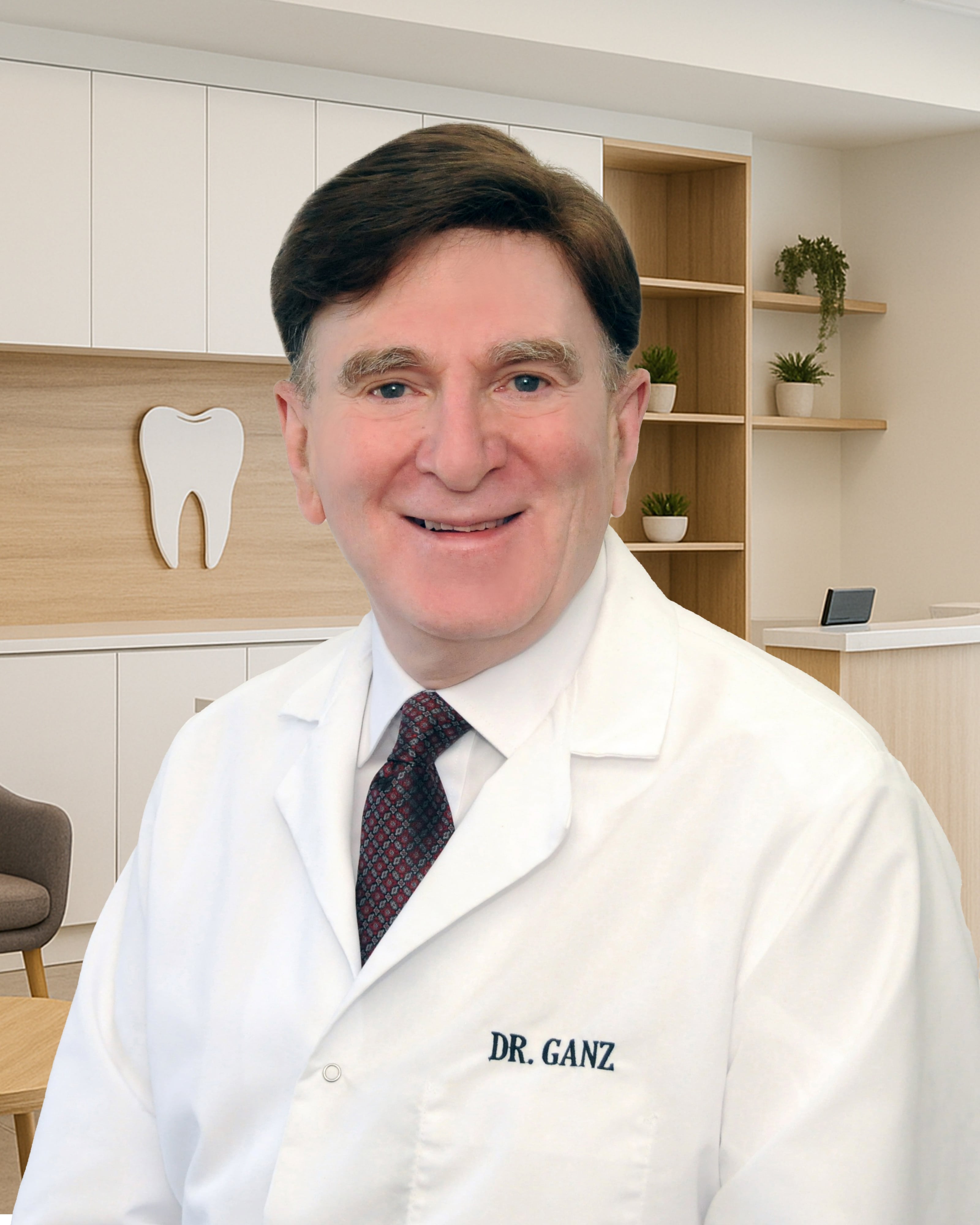
Cary Ganz DDS
Dr. Cary H. Ganz is a dentist, prosthodontist, entrepreneur, lecturer, and author with more than 50 years of experience in clinical dentistry and dental technology. Throughout his career, he has combined hands-on patient care with a deep understanding of how technology can improve dental practice operations, communication, documentation, and patient outcomes.
In addition to his clinical background, Dr. Ganz has held significant leadership roles in the dental technology industry, including Past Owner and Vice President of Clinical Affairs at DEXIS Digital Radiography and Past Vice President of Clinical Affairs at Denticon Practice Management Software. His business experience includes product development, clinical strategy, dental software innovation, practice management solutions, and educating dental professionals on the effective use of technology in modern dentistry.
Today, Dr. Ganz continues to focus on creating practical technology solutions for dental practices, including PractCom, a comprehensive dental practice communication platform designed to improve patient communication, documentation, compliance support, referrals, and overall practice efficiency. His work reflects a career-long commitment to helping dentists deliver better care while making their practices more organized, efficient, and protected.
No responses yet