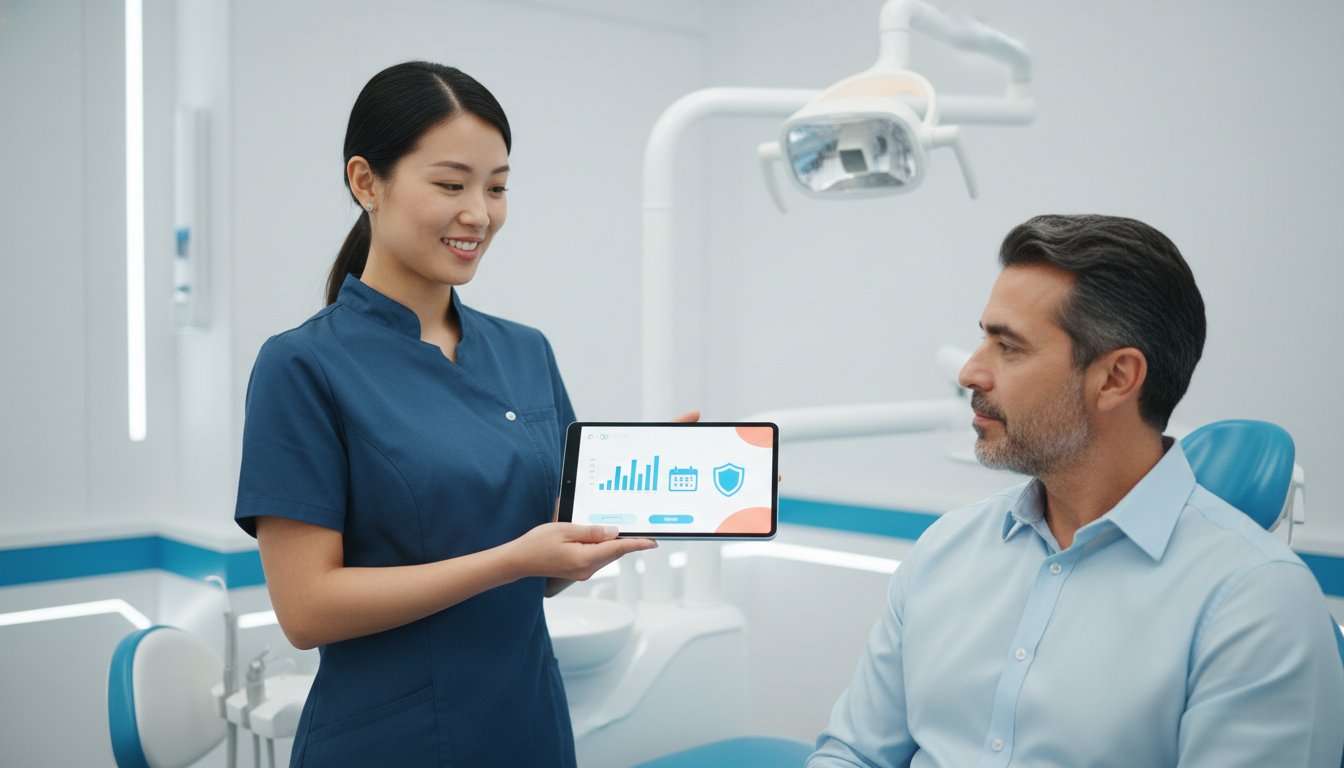
Will your practice survive the 2026 regulatory shift that makes multi-factor authentication and mandatory encryption for all ePHI the new baseline? You likely already feel the strain of manual data entry errors and the constant buzz of post-op phone calls that pull your staff away from high-value tasks. It’s frustrating to watch patient compliance slip because aftercare instructions were lost or misunderstood. Understanding the specific dental patient portal benefits for 2026 is no longer just about convenience; it’s about clinical survival and professional liability protection.
We agree that your time is better spent on patient care than on chasing down signed consent forms or managing breach notification logs. This guide reveals how a dedicated portal transforms your communication workflow, reduces administrative friction, and strengthens your legal standing. You’ll discover how to leverage automated follow-ups and standardized digital documentation to build higher patient trust while meeting the February 16, 2026, deadline for updated privacy practices. We will examine the transition from manual resistance to a system where clinical communication and operational efficiency work in total lockstep.
Key Takeaways
- Standardize your clinical documentation using digital informed consent forms to mitigate liability and ensure compliance with 2026 regulatory standards.
- Maximize your dental patient portal benefits by replacing manual data entry with automated follow-up workflows that eliminate administrative friction.
- Enhance patient trust and psychological security by providing 24/7 access to health records and aftercare instructions in 15 different languages.
- Reduce the high volume of post-op phone calls by utilizing a clinical library of over 80 post-treatment templates to improve patient compliance.
- Transition from operational disorganization to a systematic control hub that protects your reputation without adding to your staff’s daily workload.
What is a Dental Patient Portal in 2026?
A dental patient portal in 2026 is no longer just a digital window into a database; it’s a secure, HIPAA-compliant communication ecosystem that acts as a stabilizing force in your practice. Unlike a standard practice website, which serves as a digital brochure, a portal is a clinical necessity. It bridges the gap between the chairside treatment and the patient’s home care. When exploring What is a Patient Portal?, we must view it as a proactive engagement hub. It automates the delivery of treatment instructions and secures electronic Protected Health Information (ePHI) in transit. This shift moves your practice from a reactive stance to a model of systematic control. One of the primary dental patient portal benefits is the transition from manual data entry to a standardized system that reduces the risk of human memory failure.
The Evolution of Digital Patient Access
The landscape of patient access has evolved from simple appointment viewing to comprehensive treatment lifecycle management. In 2026, mobile-first, text-enabled notifications are the baseline requirement for modern clinical environments. Patients now demand immediate, secure access to their clinical data via their smartphones. Relying on paper-based systems or manual handouts has become a significant liability. By February 16, 2026, all practices must update their Notice of Privacy Practices to align with new confidentiality standards. A digital portal ensures these regulatory updates are managed automatically. Furthermore, with encryption now mandatory for all data at rest and in transit, a portal provides the psychological security that your practice is protected against breaches and OCR audits. Standardizing your documentation through a portal removes the anxiety of potential non-compliance.
Portal vs. Practice Management Software (PMS)
It’s vital to understand that a portal is a specialized communication layer, not a replacement for your Practice Management Software (PMS). While your PMS handles the logistical heavy lifting of billing and scheduling, a dedicated communication suite like PractCom manages the nuances of patient interaction. This distinction is crucial for maximizing dental patient portal benefits. A communication-focused platform provides deep-dive resources, such as a library of 80+ post-treatment templates and support for 15 languages, that standard PMS modules often lack. By layering a specialized portal over your existing core software, you enhance your clinical workflows without the disruption of a full system overhaul. This approach allows you to maintain your established administrative routines while adding a protective layer of standardized clinical documentation and automated patient follow-ups.
Clinical Dental Patient Portal Benefits: Reducing Liability and Improving Outcomes
Clinical success depends heavily on what happens after your patient leaves the operatory. Verbal instructions are often forgotten the moment the local anesthetic wears off, leaving patients confused and anxious. This is where dental patient portal benefits become a clinical shield for your practice. By centralizing your post-treatment guidance in a digital environment, you ensure every patient receives the exact same standard of care. This systematic control removes the variability of human memory and protects your reputation from the fallout of misunderstood aftercare.
A dedicated portal functions as a high-utility clinical ally. It doesn’t just store data; it actively facilitates better health outcomes by providing 24/7 access to vital information. Research into the clinical benefits of patient portals confirms that increased engagement leads to higher treatment compliance. When you provide a structured path for recovery, you move from the chaos of manual follow-ups to the confidence of a standardized clinical workflow.
Standardizing Post-Treatment Instructions
Standardizing your communications through automated dental post-op instructions removes the friction of chairside delivery. It provides psychological security for the patient, who can revisit their specific care plan at any time. This consistency is vital for clinical success rates. For example, a patient who clearly understands how to manage a blood clot after an extraction is far less likely to experience a dry socket. By utilizing a library of over 80 post-treatment templates, you eliminate the “human error” factor. Your staff no longer has to worry if they remembered to mention every detail; the system handles the heavy lifting, ensuring the patient is never left in the dark.
Digital Informed Consent and Risk Management
Risk management in 2026 requires more than just a signature on a piece of paper. Transitioning to digital dental informed consent forms makes your practice significantly more defensible. Paper forms are easily lost, misfiled, or damaged; digital versions are timestamped, encrypted, and archived. You can track exactly when a patient opened their instructions, providing a clear audit trail that is essential during regulatory audits. This level of oversight is particularly important given the 2026 HIPAA Security Rule updates, which mandate encryption for all ePHI in transit. A portal proves you fulfilled your ethical duty to inform while maintaining the strict confidentiality standards required for modern dental patient portal benefits. If you’re ready to see how a standardized system can safeguard your practice, you can explore our clinical communication tools to begin your transition toward a more secure environment.

Elevating the Patient Experience Through Digital Convenience
Psychological security is the foundation of a modern dental practice. Patients often leave the chair in a daze, still processing the clinical details of their procedure while the anesthetic is active. Providing 24/7 access to their records through a dedicated portal offers the reassurance they need once they return home. It transforms the dental patient experience from a one-way lecture into a continuous, supportive dialogue. One of the most engaging dental patient portal benefits is the inclusion of tools like Smile Design. By showing before and after cosmetic changes digitally, you build immediate excitement and increase case acceptance through visual proof of the transformation.
Breaking Language Barriers in Clinical Care
Effective communication is a clinical necessity, not an optional luxury. In a diverse market, providing instructions in only one language creates a significant barrier to care. A primary advantage of a modern portal is the ability to deliver all documents, emails, and texts in 15 different languages. This capability improves health literacy and ensures that non-English speaking patients fully understand their treatment plans and consent requirements. By delivering native-language instructions, you achieve several critical outcomes:
- Improved Accuracy: You eliminate the risk of clinical errors caused by miscommunication or informal translation.
- Reduced Friction: Your staff spends less time coordinating with translators or struggling to explain complex procedures.
- Higher Compliance: Patients are more likely to follow aftercare steps when they can read them clearly in their primary language.
This systematic approach to language support demonstrates a high level of empathy and professional oversight. It positions your practice as an inclusive environment that prioritizes patient understanding above administrative convenience.
24/7 Access to Treatment History and Aftercare
Patients increasingly value transparency and autonomy in their healthcare journey. Recent data on patient perspectives on dental portals indicates a strong desire for direct access to records and the ability to share information with other providers. A mobile-friendly portal allows patients to review their tooth loss charts or specific aftercare steps on their own time. This empowerment encourages them to take ownership of their oral health benchmarks rather than remaining passive recipients of care.
When patients can access their treatment history without calling the front desk, they feel more in control. This accessibility is particularly useful when they are no longer numb and need to remember specific dietary restrictions or medication schedules. By providing these resources digitally, you reduce the volume of repetitive phone calls to your office. You move from a model of operational disorganization to one of systematic control, where the patient has the tools they need to succeed at their fingertips. This 24/7 availability builds a bridge of trust that extends far beyond the time spent in the dental chair.
Overcoming Operational Resistance: Implementation and Security
The most common objection to adopting new technology is the fear that your staff simply won’t have time to manage another tool. In a high-pressure clinical environment, every minute counts. However, when you analyze the true dental patient portal benefits, you find that a well-implemented system actually reclaims time rather than consuming it. By automating the heavy lifting of follow-ups and referral management, you eliminate the repetitive manual tasks that lead to staff burnout. The goal is to move from operational disorganization to a state of systematic control where technology acts as a silent administrative partner.
Choosing the right platform requires a framework that prioritizes ease of use and clinical safety. You need a system that integrates seamlessly into your existing routines without requiring a total overhaul of your current workflows. A dedicated communication hub provides the psychological security that your practice is protected from the limitations of human memory. It ensures that no patient falls through the cracks, regardless of how busy the front desk becomes during peak hours.
Ensuring HIPAA Compliance and Data Security
Security is not an area where you can afford to compromise. There is a massive difference between secure portals and standard email or texting, which often lack the end-to-end protection required for sensitive health data. Following a secure dental messaging protocol is essential for maintaining patient trust and regulatory standing. With the 2026 updates making encryption mandatory for all ePHI, both at rest and in transit, professional-grade security is a business requirement. When technical issues like an “error code -1” occur, a professional vendor handles the resolution, giving you the peace of mind that your data remains shielded. This level of oversight protects your reputation and ensures you meet the strict confidentiality standards for substance use disorder records and other sensitive information.
Staff Training and Workflow Integration
A successful rollout doesn’t have to disrupt your daily operations. You can transition from paper-heavy workflows to digital systems by introducing features in stages. Start by using a practice performance dashboard to track adoption and visualize your ROI. This data-driven approach allows you to see exactly how much time is being saved on phone calls and manual data entry. As your team sees the reduction in administrative friction, their resistance naturally fades. You aren’t just adding a tool; you’re upgrading your entire ecosystem to be more resilient and efficient. If you want to see how these systems can stabilize your practice, you can request a demonstration of our communication platform to evaluate the impact on your specific workflow.
Why PractCom is the Logical Conclusion for Modern Practices
PractCom functions as more than just a software tool; it is your essential clinical communication ally. While generic portals often lack the depth required for specialized dental workflows, PractCom was designed by dental professionals who understand the physical and logistical realities of the operatory. It provides a stabilizing force in high-pressure settings by moving your practice from the resistance of manual tasks to the confidence of a standardized system. To truly capture the dental patient portal benefits described throughout this guide, you need a platform that prioritizes regulatory reassurance and documentation accuracy above all else.
A key differentiator for PractCom is its extensive library of over 80 post-treatment templates. These resources ensure that your clinical instructions are consistent, professional, and defensible. When you combine this with the ability to deliver all documents in 15 different languages, you create a comprehensive ecosystem that supports diverse patient populations across the United States. This level of systematic control protects your reputation and legal standing while simultaneously reducing the volume of repetitive administrative work that causes staff burnout.
A Comprehensive Communication Ecosystem
PractCom bridges the gap between clinical necessity and administrative ease by integrating digital informed consent, automated follow-ups, and referral management into a single dashboard. This all-in-one patient communication platform ensures that no part of the professional communication process is left to chance. By centralizing these functions, you eliminate the operational disorganization that often leads to data entry errors or missed follow-up calls. It is a pragmatic solution for business owners who value time and accuracy. The platform serves as a guardian of your practice’s professional standards, ensuring every patient receives a high-utility, secure experience from their first consultation through their final recovery step.
Getting Started with Your Patient Portal
Transitioning to a modern communication hub is a straightforward process designed to minimize operational resistance. You can initiate a free trial of PractCom to evaluate how the system fits into your specific workflow. During the first 30 days of implementation, you’ll focus on replacing paper-heavy routines with digital templates and automated text notifications. This initial phase allows your team to experience the immediate reduction in phone volume and administrative friction. If you have technical questions during the setup, you can access the PractCom FAQ for detailed guidance on system capabilities and security protocols. Moving to a systematic digital control hub is the most effective way to ensure your practice remains compliant, efficient, and trusted in the 2026 dental landscape.
Secure Your Practice’s Future with Systematic Communication
Transitioning to a digital ecosystem is no longer optional in the 2026 regulatory environment. By adopting a platform designed by dental professionals, you move from the chaos of manual data entry to the confidence of standardized clinical documentation. You’ve seen how digital informed consent and automated follow-ups protect your reputation while significantly reducing the administrative workload on your front desk. These dental patient portal benefits provide the psychological security you need to focus on high-value patient care. You don’t have to manage these technological shifts alone when you have a system built for the specific logistical realities of modern dentistry.
With a library of 80+ post-treatment templates and support for 15 languages, PractCom ensures your clinical standards remain consistent across every interaction. It’s time to eliminate the friction that holds your team back and creates unnecessary liability risks. Streamline your practice and reduce liability; start your free PractCom trial today. Embracing this shift toward systematic control will empower your team, protect your legal standing, and build lasting trust with every patient you serve. Your journey toward a more efficient and secure practice begins with a single, professional step.
Frequently Asked Questions
What are the primary dental patient portal benefits for a small practice?
The primary dental patient portal benefits for a small practice include the standardization of clinical communication and the elimination of manual data entry errors. For a small team, these tools act as an additional administrative staff member by automating follow-up texts and emails. This allows your front desk to focus on high-value patient interactions rather than repetitive clerical tasks that lead to staff burnout.
Are dental patient portals mandatory for HIPAA compliance?
While HIPAA doesn’t explicitly name portals, the 2026 Security Rule updates make encryption mandatory for all ePHI in transit and at rest. Using a secure portal is the most reliable way to meet these requirements and fulfill the OCR Right of Access initiative. This initiative requires you to provide patients with their health information within 30 days of a request, a task that is difficult to manage manually.
How does a patient portal reduce the number of post-treatment phone calls?
A portal reduces phone volume by providing patients with 24/7 access to a library of over 80 post-treatment templates. When patients can review clear instructions at home, they don’t need to call the office for basic clarifications regarding diet or bleeding. This systematic approach ensures clinical consistency and reduces the strain on your phone lines by addressing patient anxiety before it triggers a call.
Can patients sign informed consent forms through a portal?
Yes, patients can securely sign digital informed consent forms directly through the portal. These digital versions are more defensible than paper because they include encrypted timestamps and a clear audit trail of when the patient viewed and signed the document. This process streamlines the intake workflow and ensures all legal documentation is archived correctly without the risk of physical loss or misfiling.
Do dental patient portals integrate with existing practice management software?
Portals are designed to function as a specialized communication layer that complements your existing software. They bridge the gap between clinical necessity and administrative efficiency without requiring a full system replacement. This allows you to maintain your established billing and scheduling routines while adding a protective layer of automated patient communication and documentation that standard systems often lack.
What should I do if a patient encounters a technical issue like error code -1?
If a patient encounters a technical glitch like error code -1, you should contact your professional software vendor immediately for resolution. These issues are typically handled by the platform’s support team to ensure data integrity and security are never compromised. Relying on a professional-grade vendor provides the peace of mind that technical barriers won’t disrupt your clinical workflow or damage your reputation with patients.
How does multi-language support in a portal improve patient care?
Multi-language support in 15 languages improves patient care by ensuring that non-English speaking patients fully understand their aftercare and consent requirements. This capability increases health literacy and reduces the risk of clinical errors caused by miscommunication. It demonstrates a high level of professional oversight and empathy for a diverse patient base, ensuring that every patient has equal access to vital health information.
Will a patient portal actually save my staff time on a daily basis?
A portal will save your staff significant time by automating the delivery of instructions and follow-up reminders. By eliminating the need for manual text messages and phone calls, your team can reclaim hours each week. This reduction in operational resistance allows for a more organized, calm clinical environment where human memory is no longer the single point of failure in your communication chain.

Article by
Cary Ganz DDS
Dr. Cary H. Ganz is a dentist, prosthodontist, entrepreneur, lecturer, and author with more than 50 years of experience in clinical dentistry and dental technology. Throughout his career, he has combined hands-on patient care with a deep understanding of how technology can improve dental practice operations, communication, documentation, and patient outcomes.
In addition to his clinical background, Dr. Ganz has held significant leadership roles in the dental technology industry, including Past Owner and Vice President of Clinical Affairs at DEXIS Digital Radiography and Past Vice President of Clinical Affairs at Denticon Practice Management Software. His business experience includes product development, clinical strategy, dental software innovation, practice management solutions, and educating dental professionals on the effective use of technology in modern dentistry.
Today, Dr. Ganz continues to focus on creating practical technology solutions for dental practices, including PractCom, a comprehensive dental practice communication platform designed to improve patient communication, documentation, compliance support, referrals, and overall practice efficiency. His work reflects a career-long commitment to helping dentists deliver better care while making their practices more organized, efficient, and protected.
No responses yet