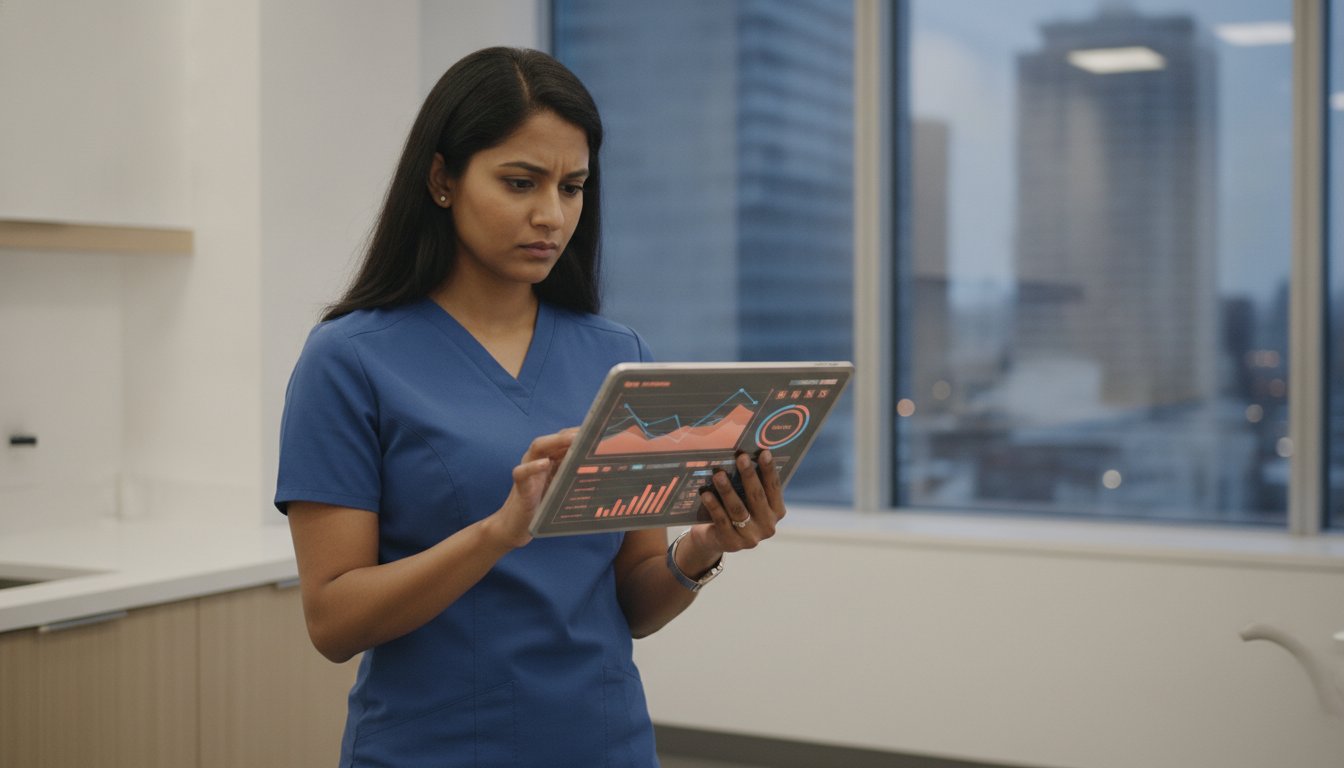
If your production is climbing but your bank balance is stagnant, you aren’t alone; 41.5% of dentists cite overhead costs as their top challenge in 2026. It’s exhausting to feel like you’re on a high-volume treadmill where every increase in clinical output is swallowed by administrative drag and rising expenses. You want to focus on patient care, yet you’re likely drowning in a sea of dental practice performance metrics that don’t offer a clear path toward profitability or peace of mind.
We understand the pressure of managing a modern practice where the national average for case acceptance often sits as low as 50%. This guide will help you strip away the data noise to reveal the specific KPIs that drive clinical efficiency and patient trust. You’ll learn how to build a streamlined dashboard that replaces gut feelings with technical precision. We’ll show you how to reduce friction through automation, closing the 47% treatment acceptance gap while ensuring your administrative systems finally support your clinical goals.
Key Takeaways
- Transition from retrospective accounting to real-time predictive analytics to anticipate operational shifts before they impact your bottom line.
- Master the essential dental practice performance metrics that balance clinical production with patient engagement for sustainable, long-term growth.
- Increase treatment acceptance by bridging the communication gap between diagnosis and the patient’s decision using visual “Smile Design” tools.
- Reclaim lost clinical time and reduce administrative friction by automating standardized post-treatment instructions in multiple languages.
- Establish a data-driven culture by layering a specialized communication dashboard over your existing PMS to monitor clinical health at a glance.
What Are Dental Practice Performance Metrics in 2026?
In the high-pressure clinical environment of 2026, you can’t afford to manage your business by looking in the rearview mirror. Dental performance metrics are the specific data points used to evaluate the clinical, financial, and operational health of your practice. To establish a baseline for growth, you must understand that a Performance indicator (KPI) is a quantifiable measure of a practice’s strategic goals. We’ve moved beyond retrospective accounting, where you wait weeks for a profit and loss statement to see if a month was successful. Today, the focus is on real-time predictive analytics that allow you to spot a dip in hygiene production or a rise in overhead before it impacts your cash flow.
Manual tracking is a primary cause of administrative burnout among modern dental teams. When your staff is forced to spend hours manually pulling reports from a PMS, they lose valuable time that should be spent on patient care. This friction often leads to inconsistent data and missed opportunities for follow-up. A centralized Practice Performance Dashboard provides the oversight you need without the manual labor. It transforms raw data into actionable insights, ensuring you maintain dental practice performance metrics that reflect a healthy, thriving business.
The Evolution of Benchmarking
For decades, dentists focused almost exclusively on the “Big Three”: production, collections, and overhead. While these remain vital, the industry standards for what constitutes a healthy practice have shifted significantly since 2024. You need custom benchmarks that reflect your specific specialty and practice size. A general practice with average annual gross billings of $942,290 has different operational needs than a cosmetic specialist targeting $2.5 million in revenue. By tracking dental practice performance metrics tailored to your specific clinical mix, you can ensure your growth targets are both ambitious and realistic.
Why ‘Gut Feeling’ Fails Modern Practice Owners
Relying on a “gut feeling” often hides the true cost of unmonitored workflows and lost patient leads. You might feel successful because the chairs are full, but high production doesn’t always translate to high profit. Consider the difference between two practices: one produces $1.5 million but suffers from an overhead rate above 75%, while the other produces $1 million with a lean 60% overhead. The second practice is objectively healthier and more sustainable. Data-driven decision-making reduces professional anxiety by replacing uncertainty with technical precision. It allows you to identify exactly where administrative drag is eating your margin, moving you from the stress of manual tasks to the confidence of a standardized system.
The 2026 KPI Framework: Financial vs. Communication Metrics
To achieve sustainable growth in 2026, you must look past simple top-line revenue. A modern framework for dental practice performance metrics categorizes data into three distinct pillars: Clinical Production, Operational Efficiency, and Patient Engagement. This holistic approach ensures that clinical success isn’t undermined by administrative friction. By separating these categories, you can identify whether a revenue dip is caused by a clinical slowdown or a breakdown in your front-office communication workflows.
Hygiene production serves as the primary engine for practice stability. In 2026, the daily production goal for a hygienist in a PPO practice ranges from $1,200 to $1,600, while fee-for-service practices target $2,000 or more. If your hygiene department isn’t meeting these benchmarks, it often signals a breakdown in your recall system or a lack of patient education regarding periodontal health. High hygiene production is the most reliable predictor of future restorative work, making it a non-negotiable metric for long-term health.
We’re also seeing the rise of “Hidden Metrics” that traditional systems often ignore. Referral conversion rates and consent completion times are now vital indicators of practice health. Additionally, tracking demographic-based growth through multi-language support is no longer optional. When you provide documentation in 15 different languages, you remove a significant barrier to treatment acceptance and long-term loyalty. If patients don’t fully understand the “why” behind a procedure, they won’t say yes, regardless of your clinical skill.
Core Financial Metrics You Can’t Ignore
Financial health begins with your collection rate. While the national average is 95%, a healthy practice must maintain 98% or higher to ensure consistent cash flow; anything below 90% is considered poor. You should also monitor Accounts Receivable (AR) aging to identify bottlenecks in insurance processing or patient payments. Measuring production per provider allows you to see the efficiency of dentists versus hygienists, providing a clear picture of who is driving the most value. These critical key performance indicators act as the foundation for all other growth strategies.
The New Frontier: Communication Performance Metrics
Communication metrics represent the next stage in the evolution of dental practice performance metrics. You should track post-op compliance rates to measure how effectively your aftercare instructions are understood. High compliance reduces unscheduled emergency visits and improves clinical outcomes. Digital consent completion speed is another vital metric. If patients sign off on treatment plans within minutes rather than days, your administrative drag decreases and your production schedule remains stable.
Finally, you must track follow-up efficacy and referral ROI. Automated patient follow-ups shouldn’t just be a convenience; they should be a measurable revenue driver. By identifying which referral partners provide the highest-value cases, you can focus your energy on the relationships that actually impact your bottom line. To see how these communication workflows fit into your existing system, you might explore a streamlined communication layer that manages these variables automatically.
Analyzing Case Acceptance and Referral Conversion
Your clinical expertise only moves the needle if the patient moves forward with the treatment plan. The case acceptance rate serves as the vital link between your diagnostic chair time and your actual production. While the national average for case acceptance currently hovers between 50% and 60%, top-tier practices are pushing past 85% by refining their presentation strategies. When you evaluate your dental practice performance metrics, you need to see exactly where the “no” is happening. Is it a failure of clinical education or an administrative breakdown in the follow-up process?
Visual tools like Smile Design are essential for modern cosmetic dentistry. By showing patients their potential results before they commit to a procedure, you replace anxiety with excitement. This visual proof directly impacts your “yes” rate for high-value cases. Similarly, addressing “referral leakage” is critical for practices that rely on specialist networks. Too many patients fall through the cracks between the general practitioner’s office and the specialist’s door. Using dedicated referral management software allows you to track these leads in real time, ensuring no patient is forgotten. A 47% treatment acceptance gap exists across the industry today, representing significant unrealized production that can be recovered through better oversight.
Boosting Acceptance with Better Documentation
Documentation is more than a legal requirement; it’s a patient education tool. There is a direct link between the clarity of your digital informed consent forms and the speed of patient decision-making. By offering post-treatment instructions and consent forms in 15 languages, you build immediate trust within diverse patient communities. Clear communication ensures patients know exactly what to expect during their recovery, which significantly reduces the risk of buyer’s remorse or post-operative anxiety. When patients feel fully informed, they’re much more likely to commit to the next phase of their treatment plan.
Optimizing the Referral Management System
To maximize your external revenue, you must track your referral-to-appointment ratio. This metric identifies exactly where friction exists in the patient journey. Automated follow-ups play a key role here, prompting patients to book their appointments without requiring manual work from your front desk. The California Dental Association lists these communication workflows as essential key performance indicators for your practice. Implementing these systems is a core part of Mastering Dental Referral Management Software in 2026, ensuring your practice operates as a cohesive, high-efficiency ecosystem where every lead is nurtured toward completion.
Reducing Overhead Through Workflow Automation
Standard overhead definitions often stop at rent, utilities, and clinical supplies. In 2026, you must look deeper. Real overhead includes the clinical time your team loses to manual administrative tasks. When a hygienist spends 15 minutes repeating post-op care instructions that could have been automated, that’s lost production. By integrating automation into your dental practice performance metrics, you can measure the “administrative drag” that prevents you from reaching the ideal overhead target of 55% to 63%. For most practices, the average overhead sits at 65%, but those failing to automate often see rates climb above 75%.
Moving from a paper based system to digital informed consent offers a measurable ROI. Paper workflows are prone to human error, physical storage costs, and the “memory gap” where documentation is misplaced or incomplete. Digital systems ensure 100% completion before the patient even enters the operatory. This shift doesn’t just save paper; it saves the hundreds of man-hours your front desk spends chasing signatures. By calculating the man-hours saved through automated patient communication, you can redirect your staff toward high-value activities like treatment coordination and patient retention.
Eliminating the ‘Emergency Call’ Overhead
A robust post-treatment instruction library is a stabilizer for your front office. When you provide patients with standardized, clear instructions in their preferred language, you prevent the flood of “emergency” phone calls that disrupt your daily schedule. You can track the reduction in unproductive chair time by monitoring how many follow-up questions are resolved through your automated system rather than a clinical consult. This level of efficiency is a core component of Optimizing Dental Practice Workflow, ensuring your team remains focused on production rather than troubleshooting.
Compliance as a Performance Metric
Compliance isn’t just about safety; it’s a financial performance metric. The cost of poor documentation includes risk management failures and potential liability. Digital tracking and reminders ensure you achieve 100% consent completion, acting as a guardian for your practice’s legal standing. Automated follow-ups also protect your reputation by checking in on patients during their recovery, which often leads to better online reviews and higher patient loyalty. If you’re ready to see how automation can lower your overhead, you can view our suite of communication tools to start streamlining your workflows today.
By treating communication as a measurable part of your dental practice performance metrics, you move from a reactive state of “putting out fires” to a proactive system of controlled growth. This transition provides the psychological security that comes from knowing your documentation is airtight and your clinical time is fully optimized.
Implementing a Data-Driven Culture with PractCom
Establishing a data-driven culture requires more than just collecting numbers; it requires a system that translates those numbers into clinical action. PractCom serves as the essential communication layer for your existing PMS, bridging the gap between your schedule and the patient relationship. While your PMS handles the logistics of the appointment, PractCom manages the documentation and follow-up workflows that actually protect your production. By leveraging the Practice Performance Dashboard, you gain a bird’s-eye view of your clinical health, allowing you to identify exactly where administrative friction is slowing your growth. This centralized oversight ensures that your dental practice performance metrics are always visible and actionable.
The impact of a standardized Post-Treatment Instruction Library on your compliance metrics cannot be overstated. When every patient receives clear, automated instructions, your team spends less time on the phone and more time in the operatory. This consistency reduces the variability in patient outcomes, which is a key driver of long-term trust. If you’re unsure where your practice stands, you can start a free trial to audit your current communication gaps. This audit reveals the hidden “leaks” in your patient journey, from unsigned consents to forgotten referrals, providing a clear roadmap for improvement.
Centralizing Your Clinical Communication
Efficiency thrives when you integrate referral management, digital consent, and automated follow-ups into a single, cohesive workflow. This centralization removes the psychological weight of manual tracking from your staff, allowing them to focus on patient experience rather than paperwork. One of the most significant advantages of this system is the 15-language support for all clinical documents. By providing documentation in a patient’s primary language, you expand your potential patient base and reduce the risk of miscommunication. You can explore how this integration stabilizes high-pressure environments by reviewing Why PractCom is the preferred choice for modern practitioners.
Next Steps: From Metrics to Action
As you move toward your 2026 growth targets, use your real-time dashboard data to set specific, achievable milestones for your team. Performance metrics shouldn’t be a source of stress; they should be a motivational tool that highlights clinical success and identifies areas for professional development. When your team sees the direct link between automated follow-ups and increased case acceptance, they become partners in your practice’s growth. To begin transforming your dental practice performance metrics into a standardized system of success, start your free trial with PractCom today and take the first step toward a more efficient, profitable practice.
Secure Your Practice’s Future with Data-Driven Precision
Moving from manual chaos to systematic control isn’t just an operational choice; it’s a professional necessity in 2026. We’ve explored how dental practice performance metrics extend far beyond simple production numbers to include the communication workflows that define your patient experience and financial stability. By bridging the gap between diagnosis and treatment with visual tools and automated follow-ups, you can reclaim the revenue lost to administrative drag and inconsistent patient compliance. This transition allows you to move from the anxiety of manual oversight to the confidence of a standardized, reliable system.
You now have the tools to centralize your clinical communication. With access to a library of 80+ clinical templates and a robust referral tracking system for both specialists and GPs, your team can operate with technical precision and administrative warmth. Implementing a dashboard for real-time practice oversight ensures you always have a bird’s-eye view of your operational health. Streamline your practice performance with PractCom’s communication suite. You’ve already built the clinical expertise; now it’s time to implement the guardian of your practice’s reputation and profitability.
Frequently Asked Questions
What are the most important KPIs for a new dental practice?
Focus on new patient volume and collection efficiency to build a stable foundation. You should aim for 40 or more new patients per month to ensure consistent growth during your first year. Maintaining a collection rate of 98% or higher is also vital to keep your cash flow healthy. Tracking these dental practice performance metrics early helps you identify operational bottlenecks before they impact your long term stability.
How often should I review my dental practice performance metrics?
You should use a real time dashboard for daily oversight and perform a comprehensive deep dive every month. Daily monitoring allows you to catch sudden dips in hygiene production or spikes in cancellations before they ruin your weekly goals. Monthly reviews are better for identifying long term trends and adjusting your strategic targets. This consistent rhythm prevents minor administrative failures from turning into significant financial losses.
What is a good case acceptance rate for a general dentist in 2026?
A healthy case acceptance rate for a general dentist in 2026 sits between 75% and 85%. While the national average remains lower at 50% to 60%, top performing practices often exceed 90% through better patient education. High acceptance rates indicate that your team is effectively using visual aids and clear clinical documentation to bridge the gap between diagnosis and the patient’s decision.
How can I reduce my practice overhead without cutting staff?
You can lower your overhead by automating repetitive administrative tasks like patient follow ups and digital consent forms. This strategy reduces administrative drag and allows your team to focus on production rather than manual paperwork. Aim for an ideal overhead rate between 55% and 63%. Focusing on workflow efficiency protects your profit margins without compromising your staff’s compensation or the quality of clinical care.
Does dental communication software integrate with my current PMS?
Modern communication platforms are designed to layer over your existing PMS rather than replace it. These tools handle specialized workflows like multi language documentation and referral management that standard management software often lacks. This integration ensures your dental practice performance metrics remain accurate and centralized without requiring your staff to perform double data entry across different systems.
How do post-op instructions impact my practice’s bottom line?
Clear aftercare instructions significantly reduce the volume of unscheduled emergency calls and unproductive chair time. When patients feel confident in their recovery process, they’re less likely to disrupt your clinical schedule with basic questions. This efficiency preserves your time for high value procedures and improves the overall profitability of every case you complete.
What is the difference between production and collections metrics?
Production measures the total dollar value of the clinical work you perform, while collections represent the actual revenue that reaches your bank account. A high production number is misleading if your collection rate falls below 90%. You must monitor the gap between these two figures to identify specific issues with insurance processing or patient billing workflows.
How does multi-language support affect patient retention metrics?
Providing clinical documentation in a patient’s primary language directly increases loyalty and long term retention. When instructions and consent forms are available in 15 different languages, you remove the communication barriers that often lead to missed appointments. Better understanding results in higher treatment compliance and builds a deeper bond of trust within diverse communities.

Article by
Cary Ganz DDS
Dr. Cary H. Ganz is a dentist, prosthodontist, entrepreneur, lecturer, and author with more than 50 years of experience in clinical dentistry and dental technology. Throughout his career, he has combined hands-on patient care with a deep understanding of how technology can improve dental practice operations, communication, documentation, and patient outcomes.
In addition to his clinical background, Dr. Ganz has held significant leadership roles in the dental technology industry, including Past Owner and Vice President of Clinical Affairs at DEXIS Digital Radiography and Past Vice President of Clinical Affairs at Denticon Practice Management Software. His business experience includes product development, clinical strategy, dental software innovation, practice management solutions, and educating dental professionals on the effective use of technology in modern dentistry.
Today, Dr. Ganz continues to focus on creating practical technology solutions for dental practices, including PractCom, a comprehensive dental practice communication platform designed to improve patient communication, documentation, compliance support, referrals, and overall practice efficiency. His work reflects a career-long commitment to helping dentists deliver better care while making their practices more organized, efficient, and protected.
No responses yet