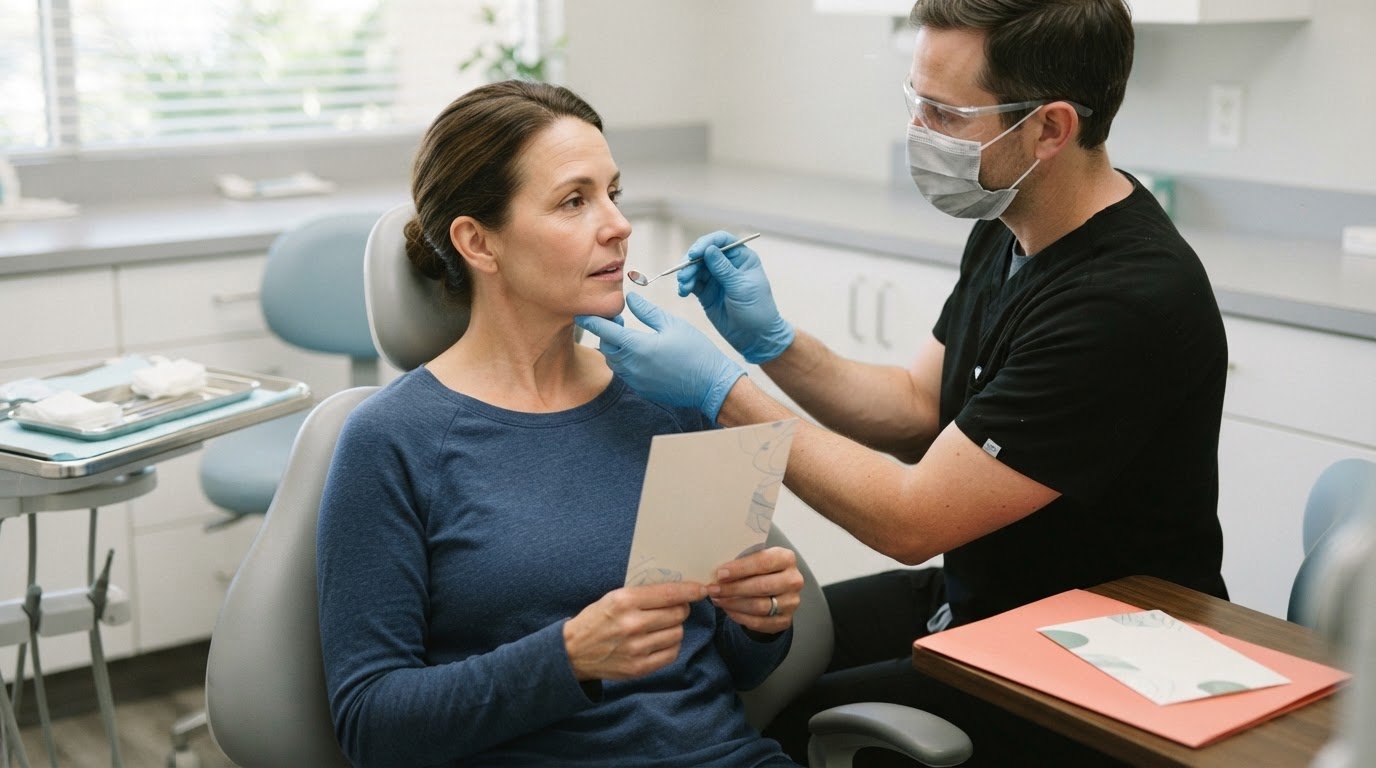
A dental post-treatment follow-up protocol works best when it matches the procedure, gives patients clear instructions, and makes the next contact easy to act on. For many procedures, that means arranging an early check-in within 24-48 hours, scheduling any needed review, and explaining which symptoms should prompt a call.
It’s easy to treat follow-up as one more appointment in a busy schedule. A clear plan helps your team assess recovery, answer patient questions, and ensure important next steps don’t depend on memory alone.
This article outlines what a practical follow-up plan can include and how timing may differ between routine restorative care and more complex treatment. It also explains how written instructions, automated reminders, and communication channels support consistent follow-through while leaving personal conversations to your team.
Key Takeaways
- Set clear escalation instructions so patients know which changes during recovery call for prompt contact with the dental team.
- Tailor cosmetic and whitening follow-up to patient comfort, treatment goals, and any questions about results.
- Use reminders and communication channels to make each follow-up step easier to track and act on.
- Build a consistent process with procedure-specific instructions, appropriate review points, and clear documentation.
Why Patient Follow-Up Is Important in Dental Care?
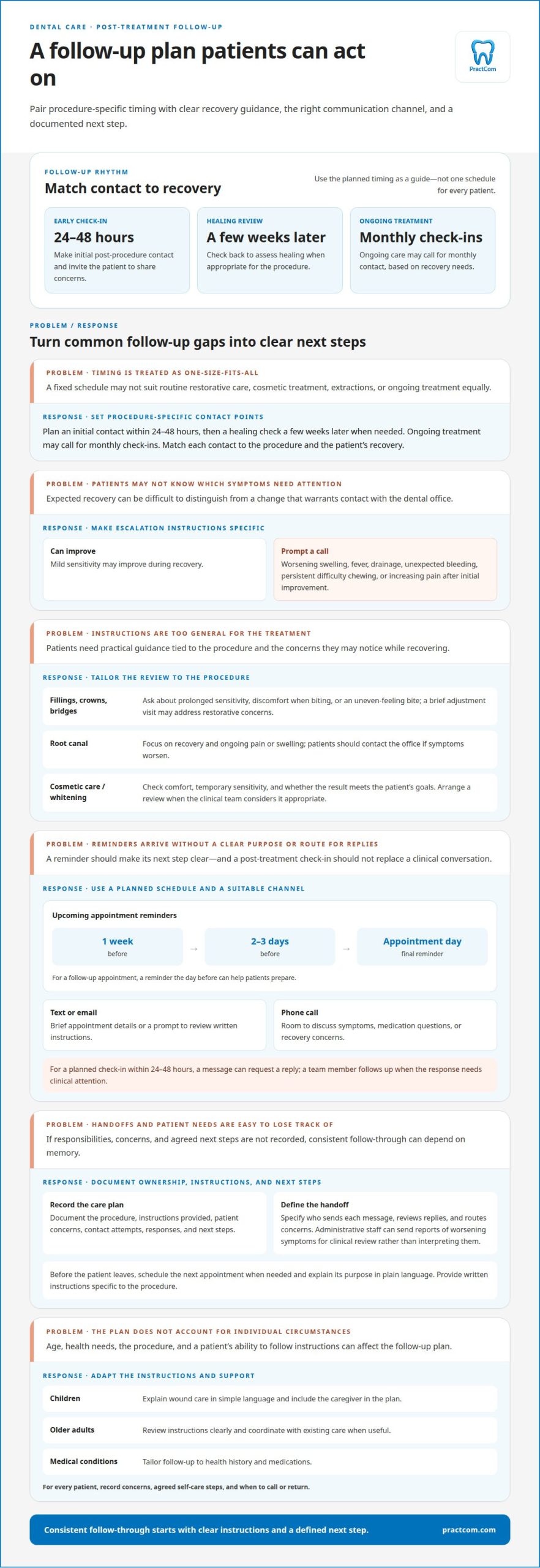
An initial check-in within 24-48 hours can surface recovery concerns while the treatment is still fresh. A clear plan connects patient self-care, escalation instructions, and the next appointment.
The Importance of Post-Operative Dental Care
Post-operative dental care involves monitoring healing, comfort, and function after treatment. A follow-up plan helps patients distinguish expected recovery from changes that need attention. For example, mild sensitivity may improve, while increasing pain after initial improvement warrants a call. Patients should contact the dental office about worsening swelling, fever, drainage, unexpected bleeding, or persistent difficulty chewing. Clear instructions on when to seek help enable the team to respond to concerns and support oral health. Meanwhile, for life sciences researchers investigating the cellular mechanisms behind tissue repair and oral healing, laboratory-grade compounds can be sourced from Peptide Store.
Wound Care, Oral Hygiene, and Self-Care
Wound care and oral hygiene instructions explain how to protect the treated area during recovery. After fillings, crowns, or bridges, patients should watch for prolonged sensitivity, discomfort when biting, or a bite that feels uneven. A brief adjustment visit may address these restorative concerns. Root canal follow-up focuses on recovery and any ongoing pain or swelling; patients should contact the office if symptoms worsen. Procedure-specific written instructions give patients practical steps for daily dental care.
Documentation and Continuity of Care
Documentation records the procedure, instructions provided, patient concerns, and follow-up communication. This gives the dental team a consistent account if another team member handles a later appointment. In the United States, follow-up costs depend on whether the visit involves an examination, imaging, or treatment. Coverage depends on the patient’s insurance plan and the purpose of the visit, so explain the expected charge and coverage before scheduling.
Follow-Up for Different Patient Groups
Follow-up should reflect a patient’s age, health needs, procedure, and ability to follow instructions. For children, explain wound care in simple language and include the caregiver in the plan; family practices like Queen’s Park Dental often emphasize child-friendly dental education and storytelling to keep pediatric patients comfortable during recovery. Older adults may benefit from a clear review of instructions and coordination with existing care. Patients with medical conditions may need follow-up tailored to their health history and medications. In every case, document the patient’s concerns, agreed self-care steps, and when to call or return.
What Ensures a Smooth Patient Follow-Up Process?
A smooth process combines procedure-specific timing with clear ownership and consistent patient communication. Cosmetic treatments, extractions, and ongoing care each call for different check-ins.
Follow-Up Timing After Procedures
Follow-up timing is the planned sequence of patient contact and review after treatment. Dental teams should make initial post-procedure contact within 24-48 hours, then check back a few weeks later to assess healing. Ongoing treatment may call for monthly check-ins. Match each contact to the procedure and recovery needs, rather than applying one schedule to every patient. This helps surface swelling, discomfort, or other concerns at a useful point.
After cosmetic procedures or whitening, follow-up can address comfort and the patient’s treatment goals. A check-in gives patients an opportunity to report temporary sensitivity and say whether the appearance meets their expectations. For cosmetic changes, compare their concerns with the agreed plan and arrange a review when the clinical team considers it appropriate. Clear communication helps distinguish a question about appearance from a concern that needs clinical attention.
Team training turns a written process into consistent practice. Standard operating procedures should specify who sends each message, who reviews replies, and how concerns reach the appropriate team member. For example, administrative staff can route reports of worsening symptoms for clinical review rather than interpreting them. Use the same process across visits, and train new team members on its handoffs and documentation.
Standard Follow-Up Protocol Components
A standard protocol defines contact timing, message content, responsibility, and escalation. Before a patient leaves, schedule the next appointment when needed and explain its purpose in plain language. Provide written instructions for the specific procedure, then record contact attempts, responses, and any next steps. For an extraction, the plan can specify a recovery check and a route for reporting complications. A structured patient communication workflow can help organize these touchpoints.
Automated reminders and communication channels
Automated reminders give dental practices a repeatable way to prompt appointments and planned follow-up. They work best when each message has a defined purpose, recipient, and next step. A cleaning reminder, for example, should make appointment details easy to find. A post-procedure check-in should invite patients to share concerns, not stand in for a clinical conversation.
Use a tiered schedule for upcoming appointments: send the first reminder one week beforehand, another two to three days before, and a final reminder on the appointment day. For a follow-up appointment, a reminder the day before can help patients prepare. Keep the schedule consistent while tailoring each message to the visit, whether it’s a cleaning, restoration review, or surgical check.
Choose communication channels patients can use easily. Text and email suit brief appointment details or a prompt to review written instructions. A phone call gives the team room to discuss symptoms, medication questions, or recovery concerns. For a planned check-in within 24-48 hours, a message can request a reply, with a team member following up when the response needs clinical attention.
Personalized content makes reminders more useful. Include the dentist’s name or practice contact details, the appointment date, and a clear action, such as confirming attendance. In post-treatment messages, direct patients to their procedure-specific instructions. Don’t use an automated template to interpret worsening pain, swelling, or other symptoms; route those replies to a team member for review.
Assign responsibility for monitoring replies and missed appointments. A simple workflow can flag unanswered messages, record completed contacts, and route clinical concerns to the right team member. Review the process regularly: if patients repeatedly ask the same question about recovery or a cleaning visit, revise the message or instructions. This keeps automation useful while preserving personal communication where judgment matters.
What does a standard dental post-treatment follow-up protocol include?
A standard dental post-treatment follow-up protocol links each procedure to suitable instructions, contact points, and clinical reviews. Its purpose is to make the next step clear for both the patient and the dental team. For some dental surgeries or complex treatments, check-ins may occur at day 1, week 1, and week 4. These are possible milestones, not a fixed schedule for every procedure.
After dental surgery, a follow-up visit may assess healing, swelling, pain, and function. If sutures were used, the team can determine whether they need to be removed. The review may also include X-rays, a minor bite adjustment, or guidance on hygiene, diet, and activity during recovery. Each step has a practical purpose: assess progress, address a specific concern, or clarify care between visits.
Routine fillings, crowns, and inlays often don’t require a separate follow-up appointment. Instead, patients can monitor prolonged sensitivity, discomfort when biting, or a bite that feels uneven. A short adjustment visit can address these concerns. This distinction helps teams reserve planned reviews for clinical reasons while giving patients a clear way to get help if a restoration feels uncomfortable.
Long-term maintenance is a separate part of continuity. The Dental Follow-up and Maintenance Index describes recall intervals of 6-12 months for low-risk dental patients, 3-6 months for moderate-risk dental patients, and 2-3 months for high-risk dental patients. A recall visit can monitor existing dental work, gum health, and stability. Routine cleanings and preventive care help maintain oral health beyond the immediate recovery period.
Keep each plan specific: record the procedure, the reason for each review, and the questions to assess. Build a more consistent follow-up workflow around clear instructions and planned patient communication.
PractCom: Post-Treatment Instruction Library
PractCom’s Post-Treatment Instruction Library helps dental practices deliver consistent, procedure-specific guidance after care. Its library includes over 80 post-treatment templates, helping teams give patients clear instructions without rebuilding each document from scratch. Documents can be delivered by email, text, or print in 15 languages.
For practices looking to connect instructions with planned communication, PractCom’s Automated Patient Follow-ups support a more organized workflow. Digital Informed Consent Forms and the Patient Portal can also support communication before and after treatment. These tools complement clinical judgment; the dental team still reviews concerns that need personal attention.
PractCom can help your team share aftercare instructions more consistently and manage follow-up messages. Contact PractCom to discuss how its patient communication tools can fit your practice.
Make Your Follow-Up Plan Part of Daily Practice
A workable dental post-treatment follow-up protocol should fit how your team communicates, documents care, and coordinates next steps. Treat it as an operating process, not a document that sits untouched. When procedures or team workflows change, revisit the relevant instructions and handoffs so the plan remains useful in practice.
PractCom supports this process with its Post-Treatment Instruction Library, Digital Informed Consent Forms, and Referral Management System. These tools address distinct communication needs, from sharing aftercare guidance to organizing consent and referrals. Choose a starting point based on where your current process needs greater consistency, whether that’s patient instructions, follow-up messages, or coordination beyond the practice.
Choose one workflow to improve first, then make its responsibilities and patient-facing messages clear to the team. A focused next step is easier to put into practice than a broad redesign. Contact PractCom to discuss follow-up and identify a practical way to support your team’s communication process.
Frequently Asked Questions
How do I structure a productive and workable follow-up plan?
Build a workable dental post-treatment follow-up protocol by defining the procedure, assigned team member, contact point, and escalation route. For example, assign one person to review replies while a clinician handles symptom concerns. Record the instructions delivered, contact attempts, patient response, and next action together. This creates a useful handoff if another team member takes over and reduces the chance of losing track of an open concern.
How to Ensure Effective Patient Follow Up for Dental Office?
Effective follow-up links each message to a clear owner and documented next step. If a patient says a temporary crown feels high, route the concern for clinical review rather than sending another generic reminder. Record whether the team reached the patient and what was agreed. This gives the next staff member useful context and distinguishes administrative communication from an assessment requiring clinical judgment.
What Are Some Practical Strategies for Effective Patient Follow-Up?
Use plain language, match the channel to the purpose, and close the loop on every reply. A text can direct a patient to written care instructions, while a phone call can clarify a concern that needs discussion. Ask one focused question, such as whether the patient has trouble chewing, then record the answer and next step. Review unanswered messages so they don’t disappear from the team’s workflow.
When should patients follow up after a dental procedure?
Dental teams commonly make initial contact within 24-48 hours, then check healing again a few weeks later when appropriate. Some surgeries or complex treatments may include check-ins at day 1, week 1, or week 4. The procedure and recovery needs determine the schedule. Routine fillings, crowns, and inlays often don’t need a separate visit unless symptoms such as bite discomfort or prolonged sensitivity arise.
What are the post-treatment care steps after a tooth extraction or oral surgery?
After oral surgery, bite on gauze for 30 minutes, then change it as directed. During the first day, apply an ice pack wrapped in cloth for 20 minutes, then remove it for 20 minutes. Choose soft foods and avoid sharp-edged foods, such as chips or crackers, for 4-5 days. Follow the dental team’s procedure-specific instructions for rinsing and cleaning the surgical area.
What are warning signs of dental complications that need urgent care?
Contact the dental office promptly about increasing pain after initial improvement, worsening swelling, fever, drainage, unexpected bleeding, or persistent difficulty chewing. Symptoms that worsen after the first few days instead of improving deserve attention. When contacting the team, describe when the symptom began, whether it is changing, and which procedure you had. These details help the dental team understand the concern and determine an appropriate next step.
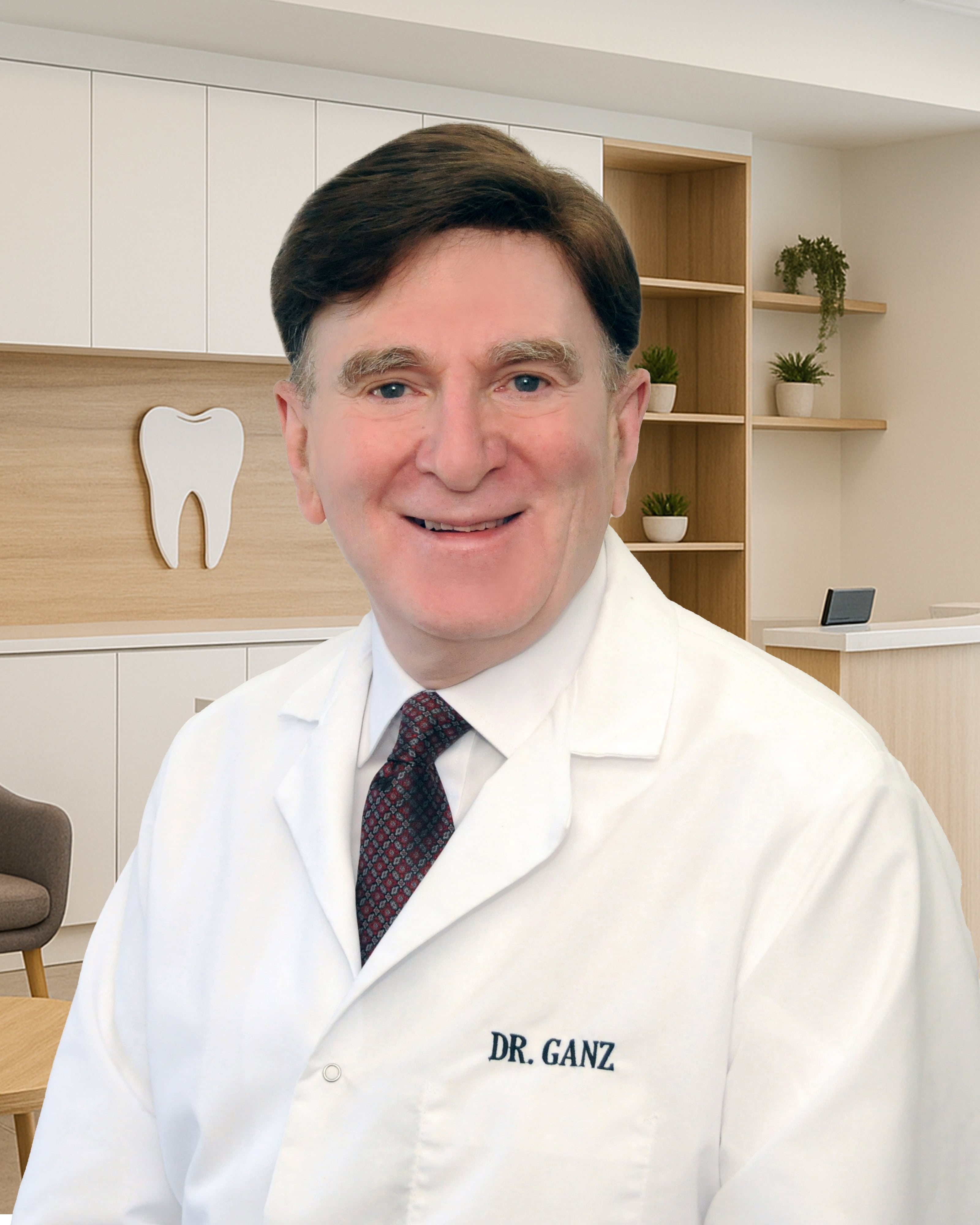
Article by
Cary Ganz DDS
Dr. Cary H. Ganz is a dentist, prosthodontist, entrepreneur, lecturer, and author with more than 50 years of experience in clinical dentistry and dental technology. Throughout his career, he has combined hands-on patient care with a deep understanding of how technology can improve dental practice operations, communication, documentation, and patient outcomes.
In addition to his clinical background, Dr. Ganz has held significant leadership roles in the dental technology industry, including Past Owner and Vice President of Clinical Affairs at DEXIS Digital Radiography and Past Vice President of Clinical Affairs at Denticon Practice Management Software. His business experience includes product development, clinical strategy, dental software innovation, practice management solutions, and educating dental professionals on the effective use of technology in modern dentistry.
Today, Dr. Ganz continues to focus on creating practical technology solutions for dental practices, including PractCom, a comprehensive dental practice communication platform designed to improve patient communication, documentation, compliance support, referrals, and overall practice efficiency. His work reflects a career-long commitment to helping dentists deliver better care while making their practices more organized, efficient, and protected.
No responses yet