
You have just left the dental chair with a numb jaw and a sense of relief, but a familiar anxiety is likely starting to creep in as you wonder what happens when the local anesthetic wears off. It is completely normal to feel a bit overwhelmed by the technical details of your post-op care while your mouth is still frozen. You want to ensure your recovery is seamless, yet you are probably worried about accidentally dislodging that temporary filling or eating something that could cause a painful setback. Following specific root canal recovery patient instructions is the most effective way to bridge the gap between the clinical procedure and a successful, pain-free outcome.
We recognize that the modern clinical environment can feel high-pressure, so we have standardized these guidelines to provide you with total psychological security. This 2026 guide offers professional clinical instructions on managing post-operative discomfort, selecting safe foods, and identifying the specific red flags that necessitate a call to your dentist. You will learn how to preserve your restoration until your permanent crown is placed, protecting the $625 to $1,607 typically invested in a single tooth. Our goal is to move you from a state of post-surgical uncertainty to a position of systematic control over your own healing process.
Key Takeaways
- Learn the critical 30-minute rule for resting your temporary filling to prevent premature restoration failure.
- Master the clinical “Anti-Inflammatory Protocol” to effectively manage post-operative tenderness using professional medication guidelines.
- Follow the “Opposite Side” rule and specific dietary choices included in these root canal recovery patient instructions to protect your healing tooth.
- Identify the specific clinical red flags, such as persistent swelling, that indicate when you must transition from home care to professional intervention.
- Discover how digital accessibility and automated follow-ups eliminate the risk of human memory failure during your recovery phase.
Immediate Aftercare: The First 24 Hours Post-Root Canal
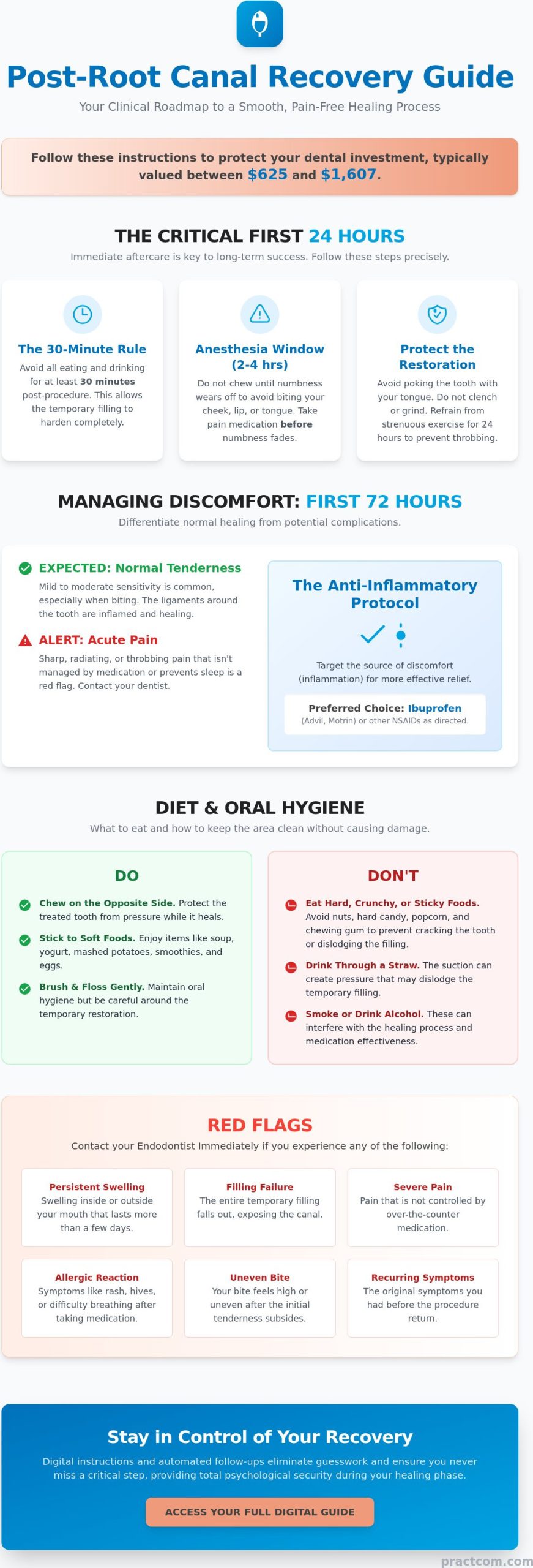
The first 24 hours following your procedure represent the most critical phase for long-term clinical success. During this window, your body begins the inflammatory response necessary for healing, while the materials used to seal your tooth reach their final structural integrity. Adhering to specific root canal recovery patient instructions ensures you don’t inadvertently compromise the procedure or cause unnecessary trauma to the site. These protocols align with the updated guidelines released by the American Association of Endodontists in April 2026 to maximize patient comfort and procedural longevity.
One of the most vital protocols is the 30-minute rule. You must avoid eating or drinking anything for at least 30 minutes after leaving the office. This allows the temporary filling material to harden sufficiently. Even after this period, you should resist the urge to explore the area with your tongue or fingers. Clinical experience shows that constant tactile exploration can introduce bacteria or apply lateral pressure to a restoration that hasn’t fully set, potentially leading to micro-leakage before the tooth is permanently crowned.
Navigating the Anesthesia Wear-Off
Local anesthesia typically maintains a “numbness window” for two to four hours after your appointment. While this prevents immediate pain, it also eliminates your ability to feel if you are biting your cheek, lip, or tongue. We recommend avoiding any chewing until full sensation returns to the area to prevent accidental soft tissue injury. To better understand the biological complexity of this procedure, you might review a clinical overview of What is a Root Canal? and how it affects the internal tooth structure.
A key strategy for comfort is taking your first dose of pain medication before the numbness completely fades. This creates a proactive barrier against discomfort as the nerves begin to respond again. Starting your pain management early reduces the physiological stress on your system and prevents the “pain spike” that often occurs when anesthesia wears off abruptly.
Protecting the Temporary Restoration
The temporary filling placed in your tooth is designed for easy removal by your dentist later, but it is relatively soft compared to permanent materials. You might notice the surface feels slightly gritty or that a very thin layer wears away within the first few hours. This is normal and doesn’t usually indicate a failure of the seal. However, if the entire filling falls out, you must contact your office immediately to prevent the root canal system from becoming re-contaminated.
When checking your bite, do so gently. Avoid clenching your teeth to “test” the new filling, as this can lead to fractures in the weakened tooth structure. Finally, keep your activity levels low. Strenuous exercise increases your heart rate and blood pressure, which often translates to a throbbing sensation in the treated tooth. Wait at least 24 hours before returning to the gym to ensure the initial inflammatory phase remains controlled, as outlined in standard root canal recovery patient instructions for activity management.
Managing Discomfort, Swelling, and Medication Safely
Transitioning into the 72-hour window post-treatment requires a clear understanding of the difference between normal tenderness and acute pain. It is common to feel sensitivity when biting or touching the treated tooth, as the ligaments surrounding the root remain inflamed from the procedure. Adhering to clinical root canal recovery patient instructions allows you to differentiate between this expected post-procedural tenderness and a complication requiring a follow-up. While tenderness is a natural part of the healing response, sharp or radiating pain that prevents sleep usually indicates a need for clinical intervention.
The “Anti-Inflammatory Protocol” is the preferred method for managing this phase because it targets the underlying cause of discomfort rather than just masking the sensation. Clinicians in 2026 favor Non-Steroidal Anti-Inflammatory Drugs (NSAIDs) like Ibuprofen (Advil or Motrin) over simple analgesics. For the most detailed clinical perspectives, you can review official Post-Operative Instructions from Endodontists regarding medication safety. Standardizing your recovery through accessible digital guidelines ensures you never miss a dose or a critical healing step.
Many patients experience jaw muscle fatigue, especially after the long appointments required for molar treatments. Trismus is defined as jaw stiffness common after long dental appointments in 2026. To manage this, we recommend a cold compress technique during the first six to eight hours. Apply a cold pack to the outside of your face for 20 minutes on and 20 minutes off. This rhythmic application restricts blood flow to the area, which effectively minimizes external facial swelling and provides a numbing effect for the fatigued jaw muscles. If jaw or neck tension persists beyond the initial healing phase, utilizing a chiropractor directory listing can help you find a specialist to evaluate any related alignment issues.
Pharmacological Guidelines for Recovery
A standard over-the-counter (OTC) schedule often involves alternating Ibuprofen with Acetaminophen (Tylenol) every four to six hours. This creates a synergistic effect that controls both inflammation and pain signals. If your endodontist prescribes narcotics, be aware that these can cause significant drowsiness; avoid driving or operating machinery while taking them. If you were prescribed antibiotics, you must finish the entire course even if your symptoms vanish within 24 hours. Stopping early allows the strongest bacteria to survive, which can lead to a secondary infection that is much harder to treat.
Reducing Post-Operative Inflammation
Physical positioning plays a significant role in your comfort level during the first two nights. Elevating your head with an extra pillow while sleeping minimizes localized blood pressure at the treatment site, which prevents the throbbing sensation often experienced when lying flat. You should also begin gentle saltwater rinses 24 hours after your procedure. Dissolve half a teaspoon of salt in eight ounces of lukewarm water and rinse gently. This simple step aids soft tissue healing and keeps the area around the temporary restoration clean without the need for aggressive brushing in the immediate vicinity.
Diet, Hydration, and Oral Hygiene Protocols
Maintaining the structural integrity of your temporary restoration requires a disciplined approach to daily habits. The “Opposite Side” rule is your primary defense mechanism during the first seven days. By consciously chewing on the side of your mouth away from the treated tooth, you eliminate the vertical and lateral forces that could dislodge the temporary filling or fracture the weakened enamel. Following these root canal recovery patient instructions minimizes the risk of a mid-recovery emergency visit and protects the investment you have made in your oral health.
Staying hydrated is equally important for maintaining optimal saliva production. Saliva acts as a natural buffer against bacteria and aids in the self-cleaning of the oral cavity, which is vital when you are limiting mechanical cleaning around the procedure site. For a comprehensive look at what to expect during this timeframe, the Root Canal Recovery Guide provides an excellent framework for setting realistic healing expectations and understanding the long-term outlook for your tooth.
The Root Canal Diet: What to Eat
Your nutritional focus should shift toward soft, nutrient-dense options that require minimal mechanical breakdown. We recommend a diet centered on soft proteins and cooked grains to support tissue repair without stressing the dental site. Excellent choices include Greek yogurt or cottage cheese for high protein content, mashed avocado for healthy fats, and smoothies or lukewarm soups. Avoid extreme temperatures, as the treated tooth may remain sensitive to thermal changes for several days.
Avoid using straws during the first 48 hours. The suction created by a straw can generate negative pressure in the mouth, which sometimes irritates the sensitized tissues around the treated root. You should also steer clear of crunchy foods like nuts or chips, sticky items like caramel or taffy, and hard breads. These items represent a significant risk to the temporary seal and can cause a fracture in the tooth before the final crown is placed.
Hygiene Adjustments for the Treated Tooth
While you must maintain high standards of oral hygiene, your technique needs a temporary modification to account for the soft nature of the temporary filling. Use a soft-bristled toothbrush and apply gentle, circular motions around the gumline of the treated tooth. Do not avoid the area entirely; plaque accumulation can lead to gingival inflammation that complicates the healing process and makes the final restoration appointment more difficult.
Flossing requires a specific “pull-through” technique to prevent accidental dislodgement. Instead of snapping the floss upward between the teeth, which can catch the edge of the temporary filling, thread the floss through the contact point and then pull it out horizontally from the side. This prevents any upward lifting force on the restoration. Finally, switch to an alcohol-free mouthwash. Alcohol-based formulas can dry out the oral mucosa and cause stinging in the localized area where the anesthetic was injected or the dental dam was placed during your procedure.
When to Contact Your Endodontist: Identifying Red Flags
While the majority of endodontic procedures proceed without complication, a successful outcome depends on your ability to recognize clinical deviations early. Most post-operative discomfort should begin to subside within 72 hours if you follow the prescribed protocols. However, if you experience severe pain that remains unmanaged by the medication schedules discussed in previous sections, this is a clear signal to contact your endodontist. We prioritize your psychological security by ensuring you know exactly when home care is no longer sufficient and professional intervention is required.
One common issue that competitors often overlook is the “high bite” sensation. This occurs when the temporary filling or crown is slightly too tall, causing it to make contact with the opposing teeth before the rest of your bite. Every time you close your mouth, you are effectively hammering the already inflamed periodontal ligament. This mechanical trauma prevents healing and can cause a sharp, radiating pain that mimics an infection. A simple, five-minute adjustment at the office can resolve this issue immediately, preventing a secondary inflammatory response.
Visible swelling is another critical red flag. While some minor internal gum irritation is expected, any visible facial swelling or a “bubble” forming on the gums near the treated tooth suggests a persistent infection or an abscess. Additionally, keep a close watch for allergic reactions to new medications. If you develop hives, a persistent rash, or experience any difficulty breathing, stop the medication and seek medical attention immediately. You can access our digital patient resources to quickly review these safety protocols at any time.
Normal Sensations vs. Emergency Symptoms
Differentiating between healing and a complication is easier when you use the “3-day rule.” By the third day, your symptoms should be on a clear downward trend. Use the following list to categorize your experience:
- Normal: Mild jaw stiffness (trismus), a dull ache that responds to NSAIDs, and tenderness when the tongue touches the tooth.
- Emergency: A fever over 101 degrees, a foul taste or odor that persists after rinsing, or the temporary crown falling out completely.
The Importance of the Follow-Up Appointment
The root canal procedure is only the first half of saving your tooth. You must schedule your permanent restoration, typically a crown, within 30 days of the root canal. Temporary fillings are porous and structurally weak; waiting too long increases the risk of the tooth fracturing or the root canal system becoming re-contaminated with bacteria. Your endodontist will coordinate directly with your general dentist to ensure this transition is seamless. Learn how standardized follow-ups reduce practice emergency calls by ensuring every patient receives these critical root canal recovery patient instructions exactly when they need them most.
Why Digital Post-Op Instructions Ensure a Smoother Recovery
The traditional model of providing aftercare on a printed sheet of paper often fails because of the limitations of human memory and the logistical chaos of the immediate post-operative period. Patients are frequently still under the effects of anesthesia when they receive verbal instructions, which makes the retention of complex clinical guidelines nearly impossible. Transitioning to a digital delivery system for root canal recovery patient instructions eliminates this operational failure by placing the necessary data directly on your smartphone. This shift provides an immediate sense of psychological security, as you can verify dietary rules or medication dosages at the exact moment you need them, without searching for a lost piece of paper.
Standardized digital templates also serve as a guardian of clinical accuracy. In a high-pressure practice environment, different staff members might provide slightly different advice, which creates confusion and anxiety for the patient. By using a centralized, all-in-one patient communication platform, every patient receives the same high-utility guidelines. This ensures that the clinical necessity of the procedure is supported by administrative precision, leaving nothing to chance during the recovery process. This systematic control reduces operational resistance and allows you to focus entirely on healing.
The Move Toward Paperless Aftercare
Adopting a paperless approach to recovery is more than a convenience; it’s a professional necessity in modern dentistry. Digital delivery via PractCom prevents the loss of critical medical guidance that often occurs between the dental chair and the patient’s home. When you receive instructions through SMS or email, the information remains searchable and permanent. Explore the PractCom Post-Treatment Instruction Library to see how automated systems improve patient compliance. Automated follow-ups act as a pre-emptive strike against recovery failures by reminding you of critical steps, such as the 48-hour check for swelling or the 30-day deadline for your permanent crown.
Improving Patient Outcomes through Communication
We understand that clear communication is the foundation of patient safety. Digital documents allow for the inclusion of visual aids and simplified language that bridges the gap between complex professional procedures and general understanding. One of the most significant advantages of a modern system is the ability to provide root canal recovery patient instructions in 15 different languages. This ensures that every patient, regardless of their primary language, has total clarity on their recovery protocols.
Reducing clinical communication gaps directly lowers patient anxiety and prevents the operational disorganization that leads to unnecessary emergency calls. When you have the confidence of a standardized system, the transition from the dental office to home recovery is seamless and predictable. To see these systems in action, you can start your free trial of PractCom to automate your patient aftercare today and experience the efficiency of a comprehensive communication ecosystem.
Standardizing Your Path to Clinical Recovery
Mastering your recovery requires a shift from post-operative uncertainty to systematic control. By prioritizing the clinical anti-inflammatory protocol during the first 72 hours and strictly adhering to the dietary “Opposite Side” rule, you protect the structural integrity of your temporary restoration. Recognizing the difference between expected tenderness and genuine clinical red flags ensures that you only seek emergency intervention when it is truly necessary. These root canal recovery patient instructions provide the essential framework for a predictable, pain-free healing process that preserves your natural tooth for years to come.
For dental professionals, providing this level of clarity is an ethical and professional necessity. You can eliminate the limitations of human memory and reduce operational resistance by digitizing your aftercare protocols. Streamline your practice with the PractCom Post-Treatment Library to access over 80 standardized templates and automated follow-up systems available in 15 languages. This protective approach secures your patient outcomes and your professional reputation simultaneously. You have all the tools necessary to ensure every treatment leads to a successful, long-term restoration.
Frequently Asked Questions
Is it normal to have pain 3 days after a root canal?
Yes, mild tenderness or a dull ache is a standard part of the healing response three days post-treatment. These root canal recovery patient instructions emphasize that while sensitivity to pressure is normal, the intensity should be on a downward trend. If the pain is sharp, throbbing, or increasing after the 72-hour mark, you should contact your endodontist to rule out a high bite or persistent inflammation.
How long after a root canal can I eat normally?
You should avoid eating hard, crunchy, or sticky foods until your permanent crown is seated, which typically happens within 30 days. While you can resume eating soft foods once the anesthesia wears off, the treated tooth remains vulnerable to fracture until the final restoration is complete. Stick to the “opposite side” rule and maintain a soft diet to protect your clinical outcome and avoid secondary trauma.
What happens if my temporary filling falls out?
You must contact your dental office immediately if the temporary filling dislodges completely. This filling acts as a biological seal to prevent bacteria from re-entering the sterilized root canals. While losing a thin surface layer is common, a total loss of the restoration exposes the tooth to infection. This could lead to procedural failure and the loss of the $625 to $1,607 typically invested in the tooth.
Can I drive myself home after a root canal procedure?
You can typically drive yourself home if your dentist only used local anesthesia to numb the area. However, if you received any form of oral or IV sedation, you are legally and clinically required to have a responsible adult drive you home. The lingering effects of sedation can impair your reaction times and judgment for several hours after the appointment, making it unsafe to operate a vehicle. Once you are back on the road and prioritizing safety, you might also check out Safe & Sound Mobile for professional vehicle security and audio system installations.
How should I sleep after a root canal to reduce swelling?
Elevate your head with two or three pillows for the first 48 hours to minimize localized swelling and throbbing. Keeping your head above the level of your heart reduces blood pressure at the surgical site, which significantly improves your comfort level during the night. This simple physical adjustment is a key component of effective post-operative care and helps prevent the buildup of fluid in the facial tissues.
Why does my jaw hurt more than the tooth after the procedure?
Jaw discomfort, known as trismus, is often more noticeable than tooth pain because your muscles were stretched for an extended period. This muscle fatigue is common in molar treatments that require longer clinical sessions. Applying a cold compress in 20-minute intervals during the first day is the most effective way to manage this specific type of muscular inflammation and reduce stiffness.
When can I resume exercise after root canal therapy?
Wait at least 24 hours before returning to strenuous physical activity or heavy lifting. Increasing your heart rate too soon can lead to increased blood flow to the treated area, which often results in a painful throbbing sensation or increased swelling. Start with light walking and only return to your full routine once the initial inflammatory phase has subsided and your pain is well-managed.
Is it okay to smoke after a root canal?
No, you should avoid smoking or using tobacco products for at least 72 hours following the procedure. Smoking restricts blood flow and reduces oxygen levels in your tissues, which directly delays the healing process and increases the risk of post-operative complications. To ensure the best long-term results for your restoration, we recommend avoiding any habits that compromise your immune response during this critical window.
Article by
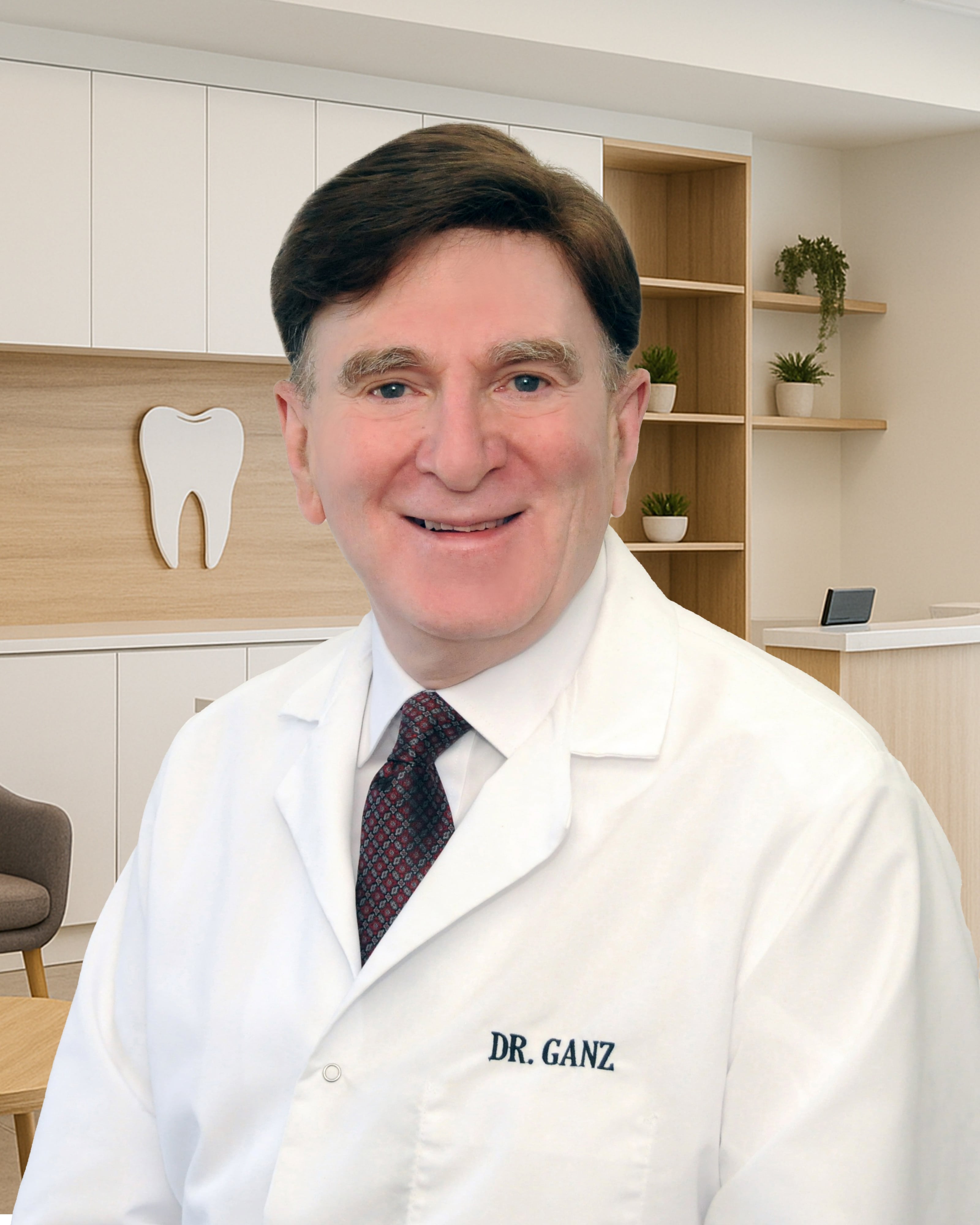
Cary Ganz DDS
Dr. Cary H. Ganz is a dentist, prosthodontist, entrepreneur, lecturer, and author with more than 50 years of experience in clinical dentistry and dental technology. Throughout his career, he has combined hands-on patient care with a deep understanding of how technology can improve dental practice operations, communication, documentation, and patient outcomes.
In addition to his clinical background, Dr. Ganz has held significant leadership roles in the dental technology industry, including Past Owner and Vice President of Clinical Affairs at DEXIS Digital Radiography and Past Vice President of Clinical Affairs at Denticon Practice Management Software. His business experience includes product development, clinical strategy, dental software innovation, practice management solutions, and educating dental professionals on the effective use of technology in modern dentistry.
Today, Dr. Ganz continues to focus on creating practical technology solutions for dental practices, including PractCom, a comprehensive dental practice communication platform designed to improve patient communication, documentation, compliance support, referrals, and overall practice efficiency. His work reflects a career-long commitment to helping dentists deliver better care while making their practices more organized, efficient, and protected.
No responses yet