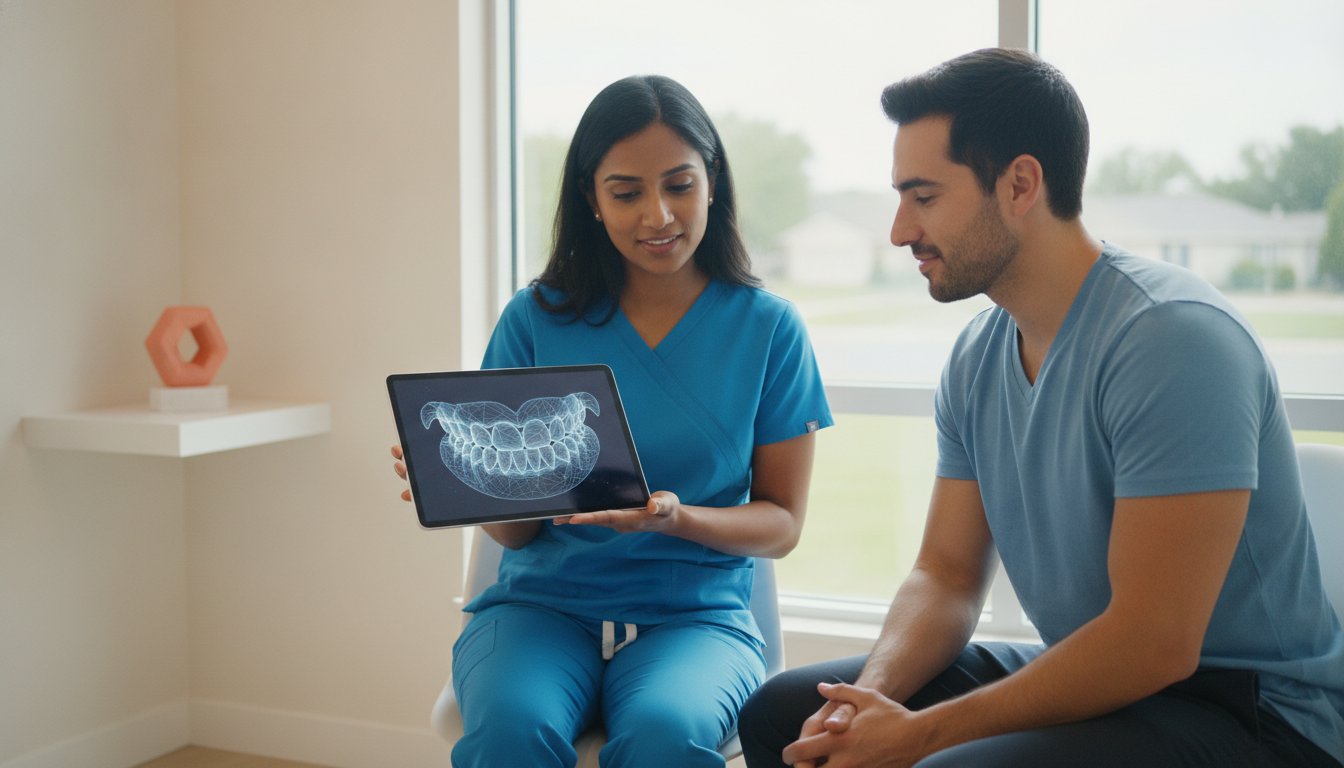
Did you know that while top-performing dental practices achieve a 99% patient retention rate, the industry average remains stuck at a staggering 57%? This gap often stems from a breakdown in communication rather than a lack of clinical skill. You’ve likely experienced the frustration of presenting a necessary treatment plan only to see the patient hesitate because they can’t visualize the outcome or don’t fully grasp the risks. It’s a common operational stressor that leads to high rejection rates, making the integration of modern patient consultation tools for dentists a critical priority for your practice’s health.
We understand that your time is best spent on patient care, not fighting with manual documentation or worrying about the latest regulatory shifts. This 2026 buying guide will show you how to select and implement tools that bridge the gap between your clinical recommendations and patient acceptance. We’ll explore how to standardize your clinical communication, navigate the mandatory HIPAA encryption updates, and use multi-language support to reach a diverse patient base. You’ll learn how a dedicated communication layer can provide the psychological security of bulletproof legal documentation while significantly driving up your case acceptance rates and reducing post-op emergency calls.
Key Takeaways
- Modern patients expect digital-first interactions, making the shift from “selling” to facilitating informed health decisions essential for practice stability.
- You’ll discover how the right patient consultation tools for dentists use visual smile design to turn complex clinical recommendations into clear, accepted treatment plans.
- Learn why a dedicated communication layer provides more depth than standard PMS modules, offering 80+ templates that ensure your instructions aren’t lost in translation.
- Standardizing your post-op care with instructions in 15 languages reduces administrative friction and prevents the human errors that lead to emergency calls.
- Secure your reputation with digital informed consent forms that create bulletproof documentation and meet the heightened security requirements proposed for 2026.
The Evolution of Dental Patient Consultations in 2026
The dental landscape in 2026 has moved past the era of “selling” treatments. Instead, successful practitioners are now facilitators of informed health decisions. This shift is driven by a patient base that is more informed and more demanding than ever before. With industry-wide retention rates averaging only 57%, the difference between a thriving practice and a struggling one often comes down to communication. Utilizing modern patient consultation tools for dentists allows you to meet these expectations by providing the visual and immediate clarity that today’s patients require.
Communication gaps are expensive. Research indicates that a single no-show per day can drain between $20,000 and $70,000 in annual revenue. Beyond the financial loss, poor communication leads to post-operative confusion and clinical anxiety. As Teledentistry and virtual consultations become standard expectations, moving beyond verbal explanations is no longer optional. You need standardized digital assets that bridge the gap between your clinical expertise and the patient’s understanding while meeting new 2026 regulatory standards for data encryption.
The Psychology of the Modern Dental Patient
Visual aids are essential for reducing patient anxiety. When a patient sees a high-resolution cosmetic visualization or a clear diagnostic image, their perceived value of the treatment increases instantly. During chairside presentations, patients often experience information overload. They might nod in agreement but forget the majority of clinical details the moment they leave the operatory. This is why written, digital follow-ups are non-negotiable for treatment acceptance. Providing clear, visual documentation allows patients to review recommendations in a low-pressure environment, which directly correlates with higher case acceptance.
Administrative Friction vs. Clinical Excellence
Many clinicians avoid presenting complex, high-value cases because the documentation burden is simply too high. This administrative friction creates a bottleneck that limits your practice’s growth and leads to practitioner burnout. By implementing automated systems, you can shift your focus back to clinical excellence. Standardized communication doesn’t just save time; it protects your practice reputation and legal standing. When every patient receives the same high-quality, professional instructions, it builds a level of trust that manual notes cannot match. You can explore how a dedicated communication layer helps resolve these operational bottlenecks and improves practice results.
Essential Categories of Patient Consultation Tools
While many practices focus heavily on back-office billing and insurance claims, the most significant revenue growth occurs at the point of care. Efficiency in the front office is helpful; however, it’s the clinical communication in the operatory that determines case acceptance. To bridge the gap between your expertise and the patient’s hesitation, you must implement a specific stack of patient consultation tools for dentists. These tools transform abstract clinical concepts into tangible, understandable outcomes.
Modern consultation success relies on three pillars: visual clarity, legal protection, and standardized follow-up care. By using a dedicated communication layer that sits alongside your existing practice management software, you ensure that no detail is lost in the high-pressure environment of a busy clinic. This approach moves your practice from a reactive stance to a proactive, systematic model of patient engagement.
Visual Communication and Smile Design
Smile design is a clinical visualization tool that fosters an emotional connection by allowing patients to see their future aesthetic results before the first procedure. In high-value cosmetic cases, the “imagination gap” is often the primary reason for treatment rejection. Digital mock-ups bridge this gap by providing a concrete preview of the final result, which reduces patient anxiety and builds immediate trust. When patients see their own “before-and-after” visuals, the perceived value of the treatment shifts from a cost to an investment in their self-confidence.
Standardized Post-Treatment Libraries
One of the greatest operational risks in a dental practice is the inconsistency of verbal instructions. A “one size fits all” approach to post-operative care often leads to confusion and unnecessary emergency calls. Utilizing a library of 80+ standardized templates ensures that every patient receives precise, procedure-specific guidance every time. This systematic oversight is bolstered by multi-language support. In a diverse national market, providing instructions in 15 different languages is an ethical and professional necessity. It ensures that language barriers don’t compromise clinical outcomes or patient safety.
- Digital Informed Consent: Protects your reputation by ensuring patients fully understand risks and alternatives through clear, digital documentation.
- Referral Management: Strengthens specialist relationships by providing a structured way to share clinical data and treatment progress.
- Patient Portals: Offers a central hub for patients to access their records and instructions, reducing the administrative load on your front-desk team.
Implementing these categories creates a comprehensive ecosystem where clinical necessity meets administrative efficiency. Discover how these categories integrate seamlessly into your practice by accessing our full library of resources.
Specialized Communication Suites vs. Native PMS Features
Many dental business owners fall into the “all-in-one” trap. It’s tempting to believe that your Practice Management Software (PMS) can handle every aspect of your business, from billing to clinical education. However, native PMS modules often suffer from the “Jack of all trades” problem. They prioritize scheduling and revenue cycle management while leaving patient consultation tools for dentists as an afterthought. These built-in features frequently lack the clinical depth and user-centric design required to actually influence a patient’s decision-making process.
Specialized communication suites function as a dedicated layer that sits alongside your existing software. While a PMS provides the structural foundation for your practice, a dedicated platform provides the specialized content-such as a library of 80+ post-treatment templates-that a general module simply cannot match. This separation of concerns ensures that your clinical communication remains professional, standardized, and legally robust without being limited by the clunky legacy interfaces of older management systems.
Why a Dedicated Platform Beats a General Module
The primary difference lies in the focus of the tool. Most native PMS modules are designed for simple appointment reminders and basic texting. In contrast, a dedicated platform focuses on deep clinical documentation and risk management. You need more than a “ready for your cleaning” text; you need digital informed consent forms and procedure-specific explainers that protect your reputation. Using a specialized platform like PractCom allows you to access deeper analytics on patient engagement. You can track exactly which instructions are being read and which referral partners are most active, providing a level of systematic oversight that general modules overlook.
Evaluating ROI: Efficiency vs. Software Cost
Strategic growth requires looking beyond the monthly subscription fee to the total cost of ownership. Manual follow-ups and the physical printing of instructions are hidden time-sinks that drain your team’s productivity. Automating these tasks through a specialized layer creates immediate administrative warmth and efficiency. Consider the financial impact of no-shows and treatment cancellations. Research indicates that automated reminders can reduce no-shows by an average of 22.95%. For a practice where a single daily no-show can result in up to $70,000 in lost annual revenue, the ROI of a specialized tool is undeniable.
- Language Depth: Specialized tools offer support for 15+ languages, ensuring compliance and clarity for diverse populations.
- Standardization: You move from the inconsistency of human memory to a reliable, automated system.
- Legal Security: Dedicated suites are built to meet the 2026 HIPAA mandates for mandatory ePHI encryption and multi-factor authentication.
For DSOs and growing practices, this specialized layer isn’t just an add-on; it’s an ethical and professional necessity. It bridges the gap between clinical recommendation and patient acceptance by providing the visual and technical precision that legacy software lacks.
Implementing a High-Conversion Consultation Workflow
High-performing practices don’t view communication as a soft skill; they treat it as a repeatable, technical workflow. To move from the industry average 57% retention rate toward the 99% achieved by top clinics, you must standardize every touchpoint. Integrating patient consultation tools for dentists into your daily routine ensures that clinical excellence is matched by administrative precision. This systematic approach removes the “imagination gap” and replaces it with a structured path to treatment acceptance.
A high-conversion workflow follows five distinct steps. First, use chairside visualization to establish the aesthetic or functional goal. Second, secure the legal foundation through digital consent. Third, deliver automated, procedure-specific post-op instructions via SMS or email. Fourth, manage specialist referrals through a transparent digital system to prevent “lost” cases. Finally, monitor your practice performance via a dashboard to identify where patients might be dropping out of the care cycle.
Securing Bulletproof Informed Consent
Modern risk management requires more than a signed piece of paper. A digital consent form must include clear explanations of risks, benefits, and alternatives in a language the patient understands. Using digital signatures doesn’t just streamline the “paperless” office; it creates a timestamped, unalterable record that protects your reputation. To ensure your practice meets the latest standards, read more about digital dental informed consent forms. This level of documentation is essential for navigating the 2026 HIPAA updates, which mandate strict encryption for all electronic Protected Health Information (ePHI).
The Post-Consultation Follow-up
The consultation doesn’t end when the patient leaves the chair. Many patients need a “second touch” to process complex treatment plans. Automating this follow-up via text or email allows you to re-engage patients who didn’t book immediately without adding to your front-desk workload. It’s vital to provide both printable and digital options to accommodate all demographics. For example, sending post-treatment instructions in one of 15 supported languages ensures that non-English speaking patients feel cared for and safe.
Security is paramount in these communications. Under the 2026 HIPAA Security Rule, the previous “addressable” designation for encryption has been removed. Every text and email containing patient data must be encrypted in transit. By using a specialized communication layer, you ensure that every automated touchpoint is compliant, reducing the risk of the shortened 72-hour breach notification window. It’s about moving from operational disorganization to a state of systematic control. You can start building your high-conversion workflow today with our all-in-one platform.

Choosing PractCom as Your Clinical Communication Partner
While marketing tools focus on getting patients to your door, real practice growth happens once they are in your chair. You need a system that addresses the active patient phase with clinical depth and technical precision. PractCom provides the most comprehensive suite of patient consultation tools for dentists available in 2026. This isn’t just a basic messaging app. It’s a dedicated communication layer designed to protect your reputation and improve clinical outcomes through systematic oversight.
The strength of the platform lies in its ability to eliminate the inconsistencies of manual documentation. By providing a library of 80+ standardized post-treatment templates, we ensure that every patient receives the same high level of care instructions. Language barriers are no longer a risk factor because our system supports 15 different languages via email, text, or print. This ensures your clinical recommendations are understood by every segment of your patient population.
- Referral Management: Strengthen specialist relationships with a robust system that tracks clinical data and treatment progress in real time.
- Smile Design: Use integrated before-and-after tools to visualize cosmetic changes and foster an emotional connection with your patients.
- Performance Dashboard: Monitor patient engagement and practice performance to identify exactly where your consultation workflow can be optimized.
Built by Dental Professionals for Dental Professionals
We understand the unique stresses of a high-pressure clinical environment. Human memory is fallible, and manual documentation often fails under the weight of a busy schedule. PractCom functions as your guardian of reputation and legal standing by standardizing every interaction and ensuring compliance with 2026 HIPAA mandates. This approach provides the psychological security you need to focus on care. For larger organizations looking to maintain consistency across multiple locations, you can explore the PractCom for DSOs features for scaling practices.
Get Started with Seamless Patient Communication
PractCom is the clinical layer your PMS is missing. It doesn’t replace your practice management software; it enhances it by providing the specialized resources needed for high-conversion consultations. We’ve focused on reducing operational resistance through extreme ease of use and a logical, benefit-driven interface. You can transform your patient consultations today and move from the anxiety of manual tasks to the confidence of a standardized, professional system.
Future-Proof Your Practice with Systematic Communication
The dental landscape of 2026 demands a transition from simple clinical care to a comprehensive patient experience. You’ve learned that bridging the gap between a recommendation and a “yes” requires more than verbal skill; it necessitates a structured digital ecosystem. By implementing specialized patient consultation tools for dentists, you replace operational disorganization with systematic control. This shift not only secures your legal standing through digital informed consent but also elevates patient trust using integrated smile design visualizations.
Standardizing your workflow with 80+ post-treatment templates in 15 languages ensures that your clinical excellence isn’t lost in translation or forgotten after the appointment. These tools function as a guardian of your reputation while significantly reducing the administrative burden on your team. It’s time to move beyond the limitations of legacy systems and embrace a dedicated communication layer that drives case acceptance and practice stability.
Elevate your practice with PractCom’s communication suite and start building the high-conversion workflow your clinical expertise deserves. Your patients, and your staff, will thank you for the clarity and confidence this system provides.
Frequently Asked Questions
Do I need patient consultation tools if I already have a PMS?
Yes, because most Practice Management Software platforms focus on billing and scheduling rather than deep clinical communication. While your PMS handles the structural foundation, specialized patient consultation tools for dentists provide the specific libraries and visualizations needed to drive case acceptance. These dedicated layers offer 80+ templates and multi-language support that native modules typically lack. This ensures your practice maintains a higher standard of clinical documentation and patient education.
How do digital consent forms help with dental risk management?
Digital consent forms provide a standardized, unalterable record of the informed consent process. They ensure that every patient receives a clear explanation of risks, benefits, and alternatives before a procedure begins. By moving away from paper, you eliminate the risk of lost or illegible documents. This systematic approach creates a bulletproof legal audit trail. It’s an essential component for meeting the 2026 HIPAA mandates regarding secure electronic record keeping and encryption.
Can I send post-op instructions in languages other than English?
Yes, PractCom allows you to send all documents, including post-treatment instructions, in 15 different languages. You can deliver these via email, text, or physical print to accommodate diverse patient populations. This feature is a critical differentiator that reduces post-operative anxiety and prevents clinical complications caused by language barriers. Providing instructions in a patient’s primary language builds immediate trust and ensures that your care recommendations are followed accurately at home.
Is smile design software only for cosmetic dentists?
No, smile design is a powerful tool for any dentist who wants to bridge the “imagination gap” during consultations. While it’s excellent for high-value cosmetic cases, it also helps general practitioners explain the functional benefits of restorative work. Visualizing “before-and-after” changes fosters an emotional connection and helps patients understand the long-term value of their investment. It transforms abstract clinical descriptions into a tangible reality that patients can see and accept.
How does a referral management system improve GP-specialist communication?
A referral management system creates a transparent, digital bridge between general practitioners and specialists. It allows for the seamless sharing of clinical data, treatment progress, and diagnostic images within a secure environment. By centralizing this communication, you prevent cases from “falling through the cracks” and ensure that the patient experience remains consistent across different offices. This structured oversight improves professional relationships and guarantees that specialists have all the necessary information for successful outcomes.
Are digital signatures on dental consent forms legally binding?
Yes, digital signatures are legally binding and offer greater security than traditional paper signatures. They provide an unalterable, timestamped record of the patient’s agreement to the treatment plan. This level of technical precision is vital for defending your practice against potential litigation. Because these signatures are integrated into a secure, HIPAA-compliant system, they meet the highest standards for legal documentation and regulatory reassurance in a modern clinical setting.
Does PractCom integrate with my existing dental software?
PractCom is designed to function as a dedicated communication layer that sits alongside your current Practice Management Software. It doesn’t replace your PMS; it enhances it by providing the clinical depth and educational resources that standard modules lack. This specialized focus allows for a seamless transition between clinical necessity and administrative efficiency. It reduces operational resistance by offering a modern, tech-savvy interface that integrates logically into your existing daily workflows.
How do automated follow-ups reduce my front-desk workload?
Automated follow-ups eliminate the need for your staff to manually call or text patients for post-operative check-ins. By scheduling procedure-specific messages, the system ensures that every patient receives timely care instructions without additional labor. This reduces the volume of inbound phone calls and emergency inquiries, allowing your team to focus on high-priority tasks. It’s a practical remedy for the administrative failures and human errors that often occur in a high-pressure clinical environment.
Article by
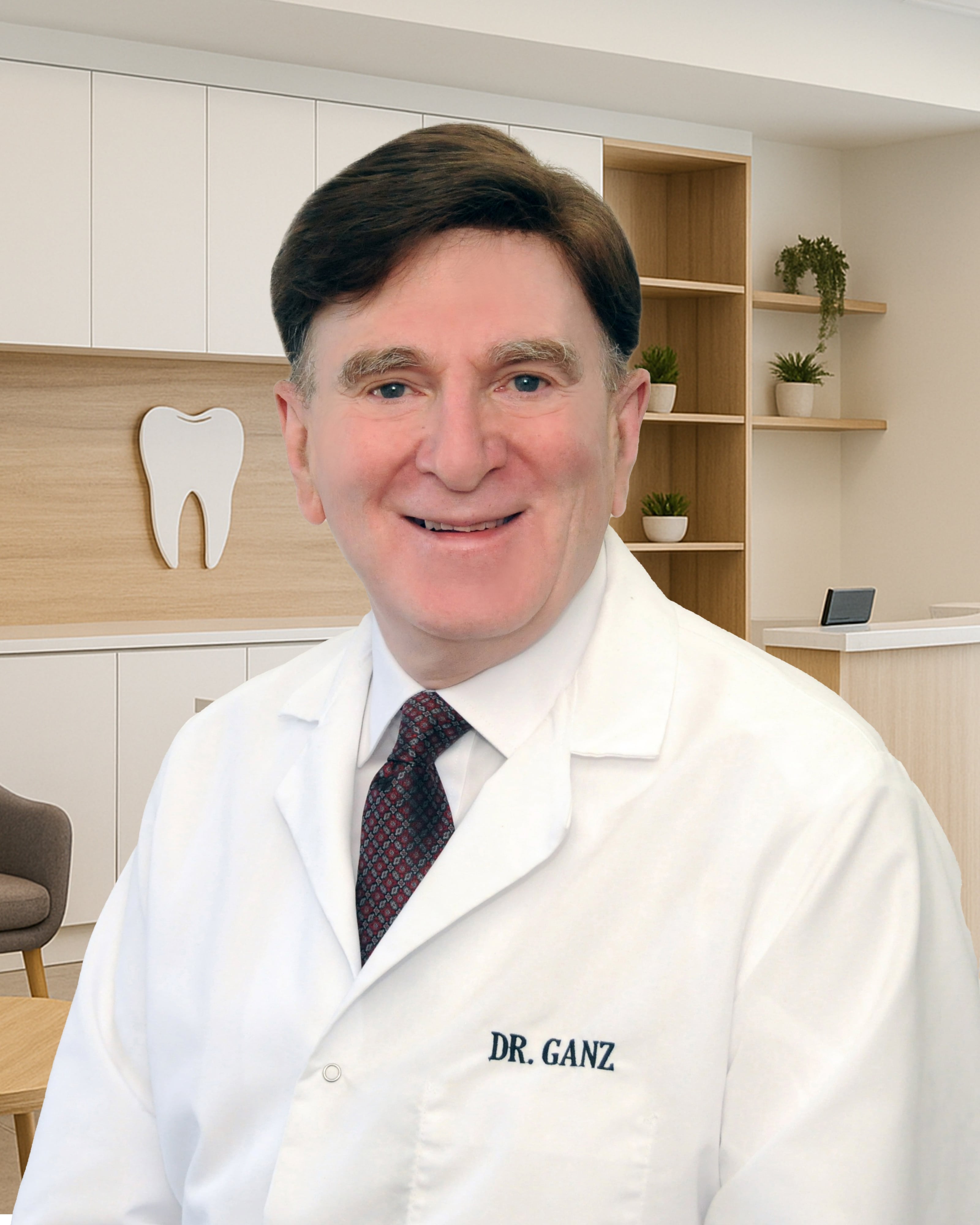
Cary Ganz DDS
Dr. Cary H. Ganz is a dentist, prosthodontist, entrepreneur, lecturer, and author with more than 50 years of experience in clinical dentistry and dental technology. Throughout his career, he has combined hands-on patient care with a deep understanding of how technology can improve dental practice operations, communication, documentation, and patient outcomes.
In addition to his clinical background, Dr. Ganz has held significant leadership roles in the dental technology industry, including Past Owner and Vice President of Clinical Affairs at DEXIS Digital Radiography and Past Vice President of Clinical Affairs at Denticon Practice Management Software. His business experience includes product development, clinical strategy, dental software innovation, practice management solutions, and educating dental professionals on the effective use of technology in modern dentistry.
Today, Dr. Ganz continues to focus on creating practical technology solutions for dental practices, including PractCom, a comprehensive dental practice communication platform designed to improve patient communication, documentation, compliance support, referrals, and overall practice efficiency. His work reflects a career-long commitment to helping dentists deliver better care while making their practices more organized, efficient, and protected.
No responses yet