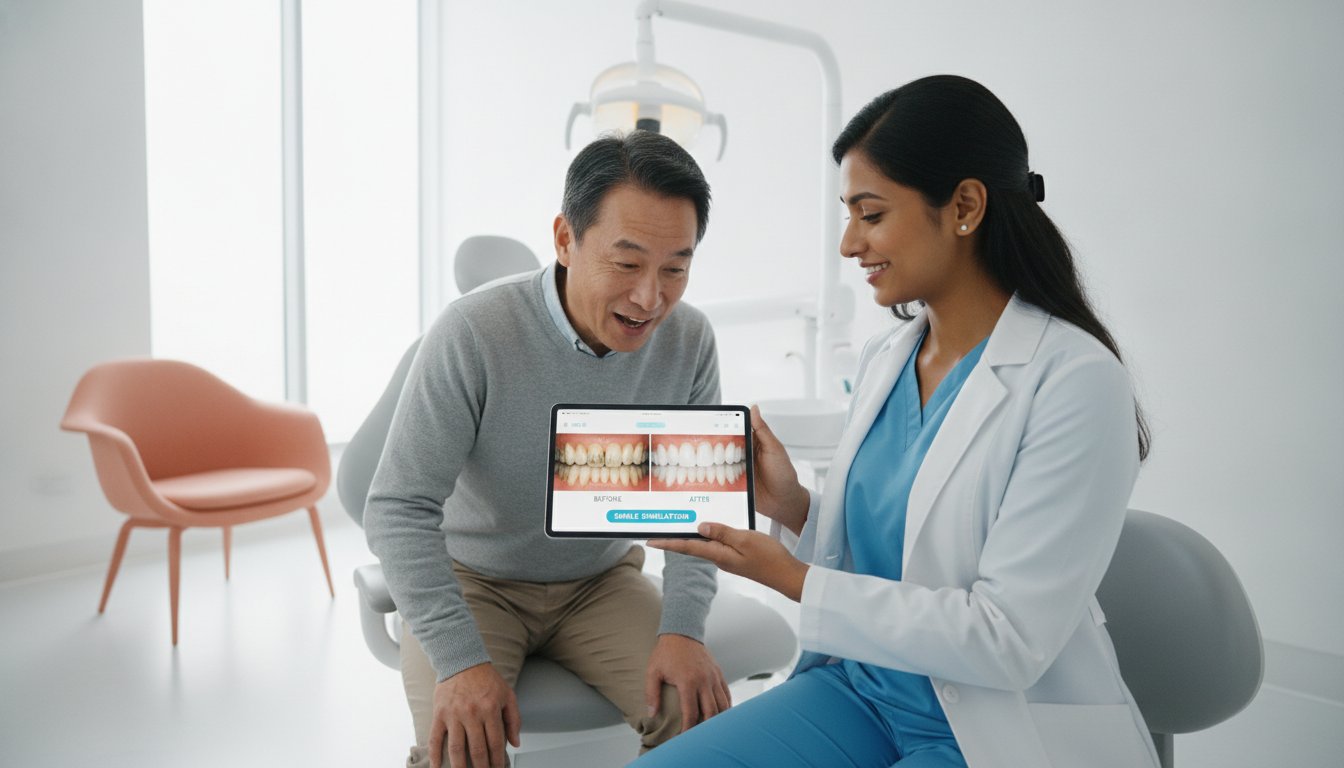
What if the primary barrier to your patient’s “yes” isn’t the cost of the procedure, but the lack of a shared visual reality? You’ve likely felt the frustration of presenting a perfect clinical plan only to be met with hesitation or unrealistic expectations. It’s a common stressor in high-value cosmetic cases where verbal descriptions fail to bridge the gap between your expertise and the patient’s anxiety. Integrating dental smile simulation software into your workflow isn’t just about aesthetic design; it’s about providing the psychological security your patients need to move forward with confidence.
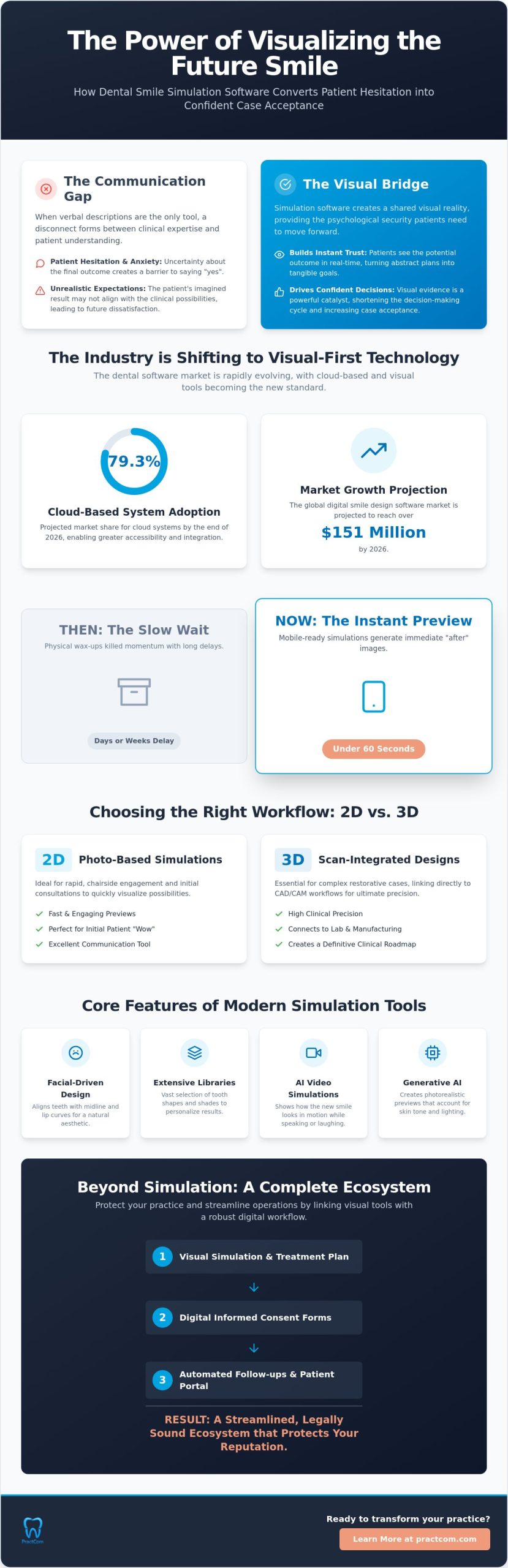
We understand that your time is a finite resource and administrative friction can stall clinical progress. This article will show you how to leverage simulation technology to build immediate patient trust, improve your clinical documentation, and drive significant growth for your practice. We’ll explore the shift toward cloud-based systems, which are projected to hold 79.3% of the dental software market by the end of 2026. You’ll learn how to link these visual tools with digital consent forms to create a streamlined, legally sound ecosystem that protects your reputation and simplifies your daily operations.
Key Takeaways
- Learn how to leverage dental smile simulation software to convert patient hesitation into confidence by visualizing aesthetic outcomes in real-time.
- Identify the critical differences between 2D photo-based simulations for chairside engagement and 3D scan-integrated workflows for complex restorative precision.
- Protect your professional reputation and manage patient expectations by linking every visual simulation to a robust digital informed consent system.
- Streamline your operational efficiency by integrating automated follow-ups and patient portals to maintain treatment momentum after the initial consultation.
What is Dental Smile Simulation Software?
Dental smile simulation software is more than a design utility; it’s a sophisticated digital communication tool designed to align clinical possibilities with patient desires. In 2026, this technology has evolved from static imaging into a dynamic, AI-driven experience that bridges the gap between a diagnosis and a patient’s emotional commitment. While 2D simulations offer rapid, photo-based previews for initial engagement, 3D integrated designs link directly to CAD/CAM workflows for restorative precision. This shift from lab-centric design to chairside interaction allows you to address patient anxiety immediately. It turns a vague treatment plan into a tangible visual reality. By 2026, the global digital smile design software market is projected to reach over $151 million, reflecting a massive industry shift toward these high-utility visual aids.
The Evolution of Aesthetic Communication
The transition from physical wax-ups to digital overlays has fundamentally changed the speed of clinical consultations. In the past, patients waited days or weeks to see a physical model of their future smile. That delay kills momentum. Today, visual-first communication is a requirement in any high-pressure clinical setting. Modern dental smile simulation software allows you to generate mobile-ready previews in under 60 seconds. This efficiency reduces the operational resistance often found in traditional workflows, where the delay between the pitch and the visualization often leads to lost interest. You can now provide an immediate “after” image while the patient is still in the chair. This significantly shortens the decision-making cycle.
Core Features of Modern Simulation Tools
Modern tools go beyond simple tooth placement by utilizing facial-driven design principles. This means the software automatically aligns tooth position with the patient’s midline and lip curves to ensure a natural aesthetic. You can access extensive libraries of tooth shapes and shades to personalize results for every unique case. High-end systems now incorporate AI-powered video simulations that show biometric motion. This gives patients a preview of how their new smile looks while they speak or laugh. Visuals drive decisions. For complex orthodontic cases, many practitioners reference established systems like SureSmile technology to understand how 3D imaging and software can precisely plan tooth movement. These features transform the simulation from a “guess” into a clinical roadmap that supports both patient trust and legal documentation. In 2026, the integration of generative AI allows for photorealistic previews that account for skin tone and lighting. It ensures the patient sees a result that feels achievable and honest.
Why Your Practice Needs Smile Simulation in 2026
Patients often struggle to visualize the final results of complex restorative work. When you rely solely on verbal descriptions, you risk a disconnect between your clinical vision and the patient’s imagination. In 2026, dental smile simulation software bridges this gap by moving the conversation from “explaining” treatment value to “showing” it. This visual evidence is a powerful catalyst for case acceptance. It transforms a high-value quote into a tangible life improvement. Beyond the initial “yes,” this technology standardizes clinical goals. It ensures that you, your patient, and your dental lab are all working toward the same aesthetic target from day one. This alignment prevents the frustration of costly re-works and mid-treatment changes.
Marketing your practice also benefits from these visual milestones. Patients who see a photorealistic preview of their future smile are far more likely to share that image with family or on social media. These “wow” moments act as organic referrals, positioning your practice as a modern, tech-forward leader in your community. In a competitive market, being the practitioner who provides a clear, visual roadmap is a significant differentiator.
The ROI of Visual Treatment Planning
The return on investment for visual planning is found in the increase of high-value cosmetic starts, such as veneers and full-arch implants. For practices looking to scale these procedures through specialized outreach, 10X Dental Marketing provides high-impact marketing campaigns tailored for full-arch implant cases. By providing a clear roadmap, you significantly reduce buyer’s remorse and post-treatment complaints that stem from mismanaged expectations. A streamlined workflow means fewer “think about it” delays and more immediate commitments. ROI in this context is the measurable reduction in chair time spent on repetitive consultations and trial-and-error adjustments. This efficiency allows your team to focus on production rather than administrative persuasion.
Building Long-Term Clinical Trust
You serve as a stabilizing force in the patient’s journey when you provide psychological security through predictable outcomes. Transparency in the planning phase reduces operational resistance during the actual procedure. Patients feel more in control when they understand the roadmap, including the realistic limitations of treatment. Using dental smile simulation software to discuss these boundaries prevents future disputes and builds a foundation of professional integrity. When patients see that you’ve accounted for their unique facial proportions and lip dynamics, they trust your clinical judgment more deeply. To see how these tools integrate into a broader communication strategy, you can explore our patient engagement solutions to further solidify this bond of trust.
Evaluating Smile Design Software: 2D vs. 3D Workflows
Choosing the right dental smile simulation software requires a pragmatic approach that balances clinical necessity with administrative efficiency. Many practitioners assume they need a high-end intraoral scanner to begin, but that isn’t always the case. Your choice should depend on where you are in the patient’s journey. 2D photo-based simulations are the ultimate tools for rapid chairside engagement. They allow you to create a “trial smile” in seconds, making them perfect for social media marketing and initial consultations. Because they require no specialized hardware beyond a camera, the barrier to entry is virtually non-existent.
For complex restorative cases, 3D scan-integrated workflows become essential. These systems link your visual design directly to lab production, ensuring that the final result matches the biological reality of the patient’s bone and gingiva. The decision between cloud-based and local software also impacts your team’s agility. Cloud platforms, which represent nearly 80% of the dental software market in 2026, enable seamless collaboration between your front office and the clinical team. This accessibility ensures that your patient’s visual roadmap is available on any device, from mobile-first apps for chairside chats to high-performance desktop suites for detailed CAD/CAM planning.
When to Use 2D Simulations
2D simulations are your best asset for the “discovery” phase of a consultation. They provide an instant visual hook that builds emotional investment before you’ve even picked up a handpiece. It’s about speed and simplicity. You can generate a photorealistic preview while the patient is still in the chair, eliminating the momentum-killing wait for a lab wax-up. This workflow is highly effective for veneers or whitening cases where the primary goal is aesthetic visualization rather than structural reconstruction.
The Role of 3D and CBCT Integration
3D integration moves the conversation from “looks good” to “is clinically achievable.” By overlaying simulations with CBCT data, you ensure that the proposed aesthetic doesn’t compromise functional integrity. This level of precision is vital for full-arch rehabilitations and implant cases. It’s also a critical component of your risk management strategy. Integrating these visuals with digital dental informed consent forms ensures that patients understand the simulation is a clinical goal based on their specific anatomy. This standardized approach protects your practice from the legal risks associated with unrealistic expectations.
Risk Management: Bridging Simulation and Reality
While dental smile simulation software is a powerful conversion tool, it also introduces a specific clinical risk: the gap between a digital preview and the biological reality. To protect your practice, every visual you present must be anchored by a clear “Simulation Disclaimer.” You need to ensure the patient understands that the simulation represents a clinical goal rather than a guaranteed outcome. This transparency is an ethical necessity that prevents future disputes. By documenting the aesthetic plan and storing simulations within a secure patient portal, you create a verifiable trail of clinical accountability that protects your reputation and your license.
Managing expectations doesn’t end when the patient says “yes.” You must support the final result with clear communication throughout the healing and maintenance phases. Using automated dental post-op instructions ensures that the patient follows the necessary protocols to maintain the integrity of the restorative work. This systematic approach reduces the operational stress of answering repetitive aftercare questions while reinforcing the value of the treatment. It moves your practice from a reactive state to a proactive, controlled environment.
Digital Informed Consent for Cosmetic Procedures
Paper forms often fail in the modern cosmetic workflow because they lack the specificity required for complex aesthetic cases. You shouldn’t rely on generic forms that don’t address potential revisions, shade variations, or specific biological limitations. Standardizing your consent process allows you to include clauses that specifically reference the dental smile simulation software results as a target, not a contract. We provide a comprehensive solution to this administrative burden through PractCom’s library of 80+ templates, which are professionally designed to provide robust documentation for every clinical scenario. This level of detail transforms consent from a bureaucratic hurdle into a protective shield.
Ensuring HIPAA Compliance in Visual Sharing
Texting simulation photos or videos via personal devices is a significant regulatory risk that many practitioners overlook in a high-pressure setting. HIPAA compliance requires that Protected Health Information (PHI), including identifiable facial images, be shared through secure, encrypted channels. A dedicated patient portal is the only professional way to share “before and after” previews or treatment roadmaps. Using secure messaging protects your practice reputation by demonstrating a commitment to patient privacy and data integrity. It replaces the chaos of fragmented, non-secure communication with an organized, compliant system that builds long-term trust. To see how our platform can secure your practice and streamline your visuals, get started with our all-in-one patient communication suite.
The PractCom Advantage: Beyond the Visual Design
A standalone app for dental smile simulation software provides a visual “wow” moment, but it often leaves a gap in the administrative journey. A growing practice needs a comprehensive system that handles the design and the subsequent patient management. PractCom offers an integrated suite that moves seamlessly from smile design showing before and after changes to automated patient follow-ups. This ensures that the momentum generated during the visual presentation isn’t lost to administrative friction. You can use our Performance Dashboard to track exactly how these simulations convert into completed treatments. This gives you the data needed to refine your consultation process and identify where patients might be dropping off.
Clarity is the foundation of trust. Our platform supports email and text communication in 15 different languages. This feature allows you to communicate complex aesthetic goals to a diverse patient base without the risk of translation errors. When a patient receives a treatment roadmap in their native language, their anxiety decreases and their confidence in your practice grows. It’s a systematic way to ensure every patient feels seen and understood throughout their cosmetic journey. By removing language barriers, you reduce operational resistance and open your practice to a wider demographic of high-value cases.
Closing the Communication Loop
PractCom is designed to bridge the gap between the first “yes” and the final result. We link the initial simulation directly to the final clinical steps. You can reduce emergency calls by providing clear aftercare automation that guides patients through their recovery. This provides the “administrative warmth” that keeps patients returning. It shows that your care extends beyond the chair, providing psychological security when the patient is at home. This loop ensures that the aesthetic goal you visualized together is maintained through proper post-treatment compliance.
Ready to Modernize Your Practice?
You don’t need a full PMS overhaul to start using these advanced communication tools. PractCom is built to integrate with your existing workflows, allowing you to deploy our smile design tool and documentation library immediately. It’s a pre-emptive strike against the operational disorganization that often plagues busy clinics. If you’re ready to see a significant shift in your clinical communication and case acceptance, start your free trial with PractCom today and experience the power of a truly integrated patient communication platform. It’s time to move from manual tasks to the confidence of a standardized, professional system.
Standardize Your Success with Visual Communication
Adopting dental smile simulation software is a decisive step toward eliminating the clinical and administrative friction that often stalls case acceptance. You’ve seen how visual certainty transforms the patient journey from one of hesitation to one of shared confidence. By anchoring every aesthetic design in a framework of clear documentation and secure communication, you create a practice environment that is both predictable and professional. It’s about moving away from the limitations of verbal descriptions and toward a standardized system of visual reality.
PractCom offers the specific tools required to manage this transition without adding to your operational stress. Our ecosystem includes an integrated smile design suite and a secure patient portal to maintain a clear, accessible record of every treatment roadmap. With more than 80 post-treatment templates and digital consent forms available in 15 languages, you can provide an exceptional level of care while maintaining strict regulatory compliance. This comprehensive approach ensures that your clinical expertise is always backed by administrative precision.
Take control of your practice’s growth with a system that protects your time and your reputation. Streamline your cosmetic workflow with PractCom and start your free trial today. We’re ready to help you build a more efficient, visual-first clinical future.
Frequently Asked Questions
Is dental smile simulation software legally binding?
No, simulations are not legally binding contracts for a specific clinical outcome. They are digital communication tools designed to establish aesthetic goals and manage expectations. To protect your practice, you must use a signed informed consent form that explicitly states the simulation is a target rather than a guarantee. This documentation anchors the visual expectation in a legal framework and protects your professional reputation.
Do I need an intraoral scanner to use smile design software?
You don’t need an intraoral scanner to begin using 2D dental smile simulation software. Photo-based systems allow you to generate previews using only a high-quality portrait of the patient. However, if you want to transition to 3D restorative or orthodontic workflows, an intraoral scanner becomes an essential requirement for capturing the precise biological data needed for lab integration and CAD/CAM production.
How long does it take to create a smile simulation for a patient?
Modern AI-driven tools allow you to create a 2D simulation in under 60 seconds during a chairside consultation. This speed is a critical business requirement that prevents the loss of patient momentum. More complex 3D designs that integrate with CBCT data or full-arch planning may require 10 to 15 minutes of detailed work, depending on the restorative complexity of the case.
Can I share smile simulation videos with patients to their phones?
You can share simulation videos with patients, but it’s vital to use a secure patient portal rather than non-encrypted personal messaging. Sharing identifiable facial images via standard SMS carries significant HIPAA risks. Using a dedicated platform ensures that the patient can view their “wow” moment on their phone while your practice remains compliant with data privacy regulations and maintains professional standards.
What is the difference between 2D and 3D smile design?
2D smile design uses flat photos to provide a rapid aesthetic preview, making it ideal for initial engagement and social media marketing. 3D smile design integrates with intraoral scans to create a volumetrically accurate model. While 2D focuses on the visual “look,” 3D ensures the proposed changes are functionally achievable within the patient’s existing dental anatomy and can be sent directly to a lab for fabrication.
How much does dental smile simulation software cost in 2026?
Pricing varies based on the level of integration and features your practice requires. In 2026, entry-level 2D simulation subscriptions start at approximately $49 per month for the first year. Comprehensive 3D suites or AI-driven diagnostic platforms can range from $999 per year to over $299 per month. These costs act as a business investment that is often justified by the increased case acceptance rates for high-value cosmetic procedures.
Does smile simulation work for orthodontic cases like Invisalign?
Yes, smile simulation is an essential component of modern orthodontic consultations. It allows patients to visualize the final alignment of their teeth before committing to long-term clear aligner therapy. By showing the end result early, you reduce patient anxiety and establish a clear roadmap for the entire treatment process. This visualization often acts as the primary driver for aligner case starts in a competitive market.
How do I ensure my smile designs are clinically achievable?
To ensure designs are clinically achievable, you must align the dental smile simulation software design with the patient’s biological data, such as gingival levels and bone structure. High-end software allows you to overlay 2D designs onto 3D scans to verify that the proposed tooth positions are realistic. This systematic verification prevents the operational failure of promising an aesthetic result that cannot be safely delivered or maintained.
Article by
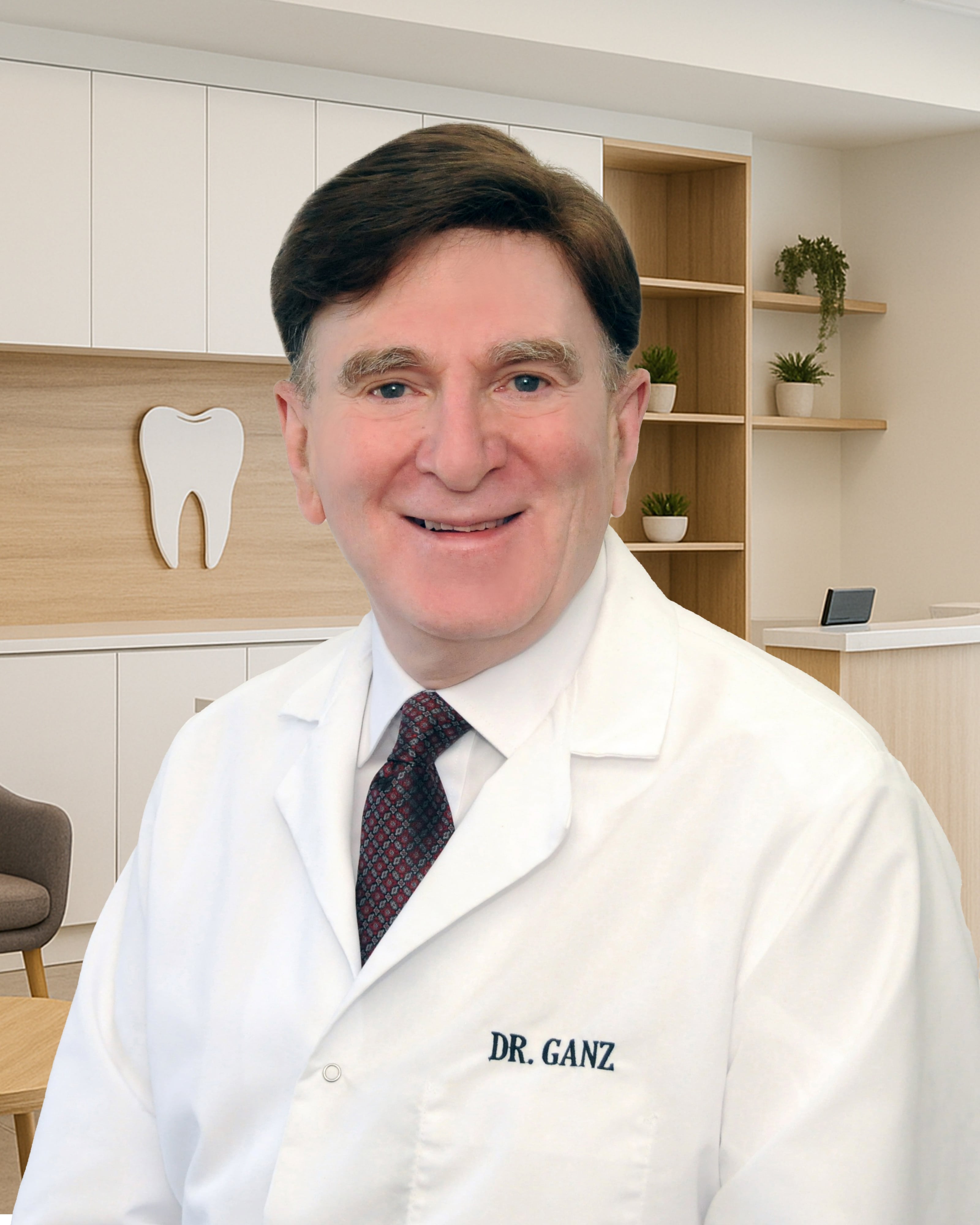
Cary Ganz DDS
Dr. Cary H. Ganz is a dentist, prosthodontist, entrepreneur, lecturer, and author with more than 50 years of experience in clinical dentistry and dental technology. Throughout his career, he has combined hands-on patient care with a deep understanding of how technology can improve dental practice operations, communication, documentation, and patient outcomes.
In addition to his clinical background, Dr. Ganz has held significant leadership roles in the dental technology industry, including Past Owner and Vice President of Clinical Affairs at DEXIS Digital Radiography and Past Vice President of Clinical Affairs at Denticon Practice Management Software. His business experience includes product development, clinical strategy, dental software innovation, practice management solutions, and educating dental professionals on the effective use of technology in modern dentistry.
Today, Dr. Ganz continues to focus on creating practical technology solutions for dental practices, including PractCom, a comprehensive dental practice communication platform designed to improve patient communication, documentation, compliance support, referrals, and overall practice efficiency. His work reflects a career-long commitment to helping dentists deliver better care while making their practices more organized, efficient, and protected.
No responses yet