
In a market where out-of-pocket payments account for 61.85% of the dental industry, your clinical skill is only half of the success equation. You likely know the frustration of a patient experiencing “sticker shock” during a consultation, or the sinking feeling of a post-op call from a dissatisfied patient whose expectations didn’t align with the final result. Effective cosmetic dentistry patient communication is no longer just a soft skill. It’s a documented professional necessity that protects your reputation and your bottom line in 2026.
You’ve worked hard to perfect your technique, yet administrative friction and visual misalignments can still lead to high no-show rates. This guide will help you master the clinical and visual communication strategies that turn aesthetic consultations into high-value treatment acceptance. We’ll examine how to leverage 3D smile design tools and automated follow-up systems to create a seamless, predictable ecosystem for your patients. By moving from manual tasks to a standardized system of digital consent and visual alignment, you’ll see higher acceptance rates and a significant reduction in post-treatment anxiety for both your team and your patients.
Key Takeaways
- Identify the unique emotional drivers of aesthetic patients to better align personal desires with clinical feasibility during the initial consultation.
- Utilize visual alignment tools like Smile Design to eliminate verbal ambiguity and create a shared, documented vision of the final aesthetic outcome.
- Strengthen your professional standing by integrating specialized cosmetic dentistry patient communication protocols and digital informed consent into every high-value case.
- Protect the “anxiety window” following major procedures by using automated follow-ups and localized post-treatment instructions to ensure a smooth recovery experience.
- Optimize your clinical workflow by consolidating visual aids, multi-language documentation, and patient engagement tools into one centralized, systematic platform.
The Psychology of Cosmetic Dentistry Patient Communication
In the high-stakes environment of 2026, Cosmetic dentistry is often viewed through the lens of clinical artistry, yet the foundation of every successful outcome is rooted in psychological alignment. We define cosmetic dentistry patient communication as the systematic process of reconciling a patient’s subjective desires with clinical feasibility. Unlike general restorative dentistry, where the primary goal is often the resolution of pain or functional decay, aesthetic procedures carry intense emotional weight. Patients aren’t just buying porcelain or composite; they’re investing in self-image, social confidence, and a perceived version of their best selves. This shift in motivation requires you to move from a service provider model to a deep, collaborative partnership.
Establishing a stabilizing force in the consultation room requires you to move beyond the traditional “sales” mindset. You’re acting as a clinical peer who understands the operational stresses of delivering perfection in an imperfect biological environment. By using empathy to bridge the gap between a patient’s vision and the physical realities of their case, you create a bond of shared professional experience. This holistic approach to patient care acknowledges that a beautiful smile is often part of a broader aesthetic journey, where professional skincare from Perfec-Tone can help patients achieve the complete, radiant look they envision. Effective cosmetic dentistry patient communication ensures that every team member speaks with a unified, authoritative voice, preventing the common industry pitfall of promising results that nature cannot sustain.
Addressing the Anxiety of Aesthetic Change
Aesthetic patients frequently grapple with a unique set of fears that can stall treatment acceptance or lead to post-operative regret. They worry about the physical pain of the procedure, the long-term financial commitment, and, most critically, the risk of an “unnatural” appearance. If a patient feels their concerns are dismissed as mere vanity, they’ll likely disengage. You must validate these fears using empathetic, technical language that respects their perspective. When you clearly articulate the steps taken to ensure a natural result, you provide the psychological security needed to reduce pre-treatment “buyer’s remorse.” Clear communication acts as a pre-emptive strike against the anxiety of permanent physical change.
Building Trust Through Professional Authority
Trust isn’t built on friendliness alone; it’s built on the perception of organized, protective authority. You aren’t a salesperson trying to hit a monthly quota. You’re a guardian of the patient’s long-term health and reputation. Implementing a structured dental patient experience framework allows you to demonstrate this authority consistently across every touchpoint. We define “Standardized Reassurance” as the use of clinical documentation and visual proof to provide a predictable, anxiety-free journey for every patient. This systematic oversight ensures that no part of the professional communication process is left to chance, reinforcing your role as a reliable professional ally and a forward-thinking clinician.
Visual Alignment: Bridging the Gap Between Expectation and Reality
Verbal descriptions are inherently subjective and frequently lead to clinical misalignments. When a patient requests a “natural” smile, their mental image may differ significantly from your clinical definition. In the high-pressure environment of aesthetic planning, relying solely on words is a risk to your reputation. Modern cosmetic dentistry patient communication relies on visual evidence to bridge this gap, ensuring that both the clinician and the patient are viewing the same destination before the first prep occurs. For practitioners who use hand-drawn sketches or physical models to help patients visualize their results, check out PoscART for professional-grade markers. This shared vision is the only way to eliminate the ambiguity that leads to post-treatment dissatisfaction.
The psychological impact of seeing a potential result cannot be overstated. It moves the patient from a state of cautious speculation to one of informed confidence. When you present a digital preview, you aren’t just showing a tooth shape; you’re providing psychological security. Maintaining a positive doctor-patient relationship requires this level of transparency. By integrating a visualization workflow into your consultations, you transform a complex clinical proposal into a tangible, achievable goal.
The Power of Before-and-After Visualizations
In 2026, smile design tools are a case presentation necessity rather than a luxury. With porcelain veneers often ranging from $900 to $2,500 per tooth, patients require visual proof points to justify the investment. Using these tools allows you to address ROI skepticism directly by showing the projected value. We recommend showing “similar cases” from your own library to build confidence. This approach demonstrates that you’ve successfully managed similar biological challenges before, which acts as a powerful stabilizer for anxious patients.
Managing the “Expectation Gap”
Visual alignment is as much about defining limitations as it is about showcasing possibilities. You must use visualizations to explain what dentistry cannot fix, such as underlying bone structure issues that tooth shape alone won’t resolve. This process serves as a “contract of expectation” for both parties, protecting you from the “sticker shock” of unmet aesthetic desires. When cosmetic dentistry patient communication includes these clear boundaries, it strengthens the informed consent process. It ensures the patient accepts the clinical reality of their case, which significantly reduces the likelihood of post-op emergency calls or negative reviews based on misaligned expectations.
Clinical Documentation as a Foundation for Cosmetic Success
While visual alignment builds excitement, clinical documentation provides the professional shield your practice requires. In cosmetic cases, the subjective nature of “beauty” makes robust documentation an ethical and legal necessity. Cosmetic dentistry patient communication must be anchored in a verifiable record of what was discussed, agreed upon, and cautioned against. Without this foundation, even the most brilliant clinical result is vulnerable to the changing whims of a patient’s memory or external influences. Documentation isn’t just an administrative task; it’s a protective measure for your reputation.
Research regarding Effective Dentist-Patient Communication highlights that patient-centered approaches are essential for clinical adherence. In the aesthetic realm, this means meticulously documenting patient-specific goals—such as a specific tooth shade or incisal edge position—alongside the biological limitations that may impact the final outcome. By creating a standardized record of these nuanced discussions, you establish yourself as a reliable professional ally who values accuracy above all else.
Digital Dental Informed Consent for Aesthetic Procedures
The transition from disorganized paper files to digital dental informed consent forms is a critical step in modernizing your workflow. These digital systems ensure that every cosmetic patient receives a comprehensive overview of limitations, risks, and long-term maintenance requirements. PractCom’s library of over 80 specialized templates protects your practice from “dissatisfaction liability” by ensuring that critical details are never overlooked. This systematic approach transforms informed consent from a hurdle into a reassuring, standardized process that alleviates practitioner anxiety regarding regulatory compliance.
Breaking Language Barriers in Cosmetic Consultations
Subtle aesthetic nuances like translucency and surface texture are easily “lost in translation” when a language barrier exists. This creates a significant risk for misaligned expectations and post-treatment regret. PractCom addresses this by providing all clinical documents and post-treatment instructions in 15 different languages. Providing documentation in a patient’s native language builds immediate clinical trust and ensures that the informed consent process is truly informed. It removes operational resistance and ensures that every patient, regardless of their primary language, understands the clinical reality of their treatment plan. This level of inclusive, precise communication is a hallmark of a forward-thinking, high-end cosmetic practice.
Post-Treatment Reassurance: Automating the Recovery Experience
The clinical procedure is complete, but the patient’s psychological journey is just entering its most volatile phase. We identify the “anxiety window” as the 48 hours following a major aesthetic procedure. During this critical period, patients often experience minor sensitivity or visual adjustments that can trigger significant alarm. If left unaddressed, this minor discomfort can lead to “buyer’s remorse” or unnecessary emergency calls. Effective cosmetic dentistry patient communication must extend beyond the operatory to provide continuous, structured reassurance. By automating this recovery experience, you ensure that every patient feels supported without increasing the manual workload of your clinical team.
High-end patient satisfaction relies on the perception of proactive, personalized care. When a patient receives a timely, automated check-in, it reinforces their decision to choose your practice and validates their financial commitment. This systematic aftercare is essential for protecting the patient’s significant investment in procedures like porcelain veneers, clear aligners, or professional whitening. It also drastically reduces the administrative burden on your front-desk staff. By pre-emptively answering common questions through digital channels, you prevent the influx of routine inquiries that often disrupt a busy practice’s workflow.
Reducing Post-Op Anxiety with Automated SMS
Implementing automated dental post-op instructions via SMS creates a reliable “reassurance loop” that bridges the gap between the chair and the first follow-up appointment. Text-based aftercare significantly improves patient compliance because the information is delivered directly to the device they use most. Unlike verbal instructions, which are often forgotten due to the lingering effects of anesthesia or post-treatment fatigue, digital messages serve as a permanent, searchable reference. This system allows for “Standardized Reassurance,” where human intervention is triggered only when a patient reports a specific concern. This ensures your team remains focused on high-value clinical tasks while the software manages routine post-operative engagement.
Standardized Maintenance Instructions for Aesthetic Longevity
Aesthetic success is inherently fragile if the patient does not understand their long-term role in maintenance. Cosmetic patients require specific “lifestyle” guidance that goes beyond basic hygiene, covering everything from staining foods to the importance of bite protection. PractCom provides a comprehensive library of over 80 post-treatment templates to ensure these nuanced instructions are delivered consistently every time. These standardized instructions act as a guardian of the clinical result by providing clear, actionable boundaries for the patient. When cosmetic dentistry patient communication includes these automated maintenance protocols, it ensures that your technical precision is preserved for years to come.
Secure your reputation and streamline your aftercare by starting your 15-day free trial today.

Scaling Aesthetic Excellence with PractCom
Scaling a cosmetic practice in 2026 requires more than clinical brilliance; it demands a systematic approach to every patient interaction. PractCom functions as the all-in-one communication ecosystem designed to protect both your clinical results and your professional standing. By centralizing every touchpoint—from the initial smile design to automated post-op check-ins—you eliminate the operational disorganization that often leads to patient friction. This platform acts as a stabilizing force, ensuring that cosmetic dentistry patient communication remains consistent even as your case volume grows. It removes the burden of manual oversight, allowing you to focus on the technical precision your patients expect.
Efficiency in a high-pressure clinical environment is built on the foundation of optimizing dental practice workflow through targeted automation. Using a dedicated performance dashboard allows you to track the direct impact of your communication strategies on treatment acceptance rates. You can identify exactly where patients disengage and apply pre-emptive remedies to improve your numbers. Additionally, a dedicated patient portal provides a secure, organized space for high-end documentation, reinforcing the “Standardized Reassurance” we established in earlier sections. This creates a sense of a comprehensive ecosystem where no part of the professional journey is left to chance.
Integrating Communication into the Clinical Workflow
Generic Practice Management Software often treats communication as a secondary feature, which leads to gaps in the patient experience. A dedicated platform is superior because it provides the specific technical precision required for complex aesthetic cases. For instance, our referral management system streamlines multidisciplinary coordination between ortho, perio, and restorative teams. This ensures the patient’s aesthetic vision isn’t lost during specialist hand-offs. We invite you to compare PractCom against traditional, manual methods to see how a specialized tool can reduce operational resistance and improve your clinical outcomes.
The ROI of Systematic Patient Interaction
Systematic communication is a direct driver of practice profitability. When patients are visually aligned and clinically informed, you see a measurable reduction in wasted chair time and fewer costly remakes. For luxury aesthetic cases, the professional branding of our physical document printing service adds a tangible layer of quality that digital-only practices lack. This attention to detail reinforces your reputation as a premier provider. It transforms your communication from a mere task into an ethical and professional necessity. We encourage you to start a free trial today to see the immediate impact on your cosmetic acceptance rates and your team’s daily efficiency.
Mastering the Art of Aesthetic Predictability
Success in 2026 isn’t just about the porcelain; it’s about the psychological security you provide through systematic oversight. We’ve explored how visual tools like our Smile Design visualization tool bridge the gap between imagination and reality, while digital consent forms provide the necessary clinical protection. By automating your recovery experience and offering support in 15 languages, you remove the operational resistance that often leads to patient friction.
Mastering cosmetic dentistry patient communication allows you to function as a guardian of your reputation and your patients’ results. With a library of over 80 post-treatment templates at your disposal, you can ensure every patient receives technical precision in their aftercare. It’s time to move from manual uncertainty to the confidence of a standardized system.
Elevate your cosmetic practice with PractCom. Start your free trial today.
You have the clinical skill. Let us provide the communication infrastructure to help your practice thrive.
Frequently Asked Questions
Why is communication more critical in cosmetic dentistry than general dentistry?
Cosmetic procedures are inherently subjective and elective, meaning success is defined by the patient’s personal perception rather than just clinical function. While general dentistry focuses on resolving pathology or decay, cosmetic dentistry patient communication must align deep-seated emotional expectations with biological reality. Because patients are paying out-of-pocket for a specific aesthetic outcome, any misalignment in the vision can lead to significant dissatisfaction, regardless of the technical quality of the work.
How can I improve patient compliance with post-cosmetic treatment care?
You improve compliance by replacing verbal instructions with automated, text-based aftercare protocols that patients can reference on their mobile devices. Verbal advice is often forgotten the moment a patient leaves the operatory due to post-treatment fatigue. Providing a permanent digital record through a library of specialized post-treatment templates ensures they have clear, actionable guidance on lifestyle adjustments. This systematic approach reduces the risk of early restoration failure and protects the patient’s financial investment.
Does digital informed consent hold up legally for aesthetic procedures?
Digital informed consent is not only legally valid but often provides a more robust defense than paper files due to precise timestamps and version control. A standardized digital system ensures that every required risk, limitation, and maintenance requirement is presented and signed before the procedure begins. This creates a verifiable audit trail that protects your reputation. Using a platform with specialized cosmetic templates ensures you never miss a critical disclosure during high-pressure consultations.
What is the best way to handle a cosmetic patient with unrealistic expectations?
The most effective strategy is to use visual alignment tools to define clinical boundaries before any irreversible work is performed. When a patient’s desires exceed what is biologically possible, you must show them the “Expectation Gap” using digital smile designs. Documenting these specific limitations in the patient record acts as a contract of expectation. This proactive stance prevents post-treatment disputes and ensures you only proceed when both parties agree on an achievable outcome.
How does multi-language support affect cosmetic treatment acceptance?
Multi-language support increases treatment acceptance by removing the anxiety of a language barrier during complex, high-value discussions. When you provide clinical documents and smile previews in a patient’s native language, you build immediate professional trust. True informed consent is impossible if the patient doesn’t fully grasp the subtle aesthetic nuances being discussed. Offering support in 15 languages ensures that your technical precision is understood by a diverse patient demographic, reducing operational resistance.
Can automated follow-ups feel personal enough for a high-end cosmetic practice?
Automated follow-ups feel highly personal because they demonstrate proactive care during the critical “anxiety window” following a procedure. Patients perceive a timely text check-in as a sign of an organized, protective practice that values their recovery. By automating routine cosmetic dentistry patient communication, you free your team to provide high-touch human intervention only when a patient reports a specific concern. This balance of technology and empathy reinforces your position as a reliable professional ally.
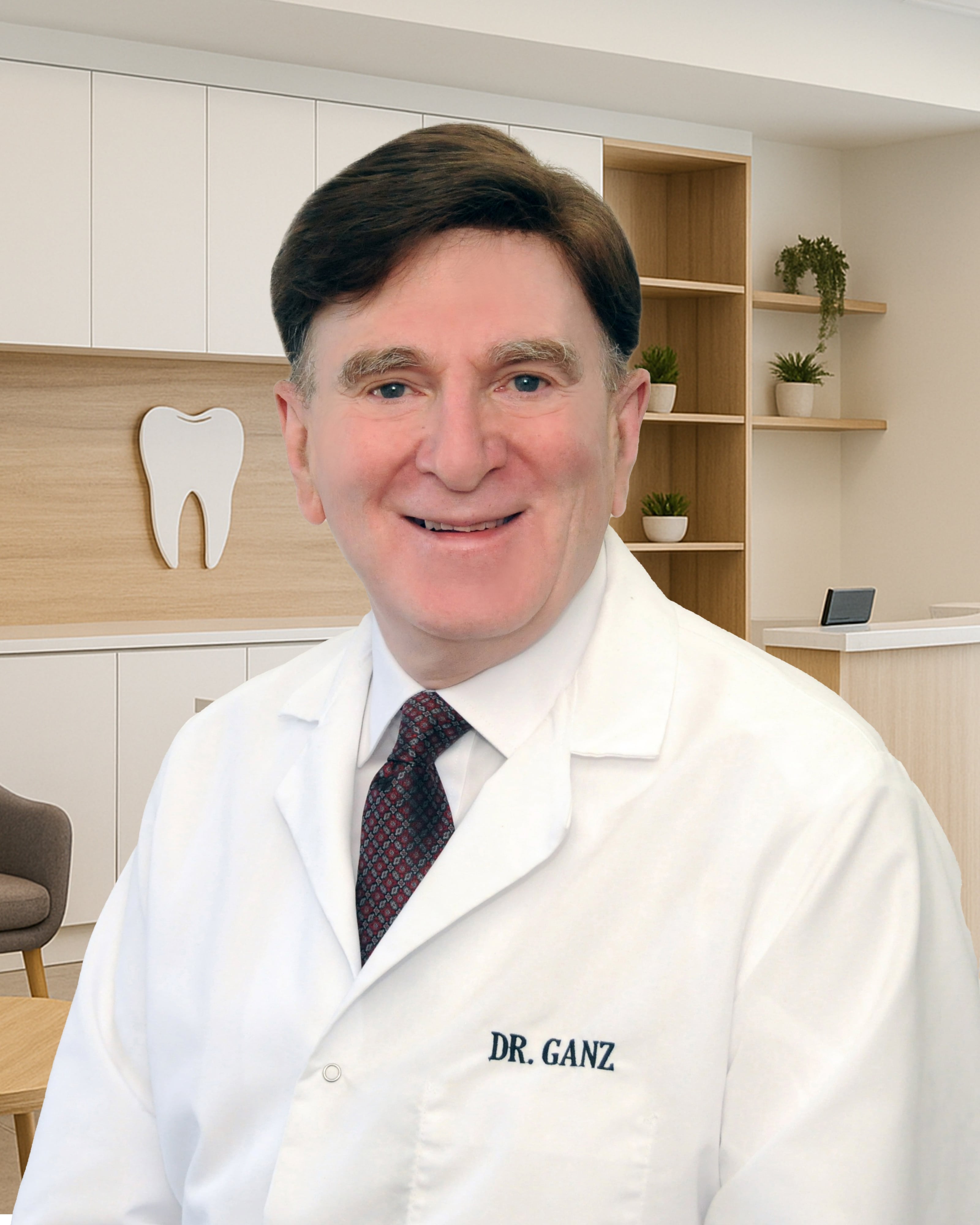
Article by
Cary Ganz DDS
Dr. Cary H. Ganz is a dentist, prosthodontist, entrepreneur, lecturer, and author with more than 50 years of experience in clinical dentistry and dental technology. Throughout his career, he has combined hands-on patient care with a deep understanding of how technology can improve dental practice operations, communication, documentation, and patient outcomes.
In addition to his clinical background, Dr. Ganz has held significant leadership roles in the dental technology industry, including Past Owner and Vice President of Clinical Affairs at DEXIS Digital Radiography and Past Vice President of Clinical Affairs at Denticon Practice Management Software. His business experience includes product development, clinical strategy, dental software innovation, practice management solutions, and educating dental professionals on the effective use of technology in modern dentistry.
Today, Dr. Ganz continues to focus on creating practical technology solutions for dental practices, including PractCom, a comprehensive dental practice communication platform designed to improve patient communication, documentation, compliance support, referrals, and overall practice efficiency. His work reflects a career-long commitment to helping dentists deliver better care while making their practices more organized, efficient, and protected.
No responses yet