
Did you know that artificial intelligence can now detect cavities earlier than the human eye in some cases? Dentistry is evolving faster than ever, combining cutting-edge technology with time-tested care to make your visits more comfortable, accurate, and efficient.
Artificial Intelligence and Digital Diagnostics
AI-powered software is revolutionizing how dentists analyze X-rays and scans. These systems can identify early signs of decay, bone loss, and even oral cancer with remarkable precision. While your dentist remains the decision-maker, AI acts as a second set of eyes, catching details that might otherwise be missed during a routine exam.
Digital imaging has also replaced traditional film X-rays in most modern practices. These systems expose patients to up to 90% less radiation while delivering instant, crystal-clear images that can be enhanced, measured, and shared electronically. The American Dental Association recognizes digital radiography as a safe and effective diagnostic tool that benefits both patients and practitioners.
3D Printing and Same-Day Restorations
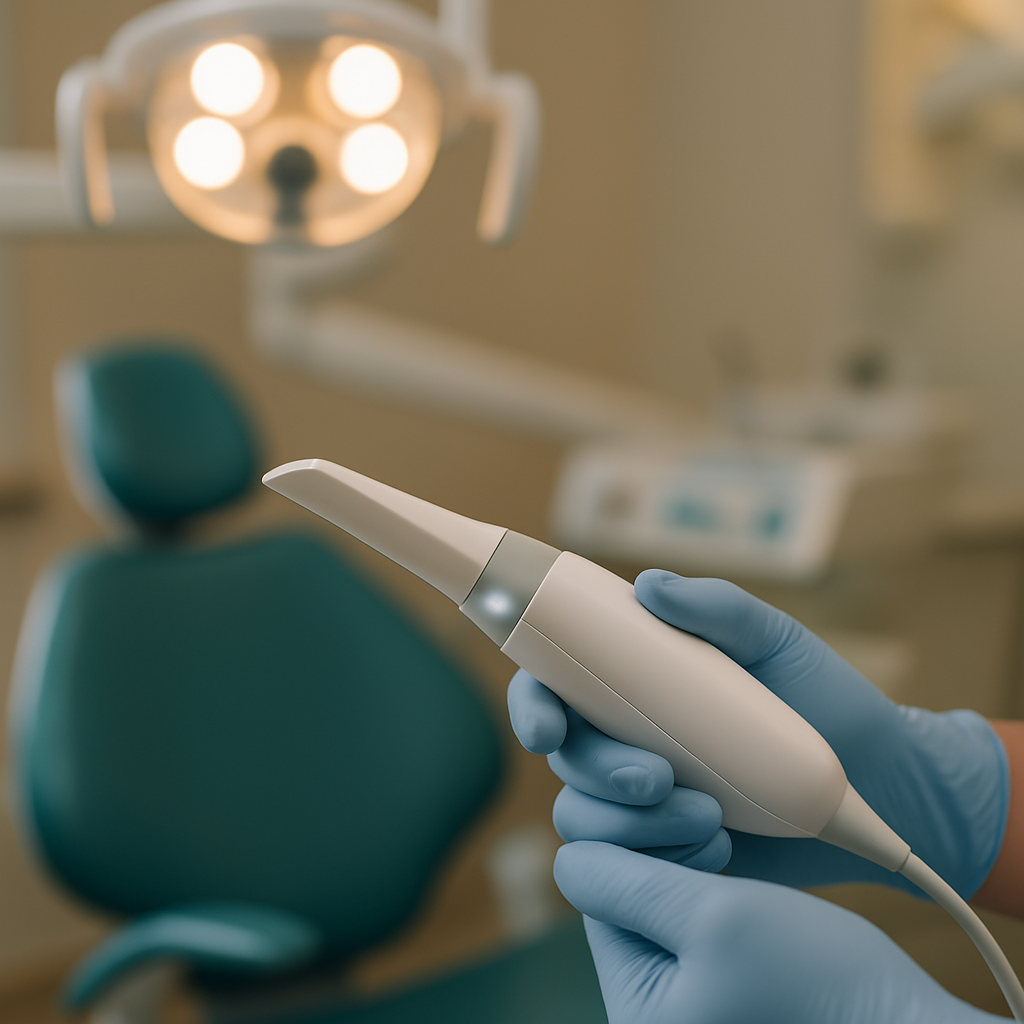
Gone are the days of waiting weeks for a crown while wearing a temporary. Many dental offices now use CAD/CAM (computer-aided design and manufacturing) technology to create permanent crowns, veneers, and bridges in a single appointment. A digital scanner captures a 3D model of your tooth, software designs the restoration, and an in-office milling machine crafts it from a ceramic block—all in about an hour.
3D printing extends beyond restorations. Dentists use it to create surgical guides for implant placement, custom aligners, night guards for teeth grinding, and even models for treatment planning. This technology reduces human error, improves fit and comfort, and often lowers costs.
Laser Dentistry for Gentler Treatment
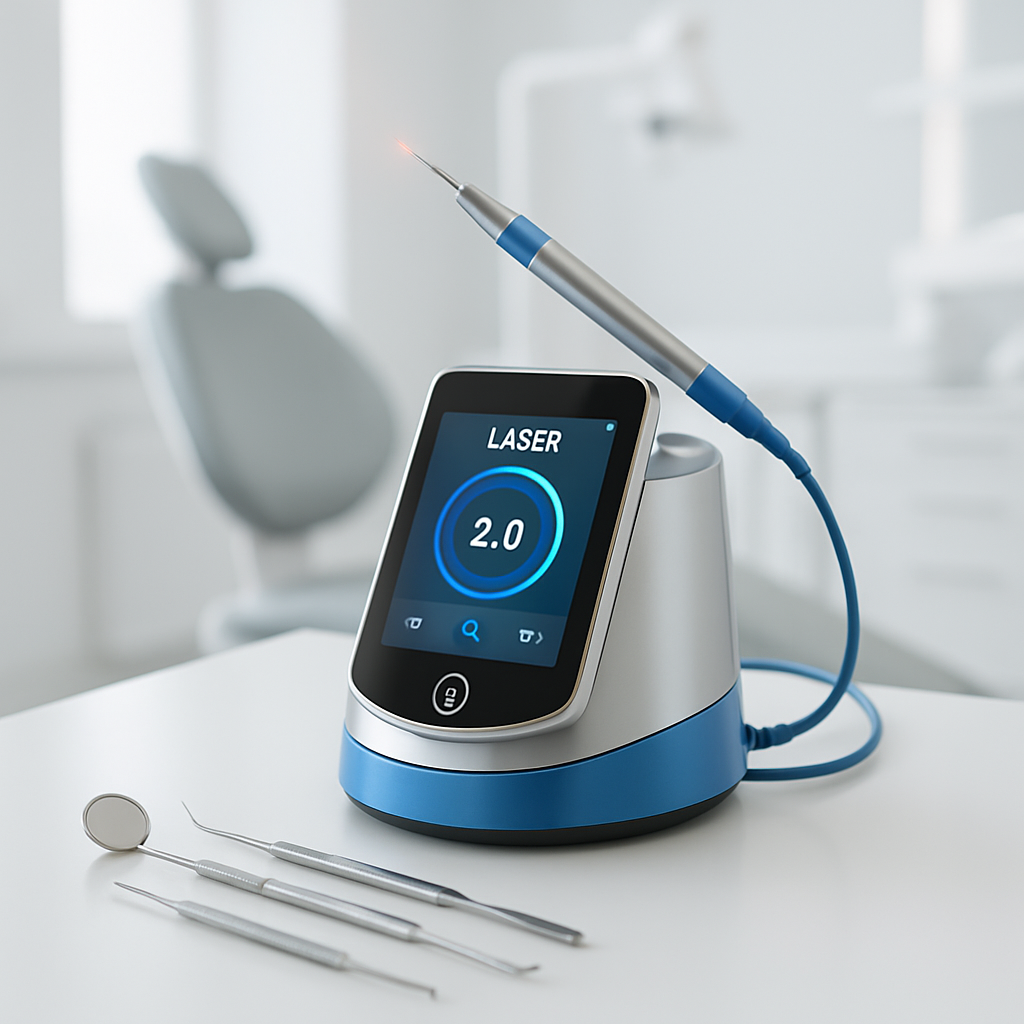
Dental lasers are transforming procedures that once required scalpels and sutures. These focused light beams can:
- Treat gum disease by removing infected tissue with minimal bleeding
- Reshape gum lines for cosmetic improvements
- Remove decay and prepare teeth for fillings
- Perform biopsies during oral cancer screenings
- Reduce discomfort during cold sore treatment
Many laser procedures require little to no anesthesia, heal faster than traditional methods, and cause less post-treatment discomfort. Research supported by the ADA continues to validate laser applications across various dental specialties.
Teledentistry and Remote Consultations
The pandemic accelerated adoption of teledentistry, and it’s here to stay. Virtual consultations allow dentists to assess non-emergency concerns, review symptoms, provide second opinions, and determine whether an in-person visit is necessary. This approach saves time for busy families and offers convenient follow-up care after procedures.
While teledentistry can’t replace hands-on treatment, it expands access to dental advice and triage services. Some practices now use remote monitoring for orthodontic patients, allowing doctors to track tooth movement through photos submitted via smartphone apps.
Advances in Sleep Apnea Treatment
Dentists play an increasingly important role in treating obstructive sleep apnea. Custom oral appliances—designed to gently reposition the jaw and keep airways open during sleep—offer an alternative for patients who can’t tolerate CPAP machines. Modern devices are smaller, more comfortable, and precisely calibrated using digital impressions.
The CDC emphasizes that quality sleep is essential for overall health, and dental professionals can provide effective solutions for mild to moderate sleep apnea after proper diagnosis by a sleep physician.
Enhanced Infection Control and Patient Safety
Modern dental practices have adopted hospital-grade sterilization protocols that go well beyond pre-pandemic standards. Innovations include:
- HEPA filtration systems that remove airborne particles
- UV-C light chambers for instrument sterilization
- Single-use barriers and disposable items where appropriate
- Antimicrobial surfaces in treatment rooms
- Advanced suction systems that minimize aerosols during procedures
These measures, combined with digital check-ins and contactless payment options, create safer environments while maintaining the personal connection patients expect from their dental team.
From AI-assisted diagnostics to same-day crowns and laser therapy, modern dentistry offers more precision, comfort, and convenience than ever before. Whether you’re due for a routine cleaning, concerned about sleep apnea, or interested in the latest treatment options, today’s dental technology makes quality care more accessible. Ready to experience the difference? Contact Practcom Marketing Suite to schedule your next appointment and discover how advanced dentistry can benefit your oral health.
Comments are closed