
Did you know that artificial intelligence can now detect cavities earlier than the human eye in some cases? Dentistry is evolving faster than ever, bringing patients more comfortable, precise, and effective care right in their neighborhood practices.
Let’s explore the exciting innovations reshaping how dental professionals care for your smile and overall health.
Artificial Intelligence and Digital Diagnostics
AI-powered imaging systems are revolutionizing how dentists identify potential problems. These smart tools analyze X-rays and scans to flag early signs of decay, bone loss, and other conditions that might be missed during traditional review. The technology doesn’t replace your dentist’s expertise—it enhances it, acting as a second set of highly trained digital eyes.
Digital impressions have also replaced those uncomfortable trays of gooey material for many procedures. Using an intraoral scanner, your dentist can create a precise 3D model of your teeth in minutes, making crowns, bridges, and aligners fit better than ever before.
Laser Dentistry for Gentler Treatment

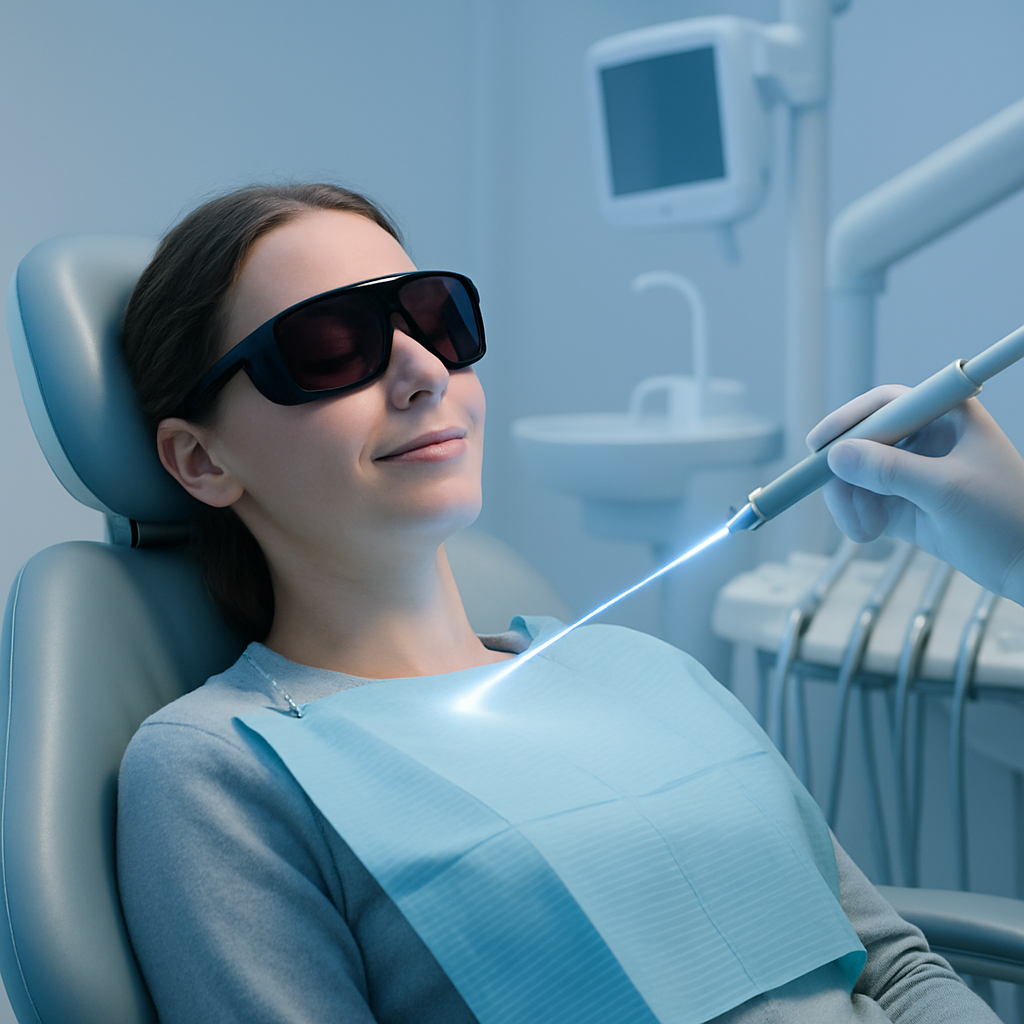
Laser technology has moved from science fiction to everyday dental practice. Dentists now use lasers for:
- Treating gum disease with less bleeding and faster healing
- Preparing teeth for fillings, often without anesthesia
- Removing overgrown tissue or reshaping gums
- Whitening teeth more effectively
- Detecting cavities in their earliest stages
Many patients report feeling less anxiety about procedures performed with lasers, as they’re typically quieter, more precise, and involve less post-treatment discomfort than traditional methods. According to the American Dental Association, laser treatments continue to expand in scope and effectiveness as the technology matures.
Sleep Apnea Treatment in the Dental Chair
One of the most significant shifts in dentistry is the profession’s expanding role in treating sleep apnea. Dentists trained in dental sleep medicine can now provide custom oral appliances that keep airways open during sleep—a game-changer for patients who can’t tolerate CPAP machines.
These appliances look similar to sports mouthguards but are precisely calibrated to reposition the jaw and tongue, preventing airway collapse. They’re portable, quiet, and for many patients with mild to moderate obstructive sleep apnea, they’re just as effective as traditional treatments. The CDC recognizes the importance of treating sleep disorders for overall health, and dental professionals are now key players in this effort.
Biomimetic Dentistry: Mimicking Nature
Biomimetic dentistry focuses on preserving as much natural tooth structure as possible and using materials that behave like real enamel and dentin. Rather than simply drilling and filling, dentists practicing this approach remove only diseased portions of teeth and bond restorations that flex and function like your original tooth.
This conservative philosophy means teeth last longer, require fewer retreatments, and maintain more of their natural strength. Advanced bonding agents and tooth-colored materials now bond so effectively that they actually reinforce weakened teeth rather than just filling holes.
Teledentistry and Enhanced Access to Care
Virtual consultations have become a valuable tool in modern dental practice. While you can’t get your teeth cleaned over Zoom, teledentistry allows dentists to:
- Conduct initial consultations and answer questions
- Review symptoms and determine urgency
- Follow up after procedures
- Provide guidance for minor issues that don’t require immediate in-office visits
- Increase access for patients with mobility challenges or busy schedules
This technology proved essential during recent years and has become a permanent fixture in patient care, making dental advice more accessible when you need it most.
Advanced Oral Cancer Screening Technology
Early detection saves lives, and new screening technologies help dentists identify suspicious tissue changes long before they’re visible to the naked eye. Devices using special light wavelengths can reveal abnormal cells during routine exams, allowing for earlier intervention when treatment outcomes are most favorable.
According to the National Cancer Institute, regular oral cancer screenings are an important part of comprehensive dental care, especially for patients with risk factors like tobacco use or HPV exposure.
Modern dentistry combines cutting-edge technology with personalized care to give you healthier outcomes with greater comfort. Whether you’re due for a cleaning, concerned about sleep apnea, or simply want to experience what today’s dental care feels like, the team at Practcom Marketing Suite stays current with these innovations to serve patients better. Give us a call to schedule your next appointment and experience the difference modern dentistry makes.
Comments are closed