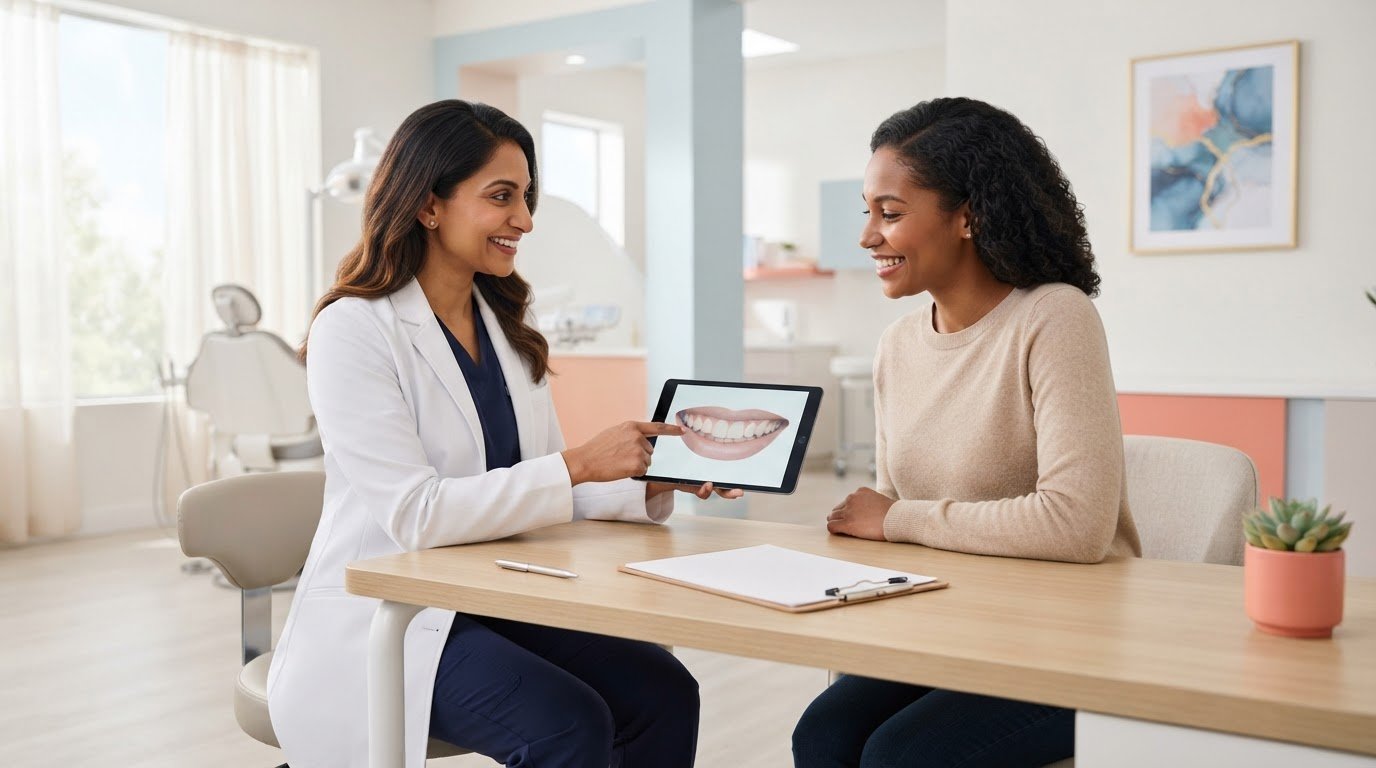
What if the most important part of a cosmetic treatment plan is explaining what it cannot promise? Patients may arrive with expectations shaped by edited online images, while treatment options involve limits and trade-offs that take time to discuss. That’s why managing patient expectations in cosmetic dentistry starts with a clear, individualized conversation before treatment begins.
Patients deserve to understand their options, likely benefits, limitations, and next steps before making a decision. This guide offers a practical process for those discussions, from exploring a patient’s goals to explaining alternatives and documenting informed consent.
You’ll also learn how smile design visualizations can help patients discuss cosmetic preferences without suggesting an exact result, and how organized post-treatment instructions and follow-ups can reinforce the conversation. Communication tools can help your team share visual aids, document consent, and follow up consistently. They support, but don’t replace, clinical judgment or the clinician-patient relationship. The aim is to help patients make informed decisions and give your team a reliable process from consultation through follow-up.
Key Takeaways
- Managing patient expectations in cosmetic dentistry starts by translating a patient’s goals into an individualized discussion of what treatment may and may not achieve.
- Use a consistent consultation sequence: listen, clarify priorities, explain options and trade-offs, check understanding, and document the discussion.
- Choose visual aids for the conversation they support. Make clear that smile design images help explore preferences rather than predict an exact result.
- If a patient is disappointed, acknowledge the concern first, then clarify the gap between their expectations and their current experience.
- Use consent forms, post-treatment instructions, and follow-ups to organize communication across the patient journey without replacing clinical judgment.
Why managing patient expectations in cosmetic dentistry starts before treatment
Patients often begin with a picture of the smile they want. The clinical conversation starts by exploring what that picture represents, then comparing the patient’s goals with individualized possibilities and limitations. Practices dedicated to patient-centered care, such as 7 Pearls Dental, emphasize clear, upfront communication to bridge the gap between patient desires and clinical reality. Expectation management means clarifying what a patient hopes to change, explaining what treatment may realistically address, and agreeing on how to assess the result without promising a particular outcome. Start before selecting treatment, while there’s still time to discuss alternatives, refine goals, or pause.
Aesthetic hopes, functional concerns, and a patient’s definition of success can overlap, but they aren’t interchangeable. Someone may want a brighter shade, feel self-conscious about how a tooth looks in photographs, or hope to address a functional issue. Ask about these concerns separately. A general Cosmetic Dentistry Overview can introduce the range of procedures, but it can’t determine which options suit an individual patient. That takes a clinical assessment and a discussion of the patient’s priorities.
Inspiration images are conversation starters, not treatment specifications. Lighting, camera angles, image editing, and differences in individual teeth all affect what a photo shows. A reference image may reveal a preference for a softer shape or brighter appearance, but it doesn’t establish that the same result is clinically achievable for that patient. Managing patient expectations in cosmetic dentistry means translating a preference into questions the clinician can assess, not treating a photo as a forecast.
What patients may mean when they ask for a perfect smile
“Perfect” means different things to different people. Invite the patient to point out the features they’d like to change, then ask which concern matters most and how they’ll judge whether the result meets their goals. Is success a change in shade, a more even appearance, or feeling comfortable smiling? Clarify the request before discussing treatment. A specific preference is useful information, but it doesn’t show that treatment can deliver that exact change.
How to identify expectation gaps early
Listen for requests to look exactly like another person or an edited image, or expectations for a precise shade, shape, or degree of change. These aren’t reasons to dismiss the patient. They’re cues to explore what’s behind the request. Ask what they like in the example and explain which aspects may be relevant to their own goals. Record unanswered questions and return to them before discussing consent.
A simple consultation note can distinguish the patient’s stated priorities from the clinician’s assessment and outstanding questions. Record the requested change, what the reference image means to the patient, and what needs further discussion. This gives the team a consistent point to revisit. Don’t assume that agreement on a general goal means agreement on a specific outcome. Confirm that the patient understands the difference before treatment planning continues.
How to guide a cosmetic dentistry expectations conversation
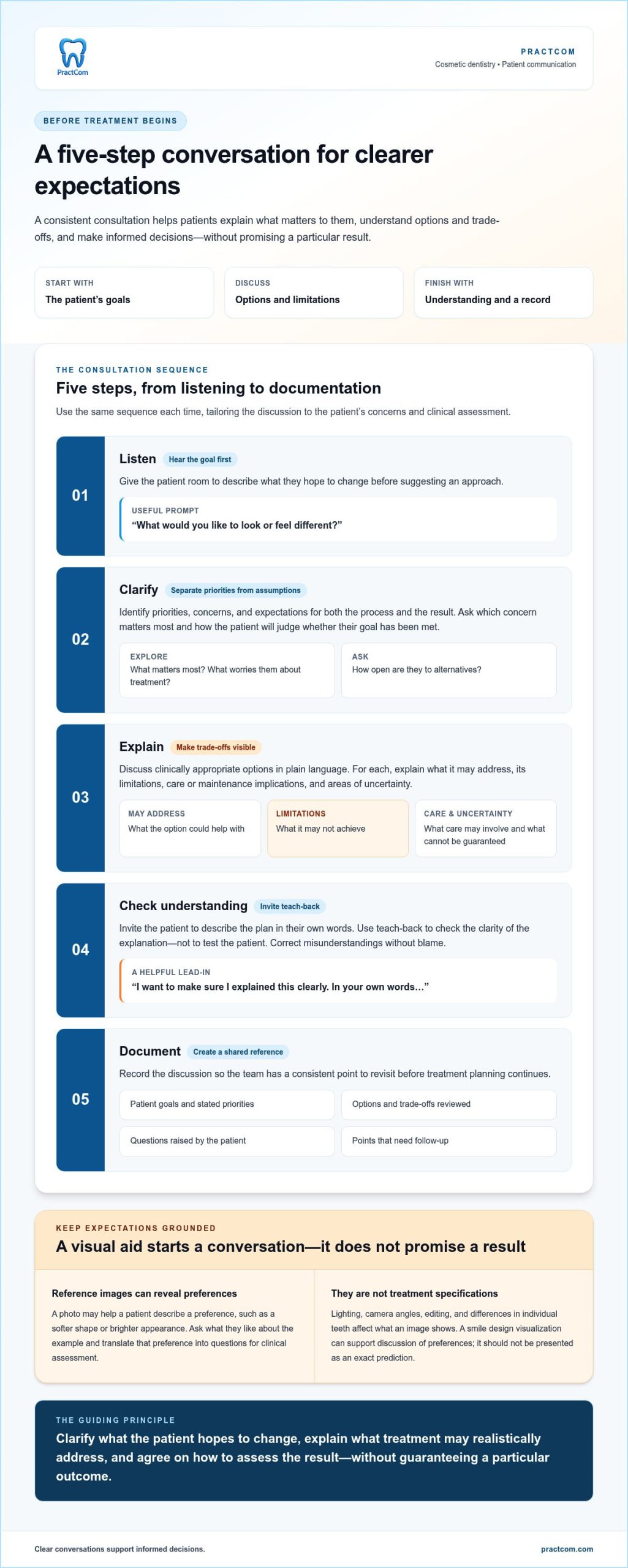
A repeatable consultation structure helps patients feel heard and gives your team a clear record of what was discussed. Use the same sequence for each conversation, tailoring the detail to the patient’s concerns:
- Listen: Give the patient room to describe what they hope to change before suggesting an approach.
- Clarify: Identify their priorities, concerns, and expectations for both the process and the result.
- Explain: Discuss clinically appropriate options, trade-offs, care implications, and areas of uncertainty in plain language.
- Check understanding: Invite the patient to describe the plan in their own words. Correct misunderstandings without blame.
- Document: Record the goals discussed, options reviewed, questions raised, and points that need follow-up.
This sequence keeps the consultation collaborative rather than turning it into a quick procedure recommendation. It also gives each team member a consistent framework. A useful Practical Guide to Managing Patient Expectations can complement this approach, but each conversation still needs to reflect the individual patient’s goals and clinical assessment.
Questions that clarify a patient’s goals
Ask open, neutral questions: “What would you like to look or feel different?” “Which concern matters most to you?” “What worries you about treatment?” and “How long do you expect the change to meet your needs?” Then ask how open the patient is to alternatives. Avoid starting with a specific procedure. First understand the concern they hope to address. Their answers help distinguish a priority from an assumption about what treatment can achieve.
How to explain options, trade-offs, and uncertainty
Present appropriate options in terms the patient can compare: what each may address, its limitations, and what care or maintenance it may involve. Explain uncertainty directly. Individual responses and outcomes can vary, so describe what can be discussed or planned without guaranteeing a result.
Use teach-back to check your explanation, not to test the patient. Try: “I want to make sure I explained this clearly. In your own words, what do you understand about the options and their limitations?” If the patient’s summary reveals confusion, clarify the specific point and ask again. This supports shared understanding and trust, both central to a positive dental patient experience. Document open questions and return to them before consent.
To make patient communication more consistent, explore PractCom’s communication tools as support for the conversation and its documentation, not as a substitute for clinician judgment.
How visual aids and consent support realistic cosmetic dentistry expectations
Different communication tools answer different questions. Words explain clinical reasoning, images make preferences easier to discuss, and consent records the treatment-specific conversation. None replaces the clinician’s judgment or the patient’s opportunity to ask questions. Used together, these tools can make the plan easier to understand and reduce the chance that a visual example is mistaken for a promised result.
Choose the aid to fit the task:
- Verbal explanation: Use it to describe the proposed approach, alternatives, limitations, and uncertainties. Pause for questions, since a quick explanation can leave important details unclear.
- Clinical photography: Use it to review the patient’s teeth and discuss visible features. A photograph documents appearance from a particular angle and under particular conditions; it doesn’t show how treatment will turn out.
- Illustrative examples: Use them to clarify general concepts or aesthetic preferences. Label them as examples and explain how the person shown differs from the patient’s individual findings.
- Digital smile design: Use it to explore possible cosmetic changes and discuss preferences. It’s a visualization for conversation, not a precise prediction or promise of the final appearance.
Using photographs and smile design responsibly
Be clear about the purpose of each visual. A clinical photograph helps focus attention on the patient’s current features; an illustrative image may help describe a preferred look; a digital design can make proposed changes easier to discuss. Invite the patient to say what they notice and what matters to them. Then explain what the visual represents, what it leaves out, and why it shouldn’t be read as a guarantee.
For example, if a patient points to a brighter shade in a design, clarify whether the image is meant to explore shade preference or show a confirmed treatment outcome. Ask what else they’re responding to, such as shape or overall balance. This keeps the tool useful while leaving clinical assessment and recommendations with the clinician.
Making consent understandable and specific
Consent documentation should reflect the plan discussed with this patient, not serve as a generic formality. Connect the selected option to relevant alternatives, limitations, and the patient’s questions. Give the patient time to review the information and raise concerns before proceeding. If the plan changes, revisit the conversation and update documentation according to the practice’s established clinical and record-keeping processes.
A form supports a conversation; it can’t replace one. Digital informed consent forms can help organize the written record, but patients still need a clear explanation in language they understand. For the team, a consistent process makes it easier to capture what was discussed and identify questions that need follow-up. This structure is central to managing patient expectations in cosmetic dentistry: visual aids support shared discussion, while the clinician and patient consider the options together.
When expectations change or treatment results disappoint
A patient who raises a concern after cosmetic treatment needs to feel heard before the team discusses explanations or next steps. Respond calmly and avoid becoming defensive, even if the outcome appears consistent with the plan. Acknowledge the patient’s experience, then clarify what they expected and what they’re noticing now. For example: “I hear that you expected the shade to look different. Can you tell me what you’re seeing and what you hoped for?” This opens a conversation without reaching a premature conclusion about the cause or outcome.
Keep communication separate from clinical assessment. Team members can listen, record the concern, explain the follow-up process, and help arrange an appropriate clinical review. The clinician can assess the patient and discuss any diagnosis or treatment recommendations. Don’t draw conclusions from a message or minimize the concern with phrases like “that’s normal” before it’s been reviewed. Clear next steps help the patient know what to expect while the clinical question is considered.
Responding to concerns after cosmetic treatment
Listen without interrupting, then reflect the concern in neutral language: “You’re noticing that the shape looks different from what you expected.” Ask what specifically feels different, when they noticed it, and what they understood would happen. Avoid arguing over what was discussed. Arrange an appropriate clinical review, explain who will follow up and how, and acknowledge that the concern matters even before its cause is clear.
After the review, communicate the next step in plain language and check that the patient understands it. If the clinical recommendation needs further discussion, say so rather than implying that a particular remedy is certain. Managing patient expectations in cosmetic dentistry continues after the procedure: a dependable response process helps the patient feel supported without substituting administrative reassurance for clinical judgment.
Use a concise record to keep the response organized:
- Patient’s concern: Record the patient’s words or a neutral summary of the specific difference they’ve described.
- Discussion: Note relevant context, questions asked, and information shared, without assuming the cause.
- Agreed next steps: Record the planned clinical review, responsible team member, and any instructions provided.
- Follow-up communication: Note what was communicated and any further contact or review to be arranged according to practice processes.
Preventing repeat misunderstandings across the team
Consistency matters when different team members handle instructions and follow-up. Use shared, plain-language explanations for treatment limitations, maintenance, and what patients should expect next. Make relevant patient-facing instructions accessible in a format the patient can refer to after leaving. PractCom’s post-treatment instruction library includes over 80 templates to support consistent written communication, while the clinical team remains responsible for individualized guidance.
Recurring questions can reveal where explanations or materials need improvement. Review them as a team: Are patients interpreting a phrase differently than intended? Do instructions leave a common concern unanswered? Adjust the communication process, then make sure team members use the updated language. This creates continuity rather than leaving each person to rely on memory or improvise.
Use PractCom’s patient communication tools to support organized instructions and follow-up across the patient journey.
How PractCom can support expectation-setting across the patient journey
Clear expectations rely on more than a strong consultation. Patients also need a useful way to discuss cosmetic preferences, review treatment information, and refer back to guidance afterward. PractCom brings communication and documentation tools together to support that process. These tools help teams organize and share information, while clinical judgment and direct conversation remain central to each patient’s care.
Supporting visual discussion and informed consent
PractCom’s smile design tool shows before-and-after cosmetic changes, giving patients and clinicians a visual aid for discussing preferences. A patient can point to features they like, such as a change in shape or overall appearance, and the clinician can explain how those preferences relate to the patient’s situation. The visualization supports exploration, not prediction. It shouldn’t be presented as a promise or an exact preview of the final clinical result.
Digital informed consent forms support organized, patient-facing documentation of the treatment discussion. They work best alongside a clinician’s explanation of the selected plan, relevant alternatives, limitations, and the patient’s questions. A form records information; it can’t establish understanding on its own or replace time for conversation. Practices can learn more about PractCom’s patient communication approach and how its communication and documentation tools fit together.
Maintaining communication after the consultation
Expectation-setting continues after the patient leaves the practice. Clear post-treatment instructions give patients a reference for care and next steps, rather than requiring them to rely on memory alone. PractCom’s post-treatment instruction library includes over 80 templates. Teams can use these resources to support consistent communication while tailoring guidance to the patient and the clinician’s instructions.
Patient-facing documents can be delivered by email or text, or printed for patients who prefer a physical copy. Documents are available in 15 languages, supporting different language needs. These options help practices provide information patients can revisit, while the clinical team remains responsible for explaining individualized care.
Across the journey, PractCom can support a practical communication sequence:
- Before treatment: Use smile design to guide discussion of cosmetic preferences, then support the conversation with digital informed consent forms.
- After treatment: Share relevant written instructions in a suitable format and language to reinforce the clinician’s guidance.
- Across the team: Keep communication tools organized so staff can provide consistent patient-facing information without replacing clinical judgment.
For practices looking to bring visual discussion, consent, and post-treatment communication into a more consistent workflow, explore the PractCom platform.
Make expectation-setting a consistent part of care
Strong patient communication isn’t a single conversation or form. It’s a practice your team can build into each stage of care: understand the patient’s priorities, make decisions together, and keep communication clear as the plan moves forward. That consistency helps patients know what has been discussed and gives your team a dependable foundation for follow-up.
Managing patient expectations in cosmetic dentistry also means staying open to new questions. A patient’s understanding or priorities may shift, so make room to revisit the conversation instead of relying on assumptions. Use tools to support clear documentation and communication, while keeping clinical judgment and personal discussion at the center.
To make that process easier to organize across your practice, explore a more consistent patient communication workflow.
Small, repeatable improvements can make each conversation more useful. For patient-centered clinics like Dental Plus, prioritizing open communication across the entire team helps create a patient experience grounded in clarity, care, and shared understanding.
Frequently Asked Questions
How do you set realistic expectations for cosmetic dentistry?
Start by asking what the patient wants to change and what would count as success. The treating clinician then considers individual oral health and other relevant clinical factors before discussing appropriate options and limitations. Use a photo or design to clarify preferences, then ask the patient to explain their understanding. Neither a conversation nor an image can guarantee an exact result; decisions should be individualized with the clinician.
Can a digital smile design guarantee what my cosmetic dental results will look like?
No. A digital smile design is a visual aid for discussing preferences and possible changes, not a guarantee of the final clinical result. For example, a preview may help you compare general tooth-shape preferences, while your actual treatment plan depends on your individual circumstances and the clinician’s assessment. Ask the treating dentist which aspects the image illustrates, which details are provisional, and how the proposed plan may differ from the visualization.
What should a dentist do when a patient expects a result that treatment may not achieve?
If a requested result may not be achievable, the dentist should first listen and ask the patient to describe the outcome they have in mind. Explain the relevant clinical limits in plain language, then discuss appropriate alternatives and their trade-offs without steering or pressuring the patient to proceed. If the patient still expects something different from what treatment may achieve, pause the decision and continue the clinical discussion before scheduling or beginning treatment.
How can dentists check whether a patient understands cosmetic treatment options?
Ask the patient to explain, in their own words, what the proposed treatment is intended to change, what it may not change, and what follow-up involves. Teach-back helps reveal where the explanation needs work; it isn’t a test of the patient’s ability. If they believe, for instance, that treatment will also resolve an unrelated concern, clarify that point, invite questions, restate the information, and document the discussion according to the practice’s process.
Should dentists use before-and-after photos during cosmetic consultations?
Relevant before-and-after photos can help patients describe aesthetic preferences and understand examples, provided the images are presented with context. Explain whether each image is illustrative or shows an individual clinical case, and point out that another person’s starting features and treatment circumstances may differ. Ask what the patient wants to take from the example. Use their response to guide discussion, not to suggest they should expect an identical appearance.
What information should patients receive after cosmetic dental treatment?
Give patients post-treatment information that reflects the procedure performed and the treating clinician’s directions. Depending on the care, it may explain specific home-care steps, expected changes, signs that warrant professional guidance, and how follow-up will be handled. For example, give patients instructions relevant to their own treatment rather than a generic sheet for a different procedure. The dental team should clarify uncertainty and tailor the information to the individual.
Article by
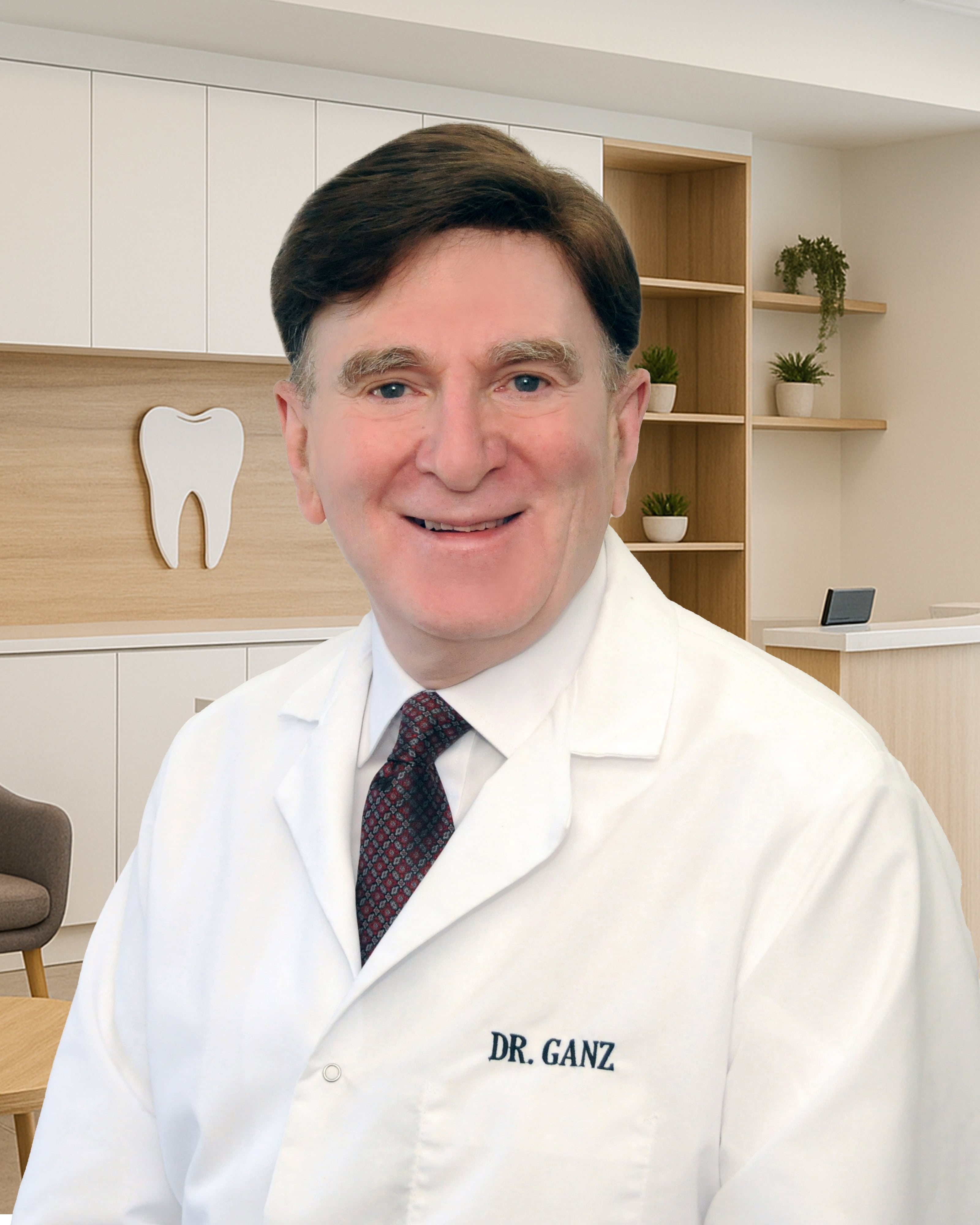
Cary Ganz DDS
Dr. Cary H. Ganz is a dentist, prosthodontist, entrepreneur, lecturer, and author with more than 50 years of experience in clinical dentistry and dental technology. Throughout his career, he has combined hands-on patient care with a deep understanding of how technology can improve dental practice operations, communication, documentation, and patient outcomes.
In addition to his clinical background, Dr. Ganz has held significant leadership roles in the dental technology industry, including Past Owner and Vice President of Clinical Affairs at DEXIS Digital Radiography and Past Vice President of Clinical Affairs at Denticon Practice Management Software. His business experience includes product development, clinical strategy, dental software innovation, practice management solutions, and educating dental professionals on the effective use of technology in modern dentistry.
Today, Dr. Ganz continues to focus on creating practical technology solutions for dental practices, including PractCom, a comprehensive dental practice communication platform designed to improve patient communication, documentation, compliance support, referrals, and overall practice efficiency. His work reflects a career-long commitment to helping dentists deliver better care while making their practices more organized, efficient, and protected.
No responses yet